Embark on a journey to discover the world of eco-friendly flooring options, from bamboo to cork, and how they can transform your living space into a sustainable oasis.
Learn about the benefits of non-toxic materials and tips for selecting the perfect eco-friendly flooring for every room in your house.
Eco-friendly Flooring Options
When it comes to choosing flooring materials that are environmentally friendly, there are several options to consider. Bamboo, cork, and reclaimed wood are popular choices known for their sustainability and eco-friendliness.
Sustainability of Bamboo, Cork, and Reclaimed Wood Flooring
1. Bamboo: Bamboo is a fast-growing grass that can be harvested sustainably. It is renewable, biodegradable, and has a low environmental impact compared to traditional hardwoods.
2. Cork: Cork flooring is made from the bark of cork oak trees, which can be harvested without harming the tree. It is a renewable resource that is also biodegradable and hypoallergenic.
3. Reclaimed Wood: Reclaimed wood flooring is sourced from old buildings, barns, or other structures, giving new life to wood that would otherwise go to waste. It reduces the demand for new timber and helps prevent deforestation.
Benefits of Non-Toxic and VOC-Free Flooring
- Non-toxic flooring options are free from harmful chemicals that can off-gas and pollute indoor air quality.
- VOC-free flooring reduces the risk of health issues such as respiratory problems, allergies, and headaches.
- Choosing non-toxic and VOC-free flooring promotes a healthier living environment for you and your family.
Tips for Choosing Environmentally Friendly Flooring
When selecting eco-friendly flooring for different rooms in your house, consider the following tips:
- Assess the durability and maintenance requirements of the flooring material.
- Look for certifications such as FSC (Forest Stewardship Council) for sustainable wood products.
- Opt for natural or recycled materials to minimize environmental impact.
- Consider the overall lifecycle of the flooring, from production to disposal.
Home Inspections
Regular home inspections are crucial for maintaining the safety, functionality, and value of your property. By identifying potential issues early on, you can prevent costly repairs and ensure the longevity of your home.
Key Areas to Inspect During a Home Inspection
During a home inspection, it is essential to pay close attention to the following key areas:
- Foundation: Check for cracks, water damage, or structural issues.
- Roof: Inspect for leaks, missing shingles, or signs of wear and tear.
- Plumbing: Look for leaks, water pressure problems, or corrosion.
- Electrical: Check for faulty wiring, outdated systems, or potential fire hazards.
- HVAC: Ensure proper functioning, cleanliness, and maintenance of heating and cooling systems.
Impact of Flooring Condition on Home Inspection
The condition of the flooring in a home can significantly impact the overall evaluation of a home inspection. Damaged or worn-out flooring can indicate underlying issues such as water damage, mold, or structural problems. It can also affect the aesthetic appeal and market value of the property.
Spotting Potential Flooring Issues During a Home Inspection
When inspecting the flooring of a home, be on the lookout for the following potential issues:
- Cracks, warping, or buckling in hardwood or laminate floors.
- Stains, mold, or mildew in carpets or rugs.
- Sagging or uneven areas in tile or vinyl flooring.
- Squeaking or creaking noises when walking on certain areas.
Kitchen Improvements
When it comes to eco-friendly kitchen flooring options, there are several sustainable materials to choose from that not only benefit the environment but also enhance the overall look and feel of your kitchen. These options are not only stylish but also durable, making them perfect for high-traffic areas like the kitchen.
Eco-Friendly Kitchen Flooring Options
- Bamboo: Bamboo flooring is a popular choice for eco-conscious homeowners due to its sustainability and durability. It is a renewable resource that grows quickly, making it an eco-friendly alternative to traditional hardwood floors.
- Cork: Cork flooring is another sustainable option that is resistant to mold, mildew, and moisture, making it ideal for kitchens. It is soft underfoot, providing comfort while standing for long periods during meal preparation.
- Linoleum: Made from natural materials like linseed oil, cork dust, and wood flour, linoleum is a biodegradable and durable flooring option for kitchens. It comes in a variety of colors and patterns to suit any kitchen decor.
- Recycled Glass Tiles: These tiles are made from recycled glass bottles and jars, making them an eco-friendly choice for kitchen flooring. They are durable, easy to clean, and add a unique touch to your kitchen design.
Durability of Eco-Friendly Flooring in Kitchens
- Bamboo: Bamboo flooring is known for its durability and resistance to moisture, making it a suitable choice for kitchens. However, it can be prone to scratches and dents over time, so it is important to maintain it properly.
- Cork: Cork flooring is durable and can withstand heavy foot traffic in the kitchen. It is naturally resistant to mold and mildew, making it a long-lasting option for eco-conscious homeowners.
- Linoleum: Linoleum is a durable flooring material that can last for decades with proper care. It is resistant to stains, scratches, and moisture, making it a practical choice for kitchen floors.
- Recycled Glass Tiles: While glass tiles are durable and resistant to stains, they may be prone to chipping or cracking if heavy objects are dropped on them. Proper installation and maintenance can help prolong their lifespan.
Enhancing Kitchen Sustainability with Eco-Friendly Flooring
Integrating eco-friendly flooring options in your kitchen not only reduces your environmental impact but also promotes a healthier indoor air quality. By choosing sustainable materials, you contribute to the overall sustainability of your home and create a more eco-conscious living space.
Tips for Integrating Eco-Friendly Flooring with Other Kitchen Improvements
- Consider the overall design and color scheme of your kitchen when choosing eco-friendly flooring to ensure it complements other elements.
- Pair eco-friendly flooring with energy-efficient appliances and LED lighting to create a more sustainable kitchen environment.
- Use area rugs or mats in high-traffic areas to protect your eco-friendly flooring and add a touch of warmth and comfort to the space.
- Regularly clean and maintain your eco-friendly flooring to prolong its lifespan and preserve its natural beauty.
Home Improvement and Furniture
When considering eco-friendly flooring options, it is essential to also think about how these choices can complement sustainable furniture in your home. The cohesive design between flooring and furniture can create a harmonious and environmentally conscious living space.
Complementing Eco-Friendly Flooring with Furniture
Choosing eco-friendly flooring materials such as bamboo, cork, or reclaimed wood can be paired with furniture made from sustainable materials like recycled metal, reclaimed wood, or bamboo. This combination not only contributes to a green home but also adds a unique aesthetic appeal.
Repurposing Furniture to Align with Eco-Friendly Flooring
Get creative with repurposing furniture to align with your eco-friendly flooring choices. For example, old wooden furniture can be refinished or painted to match the new flooring color scheme. This not only reduces waste but also gives a fresh look to your interior design.
Influencing Furniture Placement and Design with Different Flooring Types
- Hardwood Flooring: Classic hardwood floors can complement both modern and traditional furniture styles. They provide a warm and inviting feel to any room.
- Bamboo Flooring: Bamboo flooring pairs well with minimalist and contemporary furniture. Its light color and durability make it a popular choice for modern spaces.
- Cork Flooring: Cork flooring is soft underfoot and works well with eclectic or bohemian furniture styles. It adds a cozy and comfortable vibe to the room.
Flooring
When it comes to eco-friendly flooring options, there are several materials available in the market that are sustainable and environmentally friendly. These materials offer a great alternative to traditional flooring options, reducing the impact on the environment while still providing durability and style.
Types of Eco-Friendly Flooring Materials
- Bamboo: A fast-growing renewable resource that is durable and stylish.
- Cork: Harvested from the bark of cork oak trees without harming them, providing a comfortable and resilient flooring option.
- Recycled Glass Tiles: Made from recycled glass, these tiles are not only eco-friendly but also add a unique touch to any space.
- Linoleum: Made from natural materials like linseed oil, cork dust, and wood flour, linoleum is biodegradable and long-lasting.
Step-by-Step Guide to Install Eco-Friendly Flooring
- Prepare the subfloor by ensuring it is clean, dry, and level.
- Acclimate the flooring material to the room’s temperature and humidity for at least 48 hours.
- Start laying the flooring from one corner of the room, following the manufacturer’s instructions for installation.
- Use appropriate tools and techniques to cut and fit the flooring around obstacles like doorways and corners.
- Finish the installation by adding trim and transitions to complete the look.
Maintenance and Longevity of Eco-Friendly Flooring
Eco-friendly flooring options are generally easy to maintain with regular sweeping and mopping. The longevity of these materials depends on the quality of installation and maintenance, but they are known to last for many years if properly cared for.
Real-Life Examples of Homes with Stunning Eco-Friendly Flooring Designs
Many homeowners are opting for eco-friendly flooring options to add a touch of sustainability to their homes. From bamboo floors in modern living rooms to cork tiles in stylish kitchens, there are endless possibilities for creating stunning designs with eco-friendly materials.
Furniture
When it comes to designing a space with eco-friendly flooring, furniture plays a crucial role in enhancing the overall sustainability and aesthetic appeal. The right furniture can complement the flooring choice, creating a harmonious and environmentally conscious living environment.
Impact of Eco-Friendly Flooring on Furniture Selection
- Choose furniture made from sustainable materials such as bamboo, reclaimed wood, or recycled materials to align with eco-friendly flooring options.
- Opt for furniture with low VOC finishes to maintain indoor air quality and reduce environmental impact.
- Select furniture pieces that are durable and long-lasting to minimize waste and promote sustainability in the long run.
Complementing Furniture Materials with Eco-Friendly Flooring
- Pair hardwood flooring with wooden furniture to create a cohesive look that highlights the natural beauty of both materials.
- Mix and match furniture pieces with different textures and colors to add depth and visual interest to the space while maintaining an eco-friendly approach.
- Consider using furniture with metal accents or glass elements to create a modern and sustainable design that complements eco-friendly flooring choices.
Choosing Sustainable Furniture for Eco-Friendly Flooring
- Look for furniture certifications such as FSC (Forest Stewardship Council) to ensure that the wood used is sourced from responsibly managed forests.
- Explore vintage or second-hand furniture options to reduce waste and give new life to pre-loved pieces, contributing to a more sustainable interior design.
- Consider modular or multifunctional furniture designs that offer versatility and adaptability, promoting a minimalist and eco-friendly approach to interior decor.
Incorporating Furniture into Eco-Friendly Flooring Designs
- Create a focal point in the room by arranging furniture around a statement piece or feature, enhancing the visual impact of both the furniture and flooring.
- Experiment with different furniture layouts to maximize natural light and airflow, promoting a sustainable and energy-efficient living space.
- Add indoor plants or green elements to the furniture setup to bring a touch of nature indoors and complement the eco-friendly flooring with a biophilic design approach.
Green Living
Choosing eco-friendly flooring options is not just about aesthetics; it is a key aspect of embracing a sustainable lifestyle. The materials used in eco-friendly flooring are sourced responsibly and are designed to have minimal impact on the environment.
Environmental Benefits of Eco-Friendly Flooring
- Reduction of carbon footprint: Eco-friendly flooring materials are often made from renewable resources, reducing the carbon footprint associated with production.
- Improved indoor air quality: Many conventional flooring materials release volatile organic compounds (VOCs) into the air, whereas eco-friendly options are non-toxic and do not off-gas harmful chemicals.
- Conservation of natural resources: By opting for sustainable flooring materials like bamboo or cork, you are helping to preserve forests and reduce deforestation.
Tips for Creating a Green Living Space
- Choose flooring materials made from recycled or renewable sources, such as bamboo, cork, or reclaimed wood.
- Use non-toxic finishes and adhesives to minimize indoor air pollution.
- Incorporate energy-efficient lighting and appliances to further reduce your environmental impact.
Positive Impacts of Green Living on Well-being
- Healthier indoor environment: Eco-friendly flooring contributes to better indoor air quality, reducing the risk of respiratory issues and allergies.
- Connection to nature: Natural flooring materials like bamboo or cork can create a sense of connection to the outdoors, promoting mental well-being.
- Sense of responsibility: Making sustainable choices, including flooring options, can lead to a greater sense of environmental responsibility and personal satisfaction.
Interior Design and Decorating
When it comes to interior design and decorating, eco-friendly flooring options can play a significant role in enhancing the overall aesthetics of a space. The flooring sets the foundation for the design style and can greatly influence the look and feel of a room.
Influence of Eco-Friendly Flooring on Aesthetics
- Eco-friendly flooring materials like bamboo, cork, or reclaimed wood can add warmth and texture to a space, creating a cozy and inviting atmosphere.
- Natural colors and organic patterns in eco-friendly flooring can complement a variety of design styles, from modern to traditional, adding a touch of sophistication.
- The sustainable aspect of eco-friendly flooring can also contribute to the overall appeal of a room, making it environmentally conscious and stylish at the same time.
Role of Flooring in Setting the Tone
- The type of eco-friendly flooring chosen can set the tone for the entire room, whether it’s a light and airy feel with bamboo flooring or a rustic and cozy vibe with reclaimed wood.
- The color and texture of the flooring can act as a focal point or a neutral backdrop, allowing for flexibility in decorating choices like furniture and decor.
Coordinating Color Schemes and Patterns
- When selecting eco-friendly flooring, consider the existing color scheme of the room and choose complementary tones to create a cohesive look.
- Incorporate patterns in the flooring, such as herringbone or chevron designs, to add visual interest and personality to the space while maintaining an eco-friendly approach.
Creating Harmonious Design Flow
- Ensure a harmonious design flow by selecting eco-friendly flooring that complements the overall style and aesthetic of the room, creating a seamless transition between different areas.
- Use area rugs and furniture placement to enhance the connection between the flooring and other design elements, establishing a cohesive and balanced look.
Bath and Shower
When it comes to eco-friendly flooring options for bathrooms and shower areas, it is essential to consider materials that are water-resistant, durable, and sustainable. These spaces are prone to moisture and humidity, so choosing the right flooring is crucial to prevent damage and ensure longevity.
Eco-Friendly Flooring Options for Bathrooms
- Bamboo Flooring: Bamboo is a sustainable material that is resistant to water and moisture. It is a durable option for bathroom floors and adds a natural, stylish touch to the space.
- Cork Flooring: Cork is another eco-friendly choice that is naturally water-resistant and provides a soft, comfortable surface for bare feet. It is also antimicrobial, making it a hygienic option for bathrooms.
- Recycled Glass Tile: Made from recycled glass, these tiles are durable, easy to clean, and add a unique, modern look to the bathroom. They come in a variety of colors and styles to suit different design preferences.
Importance of Water Resistance and Durability
Water resistance and durability are key factors to consider when choosing flooring for bathrooms and shower areas. Moisture can cause damage to floors over time, leading to mold, mildew, and costly repairs. Eco-friendly flooring options that are water-resistant and durable can help prevent these issues and maintain the integrity of the space.
Tips for Maintaining Eco-Friendly Bathroom Flooring
- Regularly clean and dry the floors to prevent moisture buildup.
- Use bath mats outside the shower to absorb excess water and protect the flooring.
- Avoid harsh chemical cleaners that can damage the eco-friendly materials.
- Seal the flooring periodically to enhance water resistance and prolong its lifespan.
Stylish Eco-Friendly Flooring Solutions for Bath and Shower Spaces
In addition to being sustainable and durable, eco-friendly flooring options can also enhance the aesthetic appeal of the bathroom. Consider combining different materials, colors, and textures to create a stylish and unique look that reflects your personal style while maintaining a commitment to environmentally friendly choices.
House Plans
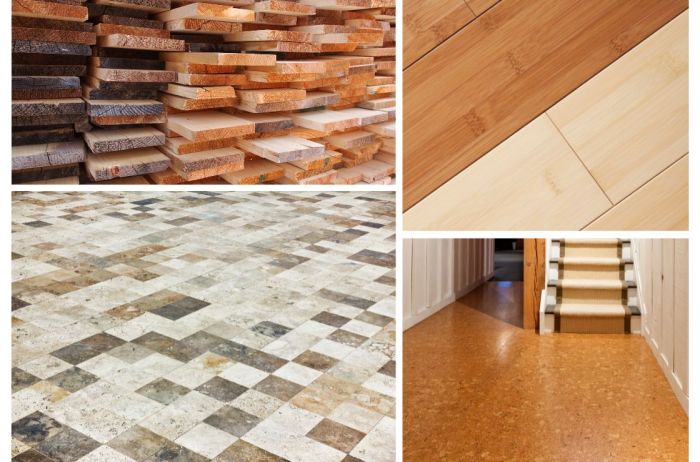
When designing a house, incorporating eco-friendly flooring options from the beginning can have a significant impact on the overall sustainability of the structure. Not only does it contribute to a healthier indoor environment, but it also helps reduce the carbon footprint of the building. Let’s explore how eco-friendly flooring choices can be seamlessly integrated into house plans.
Impact of Flooring Materials
- Choosing sustainable flooring materials such as bamboo, cork, reclaimed wood, or linoleum can significantly reduce the environmental impact of the house.
- Opting for materials that are non-toxic and emit fewer volatile organic compounds (VOCs) can improve indoor air quality and promote a healthier living environment.
- Recycled materials like glass tiles or rubber flooring can also be great eco-friendly options that add a unique touch to the house design.
Considerations for Selecting Eco-Friendly Flooring
- For modern architectural styles, sleek and durable options like polished concrete or recycled metal tiles can complement the aesthetic while maintaining sustainability.
- In traditional or rustic designs, reclaimed wood flooring or natural stone tiles can add warmth and character to the space while being environmentally conscious.
- In mid-century or minimalist designs, bamboo or cork flooring can provide a clean and contemporary look while being eco-friendly and renewable.
Examples of House Plans with Eco-Friendly Flooring
- A modern eco-friendly house plan may feature polished concrete floors throughout the living areas, complemented by bamboo flooring in the bedrooms for a sleek and sustainable design.
- A traditional house plan could include reclaimed wood flooring in the kitchen and dining area, paired with natural stone tiles in the bathrooms to create a charming and eco-conscious living space.
- A mid-century inspired house plan might incorporate cork flooring in the main living areas for a trendy and sustainable touch, combined with recycled metal tiles in the entryway for a contemporary flair.
Feng Shui
Feng Shui is a traditional Chinese practice that focuses on harmonizing individuals with their surrounding environment. When it comes to eco-friendly flooring options, incorporating Feng Shui principles can further enhance the energy flow in a space while promoting sustainability.
Enhancing Energy Flow
- Choose flooring materials that are natural and sustainable, such as bamboo, cork, or reclaimed wood. These materials not only support eco-friendly practices but also create a sense of balance and harmony in the space.
- Avoid using flooring with harsh chemicals or synthetic materials, as they can disrupt the flow of energy according to Feng Shui principles. Opt for non-toxic and organic options for a healthier and more balanced environment.
- Consider the color and texture of the flooring when aligning with Feng Shui guidelines. Earthy tones like green, brown, and beige are often recommended for promoting tranquility and grounding energy in a space.
Creating Harmonious Spaces
- By combining eco-friendly flooring options with Feng Shui practices, you can create harmonious spaces that promote well-being and positive energy flow. For example, a room with bamboo flooring and strategically placed plants can enhance the flow of chi (energy) and create a peaceful atmosphere.
- Integrating natural light and incorporating elements of nature into the design can further amplify the benefits of eco-friendly flooring in alignment with Feng Shui principles. This holistic approach not only benefits the environment but also contributes to a more balanced and harmonious living space.
Heating and Air Conditioning
Eco-friendly flooring options can have a significant impact on heating and air conditioning efficiency in your home. By choosing the right materials, you can enhance thermal insulation, regulate indoor temperatures, and create a more comfortable and energy-efficient environment.
Thermal Properties of Eco-Friendly Flooring Materials
When it comes to eco-friendly flooring options, different materials have varying thermal properties that can affect heating and cooling in your home. Here are some examples:
- Bamboo: Bamboo flooring is known for its natural insulating properties, helping to maintain a comfortable temperature in your home throughout the year.
- Cork: Cork flooring is not only sustainable but also has excellent thermal insulation properties, keeping your home warm in the winter and cool in the summer.
- Linoleum: Linoleum is a durable and eco-friendly flooring option that can help regulate indoor temperatures, reducing the need for excessive heating or cooling.
Tips for Choosing Flooring Options to Regulate Indoor Temperatures
When selecting eco-friendly flooring for your home, consider the following tips to improve heating and air conditioning efficiency:
- Choose materials with good thermal insulation properties to reduce heat loss in the winter and heat gain in the summer.
- Opt for flooring that can withstand temperature changes without warping or shrinking, ensuring long-term durability and efficiency.
- Consider the location of the room and the amount of natural light it receives when selecting flooring materials to help maintain a comfortable temperature.
Creating a Comfortable and Energy-Efficient Environment with Eco-Friendly Flooring Choices
By making informed decisions about your flooring options, you can create a comfortable and energy-efficient environment in your home. Eco-friendly materials not only contribute to sustainability but also help regulate indoor temperatures, reducing the need for excessive heating and cooling.
Explore the endless possibilities of eco-friendly flooring and take the first step towards creating a greener, healthier home environment for you and your loved ones.
Question & Answer Hub
What are the main benefits of choosing eco-friendly flooring?
Eco-friendly flooring options help reduce environmental impact, improve indoor air quality, and promote a healthier living space.
How do I know which eco-friendly flooring material is best for my kitchen?
Consider factors like durability, water resistance, and sustainability when choosing eco-friendly flooring for your kitchen.
Can I install eco-friendly flooring myself?
Yes, many eco-friendly flooring options come with easy installation guides for DIY enthusiasts.


