
Embark on a journey exploring the best furniture for a minimalist home, from key pieces to tips on maximizing space with multifunctional designs. Dive into the world of minimalist aesthetics with this engaging discussion.
Discover the importance of choosing the right furniture to complement a minimalist lifestyle and how different materials like wood, metal, or glass can elevate the overall look of your space.
Best Furniture for a Minimalist Home
Minimalist homes are all about clean lines, simple designs, and a clutter-free environment. Choosing the right furniture is crucial to achieve this aesthetic while maximizing space and functionality.
Key Furniture Pieces for a Minimalist Home
- Sleek and simple sofa or sectional: Opt for clean lines, neutral colors, and low-profile designs to keep the space open and uncluttered.
- Minimalist dining table and chairs: Choose a table with a simple silhouette and chairs that are sleek and unobtrusive to maintain a minimalist look in the dining area.
- Multi-functional storage units: Invest in furniture pieces that double as storage, such as ottomans with hidden compartments or coffee tables with built-in shelving.
- Platform bed with storage: A platform bed with built-in storage drawers can help maximize space in a minimalist bedroom while keeping the design clean and uncluttered.
Choosing Furniture for a Minimalist Aesthetic
When selecting furniture for a minimalist home, focus on functionality, simplicity, and quality. Opt for pieces with clean lines, neutral colors, and minimal ornamentation to maintain a cohesive and clutter-free look.
Materials for Minimalist Furniture
Materials like wood, metal, and glass are popular choices for minimalist furniture. Wood adds warmth and texture, while metal and glass provide a sleek and modern feel. Choose materials that complement the overall aesthetic of your space.
Maximizing Space with Multifunctional Furniture
- Choose furniture pieces that serve multiple purposes, such as a sofa bed or a dining table that can extend to accommodate more guests.
- Opt for furniture with built-in storage solutions, such as bookshelves that double as room dividers or beds with under-bed storage drawers.
- Consider furniture that can be easily moved or rearranged to create different layouts and maximize space efficiency in a minimalist home.
Home Inspections
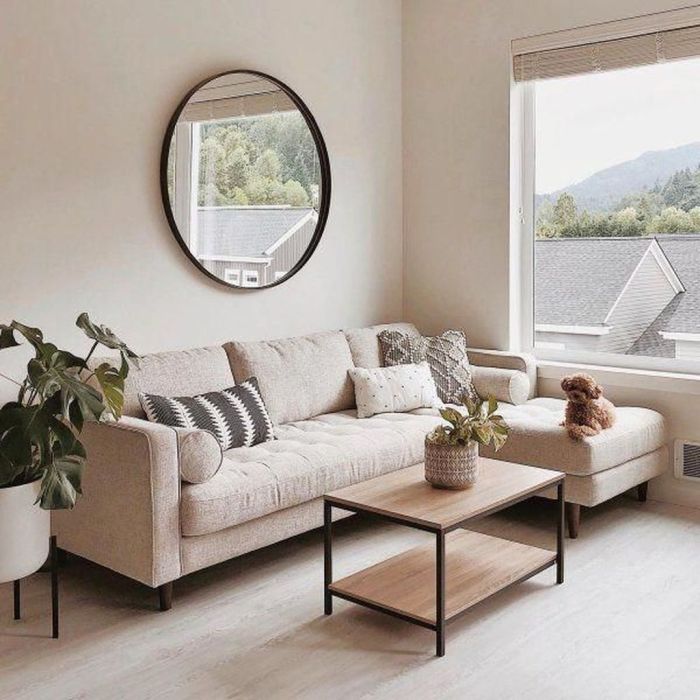
Before purchasing furniture for a minimalist home, conducting a home inspection is crucial to ensure that the pieces you choose will fit seamlessly into your space.
Importance of Home Inspections
Home inspections are essential as they allow you to assess the layout and dimensions of your space accurately, helping you make informed decisions when selecting furniture.
Quality and Durability
- Check the construction of the furniture to ensure it is sturdy and durable, as minimalist spaces often rely on a few key pieces to make a statement.
- Look for high-quality materials that will withstand daily use and maintain their aesthetic appeal over time.
Space Constraints
Home inspections can reveal any spatial limitations that may impact your furniture choices, such as low ceilings or narrow doorways. Consider these factors when selecting pieces to avoid any fitment issues.
Checklist for Home Inspections
- Measure the dimensions of the rooms where the furniture will be placed to ensure proper fit.
- Assess the natural lighting in the space to determine how certain materials and colors will look.
- Check for any obstructions or architectural features that may affect furniture placement.
- Consider the flow of traffic in the room and ensure that the furniture layout allows for easy movement.
- Inspect the walls and floors for any damage that may impact the installation of furniture.
Kitchen Improvements
When it comes to creating a minimalist kitchen, the right furniture can make all the difference in enhancing the overall look and feel of the space. Minimalist furniture is characterized by clean lines, simple designs, and a focus on functionality, which can help create a sleek and uncluttered kitchen environment.
Incorporating Minimalist Furniture
When incorporating minimalist furniture into kitchen improvements, opt for pieces that have a streamlined and modern aesthetic. Consider choosing kitchen cabinets with handle-less designs, sleek countertops, and minimalist bar stools or chairs. These elements can help maintain a clean and organized look in your kitchen.
Storage Solutions in Minimalist Kitchen Design
Storage solutions play a crucial role in minimalist kitchen design. To maintain a clutter-free space, consider incorporating built-in storage options such as hidden cabinets, pull-out drawers, and vertical storage racks. These solutions can help maximize storage space while keeping the kitchen looking tidy and organized.
Cohesive Design Theme
To create a cohesive design theme with minimalist furniture in the kitchen, focus on selecting furniture pieces that complement each other in terms of color, material, and design. Stick to a neutral color palette, such as whites, grays, or natural wood tones, and avoid overcrowding the space with unnecessary furniture. By keeping the design simple and consistent, you can achieve a harmonious and visually appealing minimalist kitchen.
Home Improvement and Furniture
When it comes to home improvement projects, choosing the right furniture plays a crucial role in creating a minimalist and cohesive living space. The furniture you select can significantly impact the overall look and feel of your home, making it essential to consider how each piece fits into your design scheme.
Examples of Furniture as a Focal Point
- Investing in a statement piece, such as a sleek leather sofa or a unique coffee table, can elevate the style of a room and become the focal point of the space.
- Choosing furniture with clean lines and minimalistic design can enhance the simplicity and elegance of a minimalist home, making each piece stand out in its own right.
Matching Furniture Styles with Home Improvement Themes
- For a modern home improvement theme, opt for furniture with a contemporary design, featuring metal or glass elements to complement the sleek and minimalist aesthetic.
- In contrast, a rustic home improvement theme can be enhanced with wooden furniture pieces, adding warmth and character to the space while maintaining a minimalist approach.
Tips for Seamless Furniture Integration
- Consider the size and scale of each furniture piece to ensure it fits harmoniously within the room and does not overpower the space.
- Choose a cohesive color palette for your furniture to create a unified look throughout your home, tying together different home improvement projects seamlessly.
Flooring
When it comes to designing a minimalist home, the choice of flooring plays a crucial role in setting the tone for the overall aesthetic. The right flooring can enhance the look of minimalist furniture while creating a cohesive and harmonious space.
It is essential to select flooring materials that complement minimalist furniture to achieve a seamless and unified design. The goal is to create a clean and uncluttered look that highlights the simplicity and elegance of the furniture pieces.
Creating Harmony Between Flooring and Furniture
- Opt for neutral tones: Choose flooring in neutral colors like white, beige, or light grey to provide a calm and understated backdrop for minimalist furniture.
- Consistency in materials: Maintain consistency in materials between the flooring and furniture, such as pairing wooden floors with wooden furniture for a cohesive look.
- Minimalist rugs: Consider adding minimalist rugs to define spaces and add warmth without overpowering the simplicity of the furniture.
Comparing Flooring Options
| Hardwood | Tiles | Vinyl |
|---|---|---|
| Provides a warm and natural look that complements minimalist furniture. | Offers a sleek and modern appearance that can work well with minimalist design. | Provides durability and a variety of designs to suit minimalist aesthetics. |
| Requires regular maintenance but adds a touch of elegance to the space. | Easy to clean and maintain, making it a practical choice for minimalist homes. | Cost-effective and versatile, suitable for high-traffic areas in a minimalist home. |
Green Living
Living a minimalist lifestyle goes hand in hand with embracing sustainability and eco-friendliness, even when it comes to furniture choices. Green living focuses on reducing environmental impact and promoting a healthier planet for future generations.
Benefits of Green Furniture in a Minimalist Home
Choosing green furniture for a minimalist home not only helps in reducing carbon footprint but also creates a healthier indoor environment. Green furniture is usually made from natural, non-toxic materials, contributing to better air quality and overall well-being.
- Recycled Materials: Opt for furniture made from recycled materials such as reclaimed wood, recycled plastic, or upcycled metal. These materials not only reduce waste but also add a unique touch to your minimalist space.
- Energy Efficiency: Look for furniture pieces that are energy-efficient in their production process. This can include using renewable energy sources or sustainable manufacturing practices.
- Durability: Green furniture tends to be more durable and long-lasting than conventional pieces, reducing the need for frequent replacements and ultimately minimizing waste.
Influence of Green Living on Furniture Choices
Embracing green living practices can greatly influence the furniture choices and overall design aesthetic of a minimalist home. By prioritizing sustainability and eco-friendliness, you can create a space that not only looks beautiful but also reflects your commitment to environmental responsibility.
Interior Design and Decorating
Furniture plays a crucial role in interior design and decorating a minimalist home. It not only serves a functional purpose but also contributes to the overall aesthetic and feel of the space.
The Role of Furniture in Minimalist Interior
- Minimalist furniture with clean lines and simple designs can enhance the sense of space in a room.
- Choosing furniture with a neutral color palette can create a cohesive and harmonious look in a minimalist setting.
- Multi-functional furniture pieces can help maximize space and reduce clutter, which is essential in minimalist design.
Furniture Placement and Perception of Space
- Strategic placement of furniture can create the illusion of a larger space in a minimalist interior.
- Opting for furniture with exposed legs can make a room feel more spacious by allowing light to flow underneath.
- Keeping pathways clear and maintaining an open layout can further enhance the perception of space.
Using Furniture as Decorative Elements
- Minimalist furniture can also double as decorative elements in a minimalist design by adding visual interest without overwhelming the space.
- Incorporating statement pieces or furniture with unique textures can create focal points in a minimalist interior.
- Using furniture with natural materials like wood or stone can bring warmth and texture to a minimalist space.
Coordinating Furniture with Minimalist Decor
- Choosing furniture that complements the overall minimalist aesthetic, such as sleek finishes and minimal hardware, can help achieve a cohesive look.
- Opting for furniture with similar design elements and materials can create a harmonious balance in a minimalist interior.
- Consider the scale and proportion of furniture pieces to ensure they fit well within the space and maintain the minimalist style.
Bath and Shower
When it comes to creating a minimalist bathroom, choosing the right furniture for bath and shower areas is crucial. Minimalist furniture can help maintain a clean and clutter-free look while maximizing functionality in a small space.
Importance of Minimalist Furniture for Bathrooms and Showers
- Minimalist furniture in bathrooms and showers helps create a sleek and modern aesthetic.
- Choosing furniture with clean lines and simple designs can enhance the overall minimalist look of the space.
- By opting for furniture with multipurpose functions, you can maximize storage and utility without sacrificing style.
Space-Saving Solutions for Small Bathroom Spaces
- Consider wall-mounted shelves or cabinets to free up floor space in small bathrooms.
- Use slim and compact furniture pieces that do not overwhelm the space visually.
- Opt for furniture with built-in storage options to keep essentials organized and out of sight.
Tips for Selecting Moisture-Resistant Furniture
- Choose furniture made from materials like teak, stainless steel, or plastic that are resistant to moisture and humidity.
- Look for furniture with waterproof finishes or coatings to prevent damage from water splashes and steam.
- Avoid furniture with intricate designs or materials that can easily warp or deteriorate in moist environments.
Maintaining a Minimalist Aesthetic in the Bathroom
- Stick to a neutral color palette and limit decorative elements to maintain a clean and minimalist look.
- Incorporate natural materials like wood or stone for a warm and organic touch in a minimalist bathroom.
- Keep surfaces clutter-free by storing toiletries and accessories in closed cabinets or drawers.
House Plans
When designing a minimalist home, the house plans play a crucial role in determining the layout and selection of furniture. The arrangement of rooms, the flow of space, and the amount of natural light can greatly impact the furniture choices within the house.It is essential to consider the house plans when deciding on furniture layouts to ensure a harmonious and functional living space.
Here are some key points to keep in mind:
Furniture Layouts based on House Plan Designs
- Open Floor Plan: For homes with an open layout, opt for minimal and multifunctional furniture pieces to maintain a sense of spaciousness. Consider modular furniture that can be easily rearranged to suit different purposes.
- Small Spaces: In compact homes, choose furniture with hidden storage solutions to maximize space. Wall-mounted shelves and foldable furniture are excellent choices for small areas.
- Long and Narrow Layout: To make the most of a long and narrow space, consider placing furniture along the longest wall to create a sense of balance and proportion. Avoid cluttering the space with too many pieces.
Natural Light and Airflow Influence
When arranging furniture in a minimalist home, it is important to consider the flow of natural light and airflow within the space. Position furniture in a way that allows light to filter through and promotes good ventilation. Avoid blocking windows or obstructing air circulation with bulky pieces.
Optimizing Space with Furniture Choices
- Multi-functional Furniture: Invest in furniture that serves more than one purpose, such as a sofa bed or a dining table with storage compartments. This helps maximize space utilization in different areas of the house.
- Vertical Storage: Utilize vertical space by incorporating tall bookshelves, cabinets, or wall-mounted units to free up floor space. This not only adds storage but also creates a visually appealing display.
- Zoning Areas: Define different areas within an open floor plan by using furniture to create distinct zones for living, dining, and working. This helps to establish a sense of purpose for each space while maintaining a cohesive design aesthetic.
Feng Shui
Feng Shui is a traditional Chinese practice that focuses on creating harmonious environments by arranging furniture and decor in a way that promotes positive energy flow, known as qi. When it comes to a minimalist home, incorporating Feng Shui principles can help create a peaceful and balanced living space.
Principles of Feng Shui for Furniture Selection
- Avoid clutter: Minimalist furniture with clean lines and simple designs can help maintain a clutter-free environment, allowing qi to flow freely throughout the space.
- Choose quality over quantity: Selecting high-quality furniture pieces that serve a purpose and bring joy can enhance the energy in the home.
- Consider natural materials: Opt for furniture made from natural materials like wood, bamboo, or rattan to promote a sense of connection to nature.
Creating Harmony with Furniture Placement
- Position furniture to allow for easy movement and access, ensuring a smooth flow of energy throughout the room.
- Avoid placing furniture directly in line with doors or windows to prevent energy from escaping too quickly.
- Use the Bagua map to determine the best placement for furniture based on the specific areas of the home and corresponding elements.
Incorporating Feng Shui Elements into Minimalist Furniture Arrangements
- Introduce elements of water, wood, metal, earth, and fire through decor items or colors to create a balanced and harmonious space.
- Balance yin and yang energies by combining soft and hard textures, light and dark colors, and curved and straight lines in furniture arrangements.
- Consider the five Feng Shui elements when selecting furniture pieces to ensure a well-rounded representation of energy in the home.
Benefits of Aligning Furniture Choices with Feng Shui
- Promotes a sense of calm and relaxation in the home environment, reducing stress and promoting overall well-being.
- Enhances the flow of positive energy throughout the space, creating a more harmonious and balanced living environment.
- Encourages mindfulness and intentionality in furniture selection and placement, leading to a more purposeful and meaningful living space.
Heating and Air Conditioning
When designing a minimalist home, it is important to consider how heating and air conditioning systems can impact furniture choices. Proper ventilation and airflow are key factors to maintain a comfortable temperature inside the house. Selecting the right furniture that does not obstruct these systems is crucial to ensure a functional and aesthetically pleasing living space.
Impact on Furniture Choices
Heating and air conditioning systems require proper airflow to function efficiently. Placing furniture in front of vents or blocking air ducts can hinder the circulation of warm or cool air throughout the room. To avoid this issue, opt for furniture with open designs that allow air to flow freely around the room.
Consideration of Ventilation and Airflow
When positioning furniture in a minimalist home, it is essential to consider the location of vents and air ducts. Ensure that there is enough space around these areas for air to circulate effectively. Avoid placing large or bulky furniture items directly in front of vents to prevent airflow restriction.
Tips for Selecting Furniture
- Choose furniture with legs: Opt for pieces that are raised on legs to create space underneath for air to flow.
- Use lightweight furniture: Select lightweight and movable furniture that can be easily repositioned for better airflow.
- Avoid blocking vents: Position furniture away from vents to allow air to circulate freely and maintain a comfortable temperature.
Maintaining Comfortable Temperature with Furniture Placement
To preserve the minimalist aesthetic while ensuring a comfortable temperature, strategically place furniture in a way that promotes airflow. Consider the layout of the room and the location of heating and cooling systems when arranging furniture. By keeping these factors in mind, you can create a harmonious balance between functionality and style in your minimalist home.
In conclusion, the key to achieving a minimalist home lies in selecting the right furniture pieces that not only enhance the aesthetic but also optimize space and functionality. From sustainable choices to Feng Shui principles, there are endless possibilities to create your ideal minimalist living space.
Answers to Common Questions
How can I choose the best minimalist furniture for my home?
Consider pieces that are both functional and visually appealing, with clean lines and a neutral color palette to maintain the minimalist aesthetic.
What materials work best for minimalist furniture?
Materials like wood, metal, and glass are popular choices for minimalist furniture due to their sleek and simple designs.
How can I make the most of limited space with minimalist furniture?
Opt for multifunctional pieces such as storage beds or extendable dining tables to maximize space without compromising on style.


