Embark on a journey of sustainable living with Eco-friendly home improvements, where every upgrade brings you closer to a greener lifestyle. From eco-conscious kitchen renovations to energy-efficient heating solutions, discover how small changes can make a big impact on your home and the environment.
Home Inspections
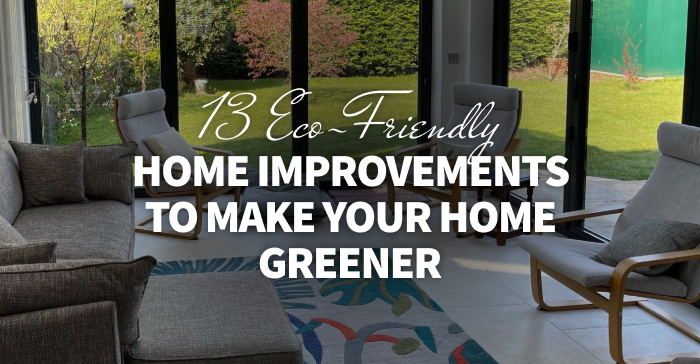
When it comes to home inspections, looking for eco-friendly features is crucial for not only reducing environmental impact but also saving money on energy bills in the long run. Eco-friendly homes are designed to be more energy-efficient, sustainable, and healthier for occupants.
Checklist of Eco-Friendly Aspects
- Energy-efficient appliances: Look for Energy Star-rated appliances that consume less electricity.
- Insulation: Check for proper insulation in walls, ceilings, and floors to reduce heating and cooling costs.
- Windows: Look for double or triple-pane windows with low-E coatings to improve energy efficiency.
- Heating and cooling systems: Ensure that HVAC systems are properly maintained and energy-efficient.
- Water-saving fixtures: Check for low-flow faucets, showerheads, and toilets to reduce water consumption.
Identifying Opportunities for Energy-Efficient Improvements
Home inspections play a vital role in identifying opportunities for energy-efficient improvements. Inspectors can assess the overall energy performance of a home and recommend upgrades such as installing solar panels, upgrading insulation, or replacing inefficient appliances. By addressing these issues, homeowners can not only reduce their carbon footprint but also increase the value of their property in the market.
Kitchen Improvements
When it comes to eco-friendly kitchen upgrades, there are several options to consider that can benefit both the environment and your wallet. From energy-efficient appliances to sustainable materials, making the right choices can have a positive impact on your home and the planet.
Energy-Efficient Appliances
Investing in energy-efficient appliances for your kitchen can significantly reduce your energy consumption and lower your utility bills. Look for appliances with the ENERGY STAR label, which indicates they meet strict energy efficiency guidelines set by the EPA. These appliances use less energy to operate, helping you save money while reducing your carbon footprint.
Sustainable Materials
When renovating your kitchen, opt for sustainable materials such as bamboo, reclaimed wood, or recycled glass. These materials are eco-friendly because they are renewable or made from recycled content, reducing the demand for new resources. Not only are sustainable materials better for the environment, but they can also add a unique and stylish touch to your kitchen design.
Eco-Friendly Countertop Options
There are several eco-friendly countertop options available that offer durability and minimal environmental impact. Materials like recycled glass, bamboo, and concrete are popular choices for eco-conscious homeowners. Recycled glass countertops are made from recycled glass bottles and jars, offering a colorful and unique surface while reducing waste. Bamboo countertops are sustainable and durable, making them a long-lasting and environmentally friendly choice.
Concrete countertops are also a great option, as they can be customized to fit your kitchen design and are known for their durability.
Home Improvement and Furniture
When aiming for eco-friendly home improvements, choosing sustainable furniture plays a vital role in reducing environmental impact and promoting a healthier living space. Sustainable furniture options are crafted from renewable or recycled materials, minimizing the depletion of natural resources and reducing waste production.
Sustainable Furniture Choices
- Opt for furniture made from reclaimed wood, bamboo, or FSC-certified wood to support responsible forestry practices.
- Choose pieces that are durable and timeless in design, ensuring longevity and reducing the need for frequent replacements.
- Look for furniture produced by companies with transparent and eco-friendly manufacturing processes, prioritizing low emissions and energy efficiency.
Upcycling and Repurposing
- Give old furniture a new life by upcycling or repurposing it instead of discarding it, reducing waste and fostering creativity.
- Consider refurbishing old pieces with non-toxic paints and finishes to enhance their appearance while maintaining indoor air quality.
- Explore DIY projects to transform unused items into functional furniture, adding a personal touch to your living space.
Non-Toxic Paints and Finishes
- Choose paints and finishes labeled as low-VOC or VOC-free to minimize the release of harmful chemicals into the air, improving indoor air quality.
- Opt for natural paints made from plant-based ingredients or mineral pigments for a healthier and more sustainable alternative to traditional paint products.
- Prioritize water-based finishes over solvent-based options to reduce environmental impact and promote a safer living environment for you and your family.
Flooring
When it comes to eco-friendly flooring options, there are several choices that can help reduce your environmental impact while enhancing the aesthetics of your home. Some popular options include bamboo, cork, and reclaimed wood. These materials are sustainable, renewable, and contribute to a healthier indoor environment.
Comparison of Eco-Friendly Flooring Options
- Bamboo: Bamboo is a fast-growing grass that can be harvested sustainably. It is durable, versatile, and available in a variety of colors and styles.
- Cork: Cork is harvested from the bark of cork oak trees without harming the tree. It is resilient, comfortable to walk on, and has natural thermal and acoustic insulating properties.
- Reclaimed Wood: Reclaimed wood is salvaged from old buildings, barns, or other structures, giving it a unique character and history. It reduces the need for new timber and helps prevent deforestation.
Selection Process for Low VOC Emissions
When choosing flooring materials with low volatile organic compound (VOC) emissions, look for products that are certified as low-VOC or zero-VOC by reputable organizations such as the Greenguard Environmental Institute. These certifications ensure that the flooring materials do not release harmful chemicals into the air, promoting better indoor air quality.
Installation Process for Sustainable Flooring Choices
Installing sustainable flooring options like bamboo, cork, or reclaimed wood requires careful planning and attention to detail. It is essential to follow the manufacturer’s guidelines for installation to ensure the longevity and performance of the flooring. Additionally, hiring professional installers with experience in eco-friendly flooring can help ensure a successful and environmentally friendly installation process.
Green Living
Living a green lifestyle not only benefits the environment but also promotes a healthier and more sustainable way of living. By making simple changes in our daily habits, we can reduce our carbon footprint and contribute to a greener future for our planet.
Lifestyle Changes for Eco-Friendly Living
Switching to energy-efficient appliances, using reusable bags and water bottles, opting for public transportation or carpooling, and supporting local and organic products are some of the lifestyle changes that can promote eco-friendly living in a household.
Benefits of Composting and Recycling
- Composting organic waste reduces methane emissions from landfills and enriches the soil with nutrients, promoting healthier plant growth.
- Recycling helps conserve natural resources, reduces energy consumption in the production of new materials, and minimizes waste sent to landfills.
- Both composting and recycling contribute to a circular economy, where resources are reused, reducing the need for raw materials and minimizing environmental impact.
Reducing Energy Consumption with Smart Home Technologies
- Installing smart thermostats can help regulate home temperature more efficiently, reducing energy waste and lowering utility bills.
- Using smart lighting systems that automatically adjust brightness and turn off when not in use can save energy and prolong the lifespan of light bulbs.
- Smart power strips can cut off power to electronics in standby mode, known as vampire power, preventing unnecessary energy consumption.
Interior Design and Decorating
Incorporating sustainable elements into interior design is not only beneficial for the environment but also creates a healthier and more aesthetically pleasing indoor space. Here are some ideas to enhance your home’s interior design while being eco-friendly:
Incorporating Biophilic Design Elements
Biophilic design focuses on incorporating natural elements into indoor spaces to create a connection with nature. This can include using materials like wood, stone, and plants to bring the outdoors inside. By introducing plants, natural textures, and organic shapes, you can improve air quality, reduce stress, and enhance overall well-being in your home.
Utilizing Natural Light
Maximizing natural light in your home not only reduces the need for artificial lighting but also helps to cut down on energy consumption. Consider using light-colored curtains or blinds to allow more sunlight to enter your space. Additionally, strategically placing mirrors can help reflect natural light throughout the room, making it feel brighter and more spacious.
Embracing Minimalism
Minimalism in interior design involves simplifying your space by decluttering and focusing on essential elements. By reducing the number of items in your home, you can minimize waste and create a more sustainable environment. Opt for multi-functional furniture pieces, choose neutral color palettes, and prioritize quality over quantity to achieve a minimalist and eco-friendly aesthetic in your home.
Bath and Shower
When it comes to creating an eco-friendly bathroom, incorporating water-saving fixtures and technologies is essential. Not only does this help conserve water, but it also reduces your utility bills and carbon footprint. Additionally, using organic and eco-friendly bath products can have numerous benefits for both your health and the environment. To top it off, designing a water-efficient shower space can be stylish and luxurious without compromising on functionality.
Water-Saving Fixtures and Technologies
- Install low-flow showerheads and faucets to reduce water usage without sacrificing water pressure.
- Consider a dual-flush toilet that allows you to choose between a full or partial flush, saving water with each use.
- Invest in a tankless water heater to heat water on demand, reducing energy consumption compared to traditional water heaters.
- Use smart water meters or sensors to track water usage and identify areas where you can further optimize your water consumption.
Organic and Eco-Friendly Bath Products
- Opt for natural and biodegradable soaps, shampoos, and bath salts to minimize exposure to harmful chemicals and reduce water pollution.
- Choose eco-friendly bath linens made from organic cotton or bamboo, which are sustainably sourced and free from harmful pesticides.
- Look for bath products with minimal packaging or packaging made from recycled materials to reduce waste and promote recycling.
- Support brands that prioritize sustainability and ethical practices in their production processes.
Designing a Water-Efficient Shower Space
- Incorporate a rainwater harvesting system to collect and reuse water for flushing toilets or watering plants.
- Use water-resistant and sustainable materials such as bamboo or recycled glass tiles for shower walls and flooring.
- Install a shower timer or monitor to track your water usage and encourage shorter showers.
- Consider a curbless shower design with a linear drain to improve accessibility and reduce water runoff.
Furniture
When it comes to furnishing your home in an eco-friendly way, sustainable furniture design plays a crucial role in reducing the environmental impact of your choices. Sustainable furniture is designed and manufactured with a focus on minimizing waste, using renewable resources, and promoting ethical production practices.
Examples of Eco-Friendly Furniture Materials
- Reclaimed Wood: Furniture made from reclaimed wood not only adds a unique and rustic charm to your home but also helps in reducing the demand for new timber, thus conserving forests and natural resources.
- Recycled Plastic: By using recycled plastic materials in furniture production, you contribute to the reduction of plastic waste in landfills and oceans, promoting a circular economy and sustainable resource management.
Importance of Durability and Longevity in Sustainable Furniture Choices
Sustainable furniture is not only about the materials used but also about the durability and longevity of the pieces. Investing in high-quality, well-built furniture ensures that your pieces will last for years to come, reducing the need for frequent replacements and ultimately decreasing the overall environmental footprint of your home furnishings.
House Plans
Designing an eco-friendly house plan with energy-efficient features is crucial in creating a sustainable living space. By incorporating green building practices and materials, you can reduce your carbon footprint and lower your energy consumption.
Passive solar design plays a key role in reducing heating and cooling costs in eco-friendly house plans. This design strategy utilizes the sun’s energy to heat and cool the home naturally, reducing the need for artificial heating and cooling systems. Features such as large south-facing windows, thermal mass materials, and proper shading can maximize the efficiency of passive solar design.
Green Building Certifications
- LEED (Leadership in Energy and Environmental Design): A widely recognized green building certification program that promotes sustainable building practices.
- Energy Star: Certification for energy-efficient homes that meet strict energy performance standards set by the Environmental Protection Agency.
- Passive House: Focuses on achieving ultra-low energy consumption through rigorous design and construction standards.
Feng Shui
When it comes to creating a harmonious living space, Feng Shui principles can play a crucial role in promoting positive energy flow and well-being within a home. By incorporating eco-friendly home improvements, you can align with the core principles of Feng Shui and create a sustainable living environment that nurtures both the inhabitants and the planet.
Incorporating Sustainable Elements into Feng Shui Design
Integrating sustainable elements into a Feng Shui-inspired design can enhance the overall energy flow and balance of a home. Here are some tips on how to incorporate eco-friendly practices into your Feng Shui design:
- Choose natural and non-toxic materials: Opt for eco-friendly materials such as bamboo flooring, reclaimed wood, and VOC-free paints to promote a healthy indoor environment.
- Maximize natural light and ventilation: Enhance the flow of positive energy by allowing ample natural light and fresh air to circulate throughout your home.
- Declutter and organize: Clearing out clutter not only improves the energy flow but also reduces waste and promotes a more sustainable lifestyle.
- Integrate plants and greenery: Indoor plants not only purify the air but also bring in vital life energy, or “chi,” into your living space.
- Consider energy-efficient appliances: Opt for energy-saving appliances to reduce your carbon footprint and align with the principles of sustainability.
Home Improvement
When it comes to DIY eco-friendly home improvement projects for beginners, there are several options that can make a big impact on sustainability without requiring advanced skills or expertise. From simple upgrades to more involved renovations, these projects can help reduce your environmental footprint while enhancing the efficiency and comfort of your home.
DIY Eco-Friendly Home Improvement Projects for Beginners
- Installing programmable thermostats to regulate heating and cooling more efficiently.
- Sealing gaps and cracks around windows and doors to prevent energy loss.
- Replacing traditional light bulbs with energy-efficient LED bulbs.
- Upcycling furniture or decor items instead of buying new.
Resources for Finding Eco-Friendly Building Materials and Supplies
When looking for eco-friendly building materials and supplies, it’s important to consider factors such as sustainability, energy efficiency, and non-toxicity. There are several resources available to help you find the right products for your home improvement projects, including:
- Local sustainable building supply stores.
- Online eco-friendly retailers.
- Green building certification programs.
- Community recycling centers and salvage yards.
Financial Benefits of Investing in Energy-Efficient Home Improvements
While the upfront cost of energy-efficient home improvements may seem daunting, the long-term financial benefits can outweigh the initial investment. By reducing energy consumption and utility bills, these improvements can lead to significant savings over time. Additionally, many energy-efficient upgrades may qualify for tax credits or rebates, further offsetting the costs.
Heating and Air Conditioning
When it comes to eco-friendly home improvements, optimizing heating and air conditioning systems plays a crucial role in reducing energy consumption and environmental impact. By choosing the right systems and implementing energy-efficient practices, homeowners can create a more sustainable living space.
Comparing Eco-Friendly Heating and Cooling Systems
There are various eco-friendly heating and cooling systems available for homes today, each with its own unique advantages and considerations. Some popular options include:
- Solar Heating: Harnessing the power of the sun to heat homes efficiently.
- Geothermal Heat Pumps: Utilizing the stable temperature of the earth for heating and cooling.
- Ductless Mini-Split Systems: Offering targeted heating and cooling without the need for ductwork.
The Importance of Proper Insulation
Proper insulation is essential for maintaining energy-efficient heating and cooling in a home. Without adequate insulation, valuable heat can escape during the winter, while cool air can seep out during the summer. By investing in quality insulation materials and sealing any air leaks, homeowners can significantly reduce their energy consumption and utility costs.
Optimizing HVAC Systems for Energy Efficiency
Optimizing HVAC systems is key to improving energy efficiency in homes. Here are some tips to help homeowners maximize the performance of their heating and cooling systems:
- Regular maintenance: Schedule annual HVAC inspections and cleanings to ensure optimal operation.
- Programmable thermostats: Set temperature schedules to reduce energy usage when no one is home.
- Air filter replacement: Replace air filters regularly to maintain good air quality and system efficiency.
- Zoning systems: Install zoning systems to heat or cool specific areas of the home based on usage.
In conclusion, Eco-friendly home improvements offer a pathway to a more sustainable and environmentally friendly way of living. By incorporating eco-conscious choices into your home, you not only create a healthier living environment but also contribute positively to the planet. Start your eco-friendly home improvement journey today and make a difference one step at a time.
Query Resolution
What are some easy eco-friendly home improvements to start with?
Begin by switching to energy-efficient appliances, incorporating sustainable materials in renovations, and adopting water-saving fixtures in your home.
How can eco-friendly home improvements benefit the environment?
Eco-friendly home improvements reduce energy consumption, minimize waste, and promote the use of environmentally friendly materials, leading to a healthier planet.
Are there any cost-effective ways to make my home more eco-friendly?
Yes, you can start by sealing drafts, using LED lighting, and installing a programmable thermostat to increase energy efficiency without breaking the bank.