
Kicking off with Bold interior design color palettes, this opening paragraph is designed to captivate and engage the readers, setting the tone for a colorful and dynamic discussion on how vibrant hues can transform living spaces. From deep reds to bright yellows, bold colors have the power to make a statement and breathe life into any room. Dive into the world of daring design choices and discover how to infuse your home with personality and style through the use of striking color palettes.
Bold interior design color palettes
When it comes to interior design, bold color palettes can make a powerful statement and completely transform a space. Bold colors can evoke different emotions and set the tone for a room, creating a dynamic and vibrant atmosphere.
Impact of bold colors in interior design
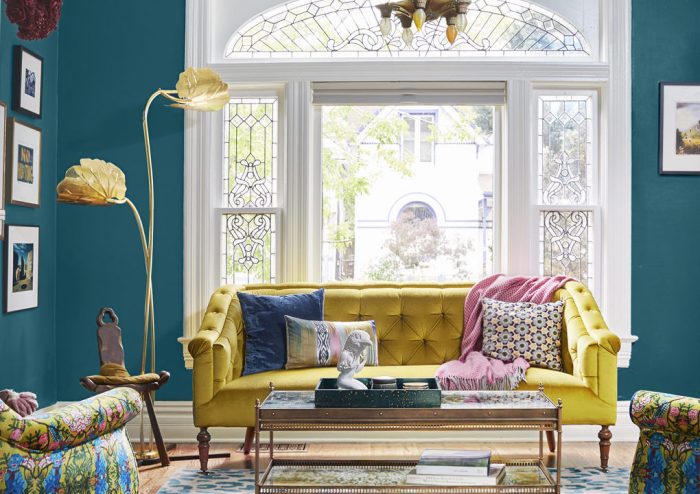
Using bold colors like deep reds, bright yellows, and rich blues can add drama and personality to a room. These colors can create a focal point, draw the eye, and make a space feel more energetic and exciting.
Popular bold color palettes
- Monochromatic Black and White with a Pop of Red: This classic color combination adds sophistication and drama to any space.
- Jewel Tones: Deep emerald greens, sapphire blues, and amethyst purples create a luxurious and opulent feel.
- Tropical Brights: Vibrant oranges, yellows, and pinks bring a playful and energetic vibe to a room.
Incorporating bold color palettes into different rooms
When using bold colors, it’s important to balance them with neutrals to avoid overwhelming the space. Consider painting an accent wall, adding bold furniture pieces, or incorporating colorful accessories like pillows and rugs to bring in pops of color without going overboard.
Psychological effects of bold colors
Bold colors can have a significant impact on our emotions and mood. For example, red can evoke feelings of passion and energy, while blue can promote a sense of calm and relaxation. Understanding the psychological effects of different colors can help you create a space that aligns with the mood you want to achieve.
Home Inspections
Before purchasing a property, home inspections play a crucial role in identifying potential issues and ensuring the safety and quality of the home. It is essential for buyers to have a clear understanding of the property’s condition to make informed decisions.
Importance of Home Inspections
Home inspections reveal hidden problems that may not be visible during a casual viewing. They help buyers avoid unexpected costs and repairs after purchasing the property. It provides peace of mind and allows for negotiation based on the inspection findings.
Common Issues Discovered During Home Inspections
- Structural problems such as foundation issues or roof damage
- Electrical issues like faulty wiring or outdated systems
- Plumbing problems such as leaks or water damage
- Mold and mildew growth due to moisture issues
- Pest infestations like termites or rodents
Tips for Homeowners to Prepare for a Home Inspection
- Clean and declutter the home to allow easy access to all areas
- Address any minor repairs or maintenance tasks beforehand
- Ensure all utilities are turned on for the inspector to check
- Provide documentation for renovations or upgrades done on the property
Benefits of Hiring a Professional for a Thorough Home Inspection
A professional home inspector has the expertise and experience to identify potential issues accurately. They provide an unbiased assessment of the property, offering valuable insights that can help buyers make informed decisions. Hiring a professional ensures a thorough inspection, covering all aspects of the home’s condition.
Kitchen Improvements
When it comes to improving the functionality and aesthetic appeal of a kitchen, there are several key factors to consider. From the latest trends to cost-effective upgrades, these enhancements can significantly impact the overall value of a home.
Maximizing Storage Space
- Install pull-out shelves or drawers to make accessing items easier.
- Utilize vertical space with tall cabinets or shelves for additional storage.
- Consider adding a kitchen island with built-in storage options.
Upgrading Appliances
- Invest in energy-efficient appliances to save on utility costs.
- Opt for smart appliances that offer convenience and modern functionality.
- Upgrade to a larger or more efficient refrigerator or dishwasher.
Embracing Technology
- Install under cabinet lighting for better visibility while cooking.
- Incorporate a smart home system for controlling lights, temperature, and more.
- Add a USB charging station for convenience and accessibility.
Enhancing Design Elements
- Upgrade countertops to durable and stylish materials like quartz or granite.
- Install a backsplash to add a pop of color and protect walls from splashes.
- Update cabinet hardware for a modern and cohesive look.
Home Improvement and Furniture
When it comes to home improvement projects, selecting the right furniture plays a crucial role in enhancing the overall aesthetics of a space. The right furniture can elevate the design of a room, making it more functional, comfortable, and visually appealing.
Choosing furniture that complements different interior design styles is essential to creating a cohesive and harmonious look within your home. Whether you prefer a modern, minimalist style or a more traditional, cozy feel, the right furniture pieces can tie everything together seamlessly.
Tips for Selecting Furniture
- Consider the size and layout of the room before purchasing furniture to ensure it fits proportionally and allows for easy movement.
- Opt for furniture pieces that not only reflect your personal style but also complement the existing color palette and design elements in the room.
- Mix and match different furniture styles to add visual interest and create a dynamic look within your space.
- Invest in quality furniture pieces that are not only stylish but also durable and long-lasting.
The Role of Furniture in Home Design
Furniture serves as more than just functional pieces within a home; they are essential elements that contribute to the overall design and ambiance of a space. The right furniture can define the style of a room, create focal points, and establish a cohesive design scheme throughout your home.
Flooring
When it comes to choosing the right flooring for your home, there are several factors to consider. From durability to maintenance requirements, the type of flooring you select can greatly impact the overall look and feel of a room. Here, we will compare different types of flooring options, discuss their pros and cons, and provide tips on selecting the best option based on your lifestyle and design preferences.
Comparison of Flooring Options
- Hardwood Flooring: Known for its timeless appeal and durability, hardwood flooring adds warmth and elegance to any space. It requires regular maintenance, such as refinishing, but can last for decades with proper care.
- Laminate Flooring: A more affordable alternative to hardwood, laminate flooring is easy to install and maintain. It is resistant to scratches and stains, making it ideal for high-traffic areas.
- Tile Flooring: Available in a variety of materials such as ceramic, porcelain, and natural stone, tile flooring is durable and water-resistant. It is a popular choice for kitchens and bathrooms.
- Carpet Flooring: Soft and comfortable underfoot, carpet flooring provides insulation and soundproofing. However, it requires regular cleaning and may not be suitable for households with pets or allergies.
Tips for Choosing the Right Flooring
- Consider the level of foot traffic in the room when selecting flooring materials. High-traffic areas may require more durable options.
- Take into account your lifestyle and design preferences. For example, if you have pets, you may want to choose a flooring material that is scratch-resistant.
- Think about the overall aesthetic of your home. Flooring can significantly impact the look and feel of a room, so choose a material that complements your existing decor.
Impact of Flooring on Room Feel
The type of flooring you choose can greatly impact the overall feel of a room. Lighter flooring colors can make a space feel more open and airy, while darker tones can create a cozy and intimate atmosphere. Additionally, different textures and finishes can add depth and character to a room, enhancing its visual appeal.
Green Living
In today’s world, incorporating sustainable and eco-friendly practices into home design is becoming increasingly important. Not only does it help reduce our carbon footprint, but it also promotes a healthier living environment for us and future generations.When creating a green living space, using renewable materials is key. Opt for items made from bamboo, cork, reclaimed wood, or recycled materials. These choices not only look stylish but also contribute to the conservation of natural resources.Green living choices can have a positive impact on the environment by reducing waste, conserving energy, and promoting a healthier lifestyle.
By choosing energy-efficient appliances, using natural lighting, and implementing proper insulation, you can significantly decrease your home’s energy consumption.Examples of green living initiatives in interior design include using low-VOC paints, installing energy-efficient windows, incorporating indoor plants for air purification, and opting for sustainable furniture made from responsibly sourced materials.
Benefits of Green Living
- Reduces carbon footprint
- Promotes healthier living environment
- Conserves natural resources
Tips for Creating a Green Living Space
- Choose renewable materials
- Use energy-efficient appliances
- Incorporate natural lighting
Impact of Green Living Choices
- Decreased energy consumption
- Reduced waste production
- Improved indoor air quality
Examples of Green Living Initiatives
- Low-VOC paints
- Energy-efficient windows
- Indoor plants for air purification
- Sustainable furniture
Interior Design and Decorating
When it comes to interior design and decorating, there are key elements that play a crucial role in creating a well-designed space. From choosing the right color palette to selecting furniture pieces that complement each other, every detail matters in achieving a cohesive and visually pleasing home.
Key Elements of Effective Interior Design and Decorating
- Color Palette: Selecting the right colors can set the mood and tone of a room. It’s essential to consider the natural light, room size, and desired ambiance when choosing a color scheme.
- Furniture Placement: Proper arrangement of furniture can optimize the flow of a space and create a functional layout. Balance is key to ensure that the room feels spacious and inviting.
- Texture and Patterns: Incorporating different textures and patterns can add depth and visual interest to a room. Mixing and matching materials can create a dynamic and layered look.
- Lighting: Lighting plays a crucial role in enhancing the overall design of a space. It’s important to consider both natural and artificial lighting to create a well-lit and inviting atmosphere.
Latest Trends in Interior Design and Decorating
- Biophilic Design: Bringing elements of nature indoors, such as plants and natural materials, is a growing trend in interior design. It promotes a sense of well-being and connection to the environment.
- Maximalism: Embracing bold colors, patterns, and textures to create an eclectic and vibrant space is gaining popularity. Mixing different styles and layering elements can add personality to a room.
- Sustainable Design: With a focus on eco-friendly materials and practices, sustainable design is becoming more prevalent in interior design. From energy-efficient lighting to recycled furniture, sustainability is a key consideration for many homeowners.
Tips for Creating a Cohesive Design Scheme for a Home
- Start with a Theme: Choose a central theme or inspiration for your design to guide your choices and create a cohesive look throughout your home.
- Consider Scale and Proportion: Ensure that the scale of furniture and decor items is appropriate for the size of the room. Balancing proportions can help maintain harmony in the space.
- Accessorize Thoughtfully: Select decor items that complement your existing color palette and style. Adding personal touches and meaningful accents can enhance the overall design.
Balancing Functionality and Aesthetics in Interior Design
- Multi-Functional Furniture: Opt for furniture pieces that serve dual purposes to maximize space and functionality without compromising on style.
- Storage Solutions: Incorporate clever storage solutions that are both practical and visually appealing to keep clutter at bay and maintain a neat and organized space.
- Zoning Areas: Define different functional areas within a room using furniture arrangement or decorative elements to create a well-balanced and purposeful layout.
Bath and Shower
When it comes to bathroom design, baths and showers play a crucial role in both functionality and aesthetics. Modern trends focus on creating luxurious and relaxing spaces that enhance the overall bathing experience.
Latest Trends in Bathroom Design
- Freestanding tubs: Adding a touch of elegance and sophistication to the bathroom.
- Walk-in showers: Providing a spacious and open feel to the bathroom.
- Smart shower systems: Incorporating advanced technologies for personalized shower experiences.
Innovative Features and Technologies
- Thermostatic shower valves: Ensuring consistent water temperature control.
- LED showerheads: Adding a pop of color and creating a relaxing ambiance.
- Steam showers: Mimicking a spa-like experience at home.
Selecting the Right Bath and Shower Fixtures
- Consider the size and layout of your bathroom to determine the best fit for baths and showers.
- Choose fixtures that complement the overall design theme of your bathroom.
- Look for water-efficient options to reduce consumption and environmental impact.
Creating a Spa-Like Experience
- Use calming colors and natural materials for a soothing atmosphere.
- Incorporate aromatherapy with essential oils or scented candles for a relaxing ambiance.
- Invest in quality bath linens and accessories to enhance comfort and luxury.
House Plans
House plans are a crucial element in the process of home construction, serving as the blueprint for the entire project. A well-thought-out house plan can ensure that the final result meets the needs and preferences of the homeowner while maximizing space and functionality.
There are different types of house plans available to cater to various sizes and styles of homes. From traditional single-story layouts to modern multi-level designs, the options are vast. It’s essential to choose a plan that aligns with the vision for your home and provides the necessary space for your lifestyle.
Customizing House Plans
When selecting a house plan, consider customizing it to suit your specific needs and preferences. This could involve adding extra rooms, adjusting the layout to create more open living spaces, or incorporating unique features that reflect your style. Working with a designer or architect can help bring your customization ideas to life.
Maximizing Space and Functionality
- Opt for open floor plans to create a sense of spaciousness and flow between rooms.
- Utilize vertical space with loft areas or tall ceilings to maximize living areas.
- Incorporate built-in storage solutions to keep the space organized and clutter-free.
- Consider flexible spaces that can serve multiple functions, such as a home office that can double as a guest room.
Feng Shui
Feng Shui is an ancient Chinese practice that focuses on creating harmony and balance in living spaces to promote positive energy flow. In interior design, Feng Shui principles are often used to enhance the overall atmosphere and well-being of a home.
Principles of Feng Shui and its Relevance in Interior Design
Feng Shui principles are based on the belief that the arrangement of furniture, colors, and decor in a space can impact the energy flow, also known as chi. By incorporating Feng Shui into interior design, homeowners can create a more harmonious and balanced environment that promotes health, happiness, and prosperity.
- Avoid clutter: Clutter can disrupt the flow of energy in a space. Keep your home organized and free of unnecessary items to promote a sense of calm and clarity.
- Balance elements: Incorporate a balance of yin and yang elements such as light and dark colors, soft and hard textures, and natural and man-made materials to create a harmonious atmosphere.
- Use natural light: Natural light is essential in Feng Shui as it represents positive energy. Maximize natural light in your home by using sheer curtains, mirrors, and reflective surfaces.
Enhancing Energy Flow and Harmony in a Home
Feng Shui can help enhance the energy flow and harmony in a home by ensuring that the layout and design elements promote a sense of well-being. By incorporating Feng Shui practices, homeowners can create a space that feels welcoming, peaceful, and balanced.
- Position furniture thoughtfully: Arrange furniture in a way that promotes easy movement and encourages positive interactions. Avoid placing furniture in direct line with doors or windows to prevent energy from flowing out.
- Choose calming colors: Use calming colors such as soft blues, greens, and neutrals to create a sense of tranquility and relaxation in your home.
- Integrate natural elements: Incorporate natural elements such as plants, water features, and natural materials like wood and stone to bring the outdoors inside and promote a sense of connection with nature.
Incorporating Feng Shui Practices into Interior Design
Incorporating Feng Shui practices into interior design involves paying attention to the layout, colors, and decor choices in a space to create a harmonious and balanced environment. By following Feng Shui guidelines, homeowners can enhance the overall energy flow and well-being of their home.
- Place a mirror in the dining room to reflect abundance and prosperity.
- Use a water feature near the entrance to attract positive energy and wealth.
- Avoid placing sharp-edged furniture in high-traffic areas to prevent negative energy from accumulating.
Examples of Feng Shui Elements
There are various Feng Shui elements that can positively impact living spaces and promote harmony and balance. Incorporating these elements into interior design can help create a more harmonious and peaceful home environment.
- Crystals: Crystals are believed to absorb and amplify energy. Place crystals in different areas of your home to promote positive energy flow.
- Wind chimes: Wind chimes can help disperse stagnant energy and create a sense of movement and flow in a space.
- Lucky bamboo: Lucky bamboo is a popular Feng Shui plant that is believed to bring good luck and fortune. Place lucky bamboo in your home to attract positive energy and prosperity.
Heating and Air Conditioning
Efficient heating and air conditioning systems are crucial for maintaining a comfortable and healthy indoor environment in a home. These systems not only regulate temperature but also help in controlling humidity levels and ensuring proper air circulation.
When it comes to residential properties, there are several types of heating and cooling options available to choose from. Some common options include central heating and air conditioning systems, ductless mini-split systems, heat pumps, and radiant floor heating.
Types of Heating and Cooling Options
- Central Heating and Air Conditioning Systems: These systems use ducts to distribute heated or cooled air throughout the house. They are efficient in regulating temperature but may require regular maintenance.
- Ductless Mini-Split Systems: These systems are ideal for homes without ductwork. They consist of an outdoor compressor unit and indoor air-handling units, providing heating and cooling to specific zones.
- Heat Pumps: Heat pumps can provide both heating and cooling by transferring heat between the indoors and outdoors. They are energy-efficient and environmentally friendly.
- Radiant Floor Heating: This system involves installing heating elements beneath the floor to provide warmth. It is a comfortable and efficient heating option.
Maintaining and Optimizing Heating and Air Conditioning Systems
- Regularly change air filters to ensure proper airflow and efficiency.
- Schedule annual maintenance checks by HVAC professionals to keep the systems running smoothly.
- Check and seal any duct leaks to prevent energy loss.
- Adjust thermostat settings based on occupancy and outside temperatures to optimize energy usage.
Energy-Efficient Practices for Heating and Cooling
- Upgrade to energy-efficient HVAC systems to reduce energy consumption and utility bills.
- Improve home insulation to minimize heat loss in winter and heat gain in summer.
- Utilize programmable thermostats to schedule temperature adjustments according to your daily routine.
- Consider using ceiling fans to circulate air and reduce the load on heating and cooling systems.
In conclusion, Bold interior design color palettes offer a unique opportunity to express your creativity and personality within your living space. By understanding the impact of bold colors, exploring popular palettes, and learning how to effectively incorporate them into different rooms, you can create a home that truly reflects your individuality. So, don’t be afraid to step outside the neutral zone and embrace the vibrancy of bold interior design color palettes to make a lasting impression in your home.
General Inquiries
How do bold colors impact interior design?
Bold colors can add drama, energy, and personality to a space, making it more visually appealing and vibrant.
What are some popular bold color palettes for interior design?
Popular bold color palettes include jewel tones like emerald green, sapphire blue, and amethyst purple, as well as daring combinations like black and gold or navy and coral.
How can I effectively incorporate bold color palettes into different rooms?
To incorporate bold colors, consider using them on accent walls, furniture pieces, or accessories while keeping the rest of the room neutral to balance the vibrancy.
What are the psychological effects of bold colors in interior spaces?
Bold colors can evoke emotions like excitement, passion, or creativity, depending on the specific hues used and their intensity.


