
With Mid-century modern furniture trends at the forefront, this paragraph opens a window to an amazing start and intrigue, inviting readers to embark on a storytelling casual formal language style filled with unexpected twists and insights.
Mid-century modern furniture has captured the essence of timeless design, blending sleek lines, minimalist aesthetics, and innovative materials to create iconic pieces that continue to shape interior decor trends. From the iconic Eames Lounge Chair to the clean lines of Scandinavian-inspired sofas, this style exudes sophistication and elegance. Exploring the evolution of mid-century modern furniture offers a glimpse into how this design movement has left an indelible mark on contemporary homes worldwide.
Mid-century Modern Furniture Trends
Mid-century modern furniture is characterized by sleek lines, organic shapes, and minimalist aesthetic. It emerged in the mid-20th century and is known for its simplicity and functionality. Popular materials used in mid-century modern furniture include wood, metal, and plastic.
Examples of Popular Mid-century Modern Furniture Pieces
- Eames Lounge Chair and Ottoman: Designed by Charles and Ray Eames, this iconic piece features molded plywood and leather upholstery.
- Noguchi Coffee Table: Isamu Noguchi’s sculptural table design combines wood and glass to create a unique centerpiece.
- Saarinen Tulip Table: Eero Saarinen’s pedestal table with a smooth marble top and curved base is a classic mid-century modern piece.
How Mid-century Modern Furniture Has Influenced Contemporary Design
Mid-century modern furniture has had a significant impact on contemporary design trends. Its emphasis on clean lines, organic shapes, and quality craftsmanship continues to influence furniture and interior design today. Many designers draw inspiration from mid-century modern aesthetics to create modern and timeless pieces.
Comparison to Other Design Styles
- Mid-century modern furniture differs from traditional furniture styles with its focus on simplicity and functionality over ornate details.
- Compared to industrial design, mid-century modern furniture tends to have warmer tones and softer lines, creating a more inviting and comfortable atmosphere.
- In contrast to minimalist design, mid-century modern furniture incorporates more organic shapes and natural materials, adding warmth and character to spaces.
Home Inspections
Before purchasing a property, conducting a thorough home inspection is crucial to identify any potential issues and ensure the value of the investment.
Importance of Home Inspections
Home inspections play a vital role in the home buying process as they provide a comprehensive evaluation of the property’s condition, helping buyers make informed decisions.
Step-by-Step Guide for Home Inspections
- Start with the exterior, checking for any signs of damage, water leaks, or structural issues.
- Move to the interior, inspecting walls, ceilings, floors, and windows for damages or mold.
- Check the plumbing system, electrical wiring, and HVAC systems to ensure they are in good working condition.
- Examine the roof for any leaks, missing shingles, or signs of wear and tear.
- Conduct a thorough inspection of the foundation and basement for cracks, water damage, or structural issues.
Common Issues Found During Home Inspections
- Water damage from leaks or poor drainage.
- Mold or mildew growth in damp areas.
- Electrical wiring problems, such as outdated systems or faulty connections.
- Roof issues like leaks, missing shingles, or signs of aging.
- Structural problems such as foundation cracks or sagging floors.
Role of Home Inspections in Property Valuation
Home inspections can impact the valuation of a property by revealing any underlying issues that may affect its worth. Addressing these issues can help increase the property’s value and prevent any surprises for buyers in the future.
Kitchen Improvements
Updating the kitchen is one of the most popular home improvement projects. A modern kitchen not only enhances the overall look of the home but also adds significant value.
Trendy Kitchen Improvement Ideas
- Open Shelving: Replace upper cabinets with open shelves to create an airy and spacious feel.
- Two-Tone Cabinets: Opt for contrasting colors for upper and lower cabinets for a modern look.
- Smart Appliances: Invest in smart appliances for convenience and a futuristic touch.
Impact on Home Value
Kitchen improvements have a high return on investment and can significantly increase the value of your home. A modern, updated kitchen is a major selling point for potential buyers.
Comparison of Materials
| Countertops | Cabinets |
|---|---|
| Quartz: Durable, low maintenance, and versatile. | Wood: Classic and warm, but requires more maintenance. |
| Granite: Luxurious and heat-resistant. | Thermofoil: Affordable and easy to clean, but less durable. |
Tips for Maximizing Space
- Utilize vertical space with tall cabinets or shelving.
- Install pull-out drawers and organizers for efficient storage.
- Opt for light colors to create an illusion of space in a small kitchen.
Home Improvement and Furniture
When it comes to home improvement projects, furniture choice plays a crucial role in enhancing the overall look and feel of a space. The right furniture pieces can transform a room, complementing the style and design of the home while also providing functionality and comfort.
Synergy between Home Improvement and Furniture Selection
Choosing the right furniture can greatly enhance the impact of a home improvement project. By selecting pieces that align with the overall aesthetic and theme of the space, you can create a cohesive and harmonious environment that feels well put together.
- Matching Styles: When selecting furniture, consider the style of your home improvement project. For example, if you are going for a modern and minimalist look, opt for sleek and streamlined furniture pieces that complement this style.
- Color Coordination: Furniture color can also play a significant role in tying together a room. Choose hues that complement the overall color scheme of the space to create a cohesive and visually appealing look.
- Functionality: In addition to style and color, consider the functionality of the furniture pieces. Select items that not only look good but also serve a purpose and meet the needs of the household.
Examples of Transformative Furniture Pieces
-
Statement Sofa: A bold and stylish sofa can instantly become the focal point of a room, adding personality and flair to the space.
-
Accent Chairs: Adding a pop of color or texture with accent chairs can elevate the overall design of a room and provide additional seating options.
-
Multi-functional Furniture: Pieces like storage ottomans or nesting tables not only save space but also add versatility to a room.
Tips for Selecting Furniture to Complement Home Improvement Style
- Consider the Theme: Ensure that the furniture pieces you choose align with the theme or style of the home improvement project.
- Measurements Matter: Before purchasing furniture, take precise measurements to ensure that the pieces fit the space appropriately without overcrowding.
- Mix and Match: Don’t be afraid to mix different styles or materials to create an eclectic and personalized look that reflects your taste.
Flooring
When it comes to modern homes, choosing the right flooring is crucial for both aesthetics and functionality. Different types of flooring offer varying levels of durability, maintenance requirements, and design possibilities. Let’s explore popular flooring options and considerations for selecting the best fit for your space.
Hardwood Flooring
Hardwood flooring is a timeless choice known for its elegance and durability. It adds warmth and character to any room, making it a popular option for living areas and bedrooms. While hardwood requires regular maintenance to keep it looking its best, it can be refinished multiple times, extending its lifespan.
Laminate Flooring
Laminate flooring is a cost-effective alternative to hardwood, offering a similar look at a lower price point. It is easy to install and maintain, making it a practical choice for high-traffic areas like hallways and kitchens. Laminate is also resistant to scratches and fading, providing long-lasting beauty for your home.
Tile Flooring
Tile flooring is versatile and durable, suitable for areas prone to moisture such as bathrooms and kitchens. With a wide range of colors, patterns, and sizes available, tile allows for creative design possibilities. While tile is easy to clean and maintain, grout lines may require periodic sealing to prevent staining and discoloration.
Choosing the Right Flooring
- Consider your lifestyle: Choose flooring that can withstand the demands of your household, whether you have pets, children, or frequent guests.
- Match design preferences: Select flooring that complements the style of your home and enhances the overall aesthetic appeal.
- Think about maintenance: Evaluate the upkeep required for each type of flooring and choose one that fits your cleaning routine and lifestyle.
- Seek professional advice: Consult with flooring experts to get recommendations based on your specific needs and budget.
Green Living
Green living is a lifestyle that aims to reduce one’s carbon footprint and minimize harm to the environment. In modern homes, incorporating eco-friendly practices and products has become increasingly important to promote sustainability and protect the planet for future generations.
Eco-Friendly Furniture Options
When it comes to furnishing your home with sustainable pieces, there are several eco-friendly options to consider. Look for furniture made from reclaimed or recycled materials, such as wood from old buildings or metal salvaged from industrial sites. Additionally, furniture crafted from sustainable materials like bamboo or cork can also be a great choice for green living.
Benefits of Green Elements in Home Design
- Reduces environmental impact
- Promotes healthier indoor air quality
- Supports sustainable practices in the furniture industry
- Creates a more natural and calming living space
Tips for Energy-Efficient and Environmentally Friendly Homes
- Install energy-efficient appliances and lighting
- Use natural light and ventilation to reduce the need for artificial heating and cooling
- Choose low VOC paints and finishes for a healthier indoor environment
- Invest in insulation and seal gaps to improve energy efficiency
Interior Design and Decorating
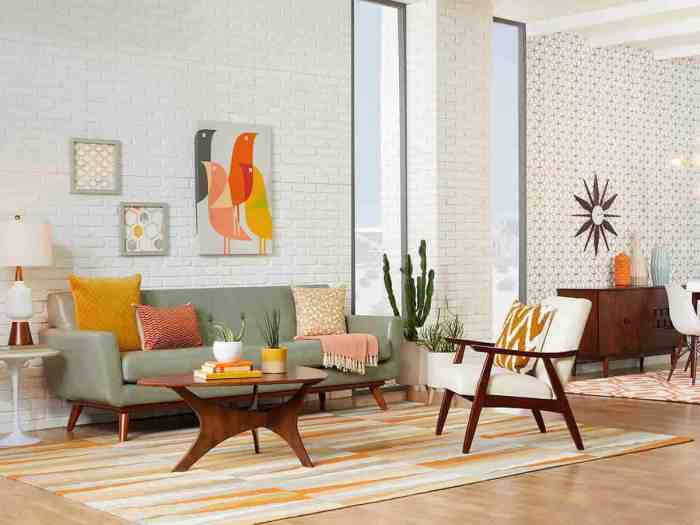
Interior design plays a crucial role in enhancing the aesthetics of a space, creating a harmonious and visually appealing environment. When it comes to decorating with mid-century modern furniture, there are a few key tips to keep in mind.
Tips for Decorating with Mid-Century Modern Furniture
- Focus on clean lines and organic shapes: Mid-century modern furniture is known for its sleek lines and gentle curves, so opt for pieces that embody these characteristics.
- Mix vintage with contemporary: Don’t be afraid to mix mid-century modern pieces with contemporary decor to create a stylish and eclectic look.
- Use bold colors sparingly: While mid-century modern design often incorporates bold colors, it’s best to use them as accents rather than overwhelming the space.
- Showcase natural materials: Wood, leather, and other natural materials are key elements of mid-century modern design, so make sure to highlight them in your decor.
Color Schemes that Complement Mid-Century Modern Design
- Teal and mustard: This retro-inspired color combination adds a pop of color while still maintaining a mid-century modern aesthetic.
- Neutral tones with pops of orange: Neutral shades like white, beige, or gray paired with vibrant orange accents create a warm and inviting atmosphere.
- Muted pastels: Soft pastel colors like blush pink, mint green, and baby blue can add a touch of whimsy to a mid-century modern space.
Comparing Interior Design Styles with a Focus on Furniture Placement
- Minimalist design: Focuses on simplicity and clean lines, often with sparse furniture arrangements to create a sense of openness and tranquility.
- Traditional design: Emphasizes classic furniture pieces and rich colors, with a focus on symmetry and balance in furniture placement.
- Eclectic design: Combines elements from various styles, allowing for more freedom in furniture placement and mixing different aesthetics for a unique look.
Bath and Shower
When it comes to designing a modern bathroom, the bath and shower play a crucial role in both functionality and aesthetic appeal. Here, we will explore trendy designs and essential tips for creating a stylish and efficient bathroom space.
Trendy Bath and Shower Designs
Modern bathrooms often feature sleek and minimalist bath and shower designs that create a clean and contemporary look. Some popular trends include:
- Open-concept showers with frameless glass enclosures for a spacious feel.
- Freestanding soaking tubs as a focal point for a luxurious touch.
- Smart showers with digital controls and customizable settings for a high-tech experience.
Functionality in Bath and Shower Design
Functionality is key when designing a bath and shower area. Consider the following aspects for a practical and user-friendly bathroom:
- Choose fixtures that are easy to clean and maintain for long-term use.
- Install adequate lighting in the shower area to ensure safety and visibility.
- Incorporate storage solutions like niches or shelves to keep bath essentials organized.
Selecting Fixtures and Finishes
The right fixtures and finishes can tie the entire bathroom design together. Here are some tips for selecting cohesive elements:
- Opt for matching hardware finishes throughout the bath and shower area for a unified look.
- Choose durable materials like chrome or stainless steel for long-lasting performance.
- Add a touch of luxury with high-quality faucets and showerheads in a stylish finish.
Maximizing Space in a Small Bathroom
In small bathrooms, maximizing space is essential for a functional and comfortable layout. Consider the following design ideas:
- Use wall-mounted fixtures to free up floor space and create a sense of openness.
- Opt for a corner shower unit to make efficient use of available space.
- Install a floating vanity to visually expand the room and provide storage without cluttering the floor.
House Plans
When it comes to home construction, well-designed house plans play a crucial role in determining the functionality, flow, and overall aesthetics of a house. A carefully crafted house plan can maximize space, enhance natural light, and create a comfortable living environment for homeowners.
Choosing the right house plan involves considering various key elements to ensure that it meets the specific needs and preferences of the occupants. Factors such as the size of the family, lifestyle preferences, budget constraints, and future expansion possibilities should all be taken into account when selecting a house plan.
Popular House Plan Layouts
There are several popular house plan layouts that cater to different family sizes and lifestyles. Some examples include:
- Single-story ranch-style homes, ideal for small families or individuals looking for easy accessibility and a cozy layout.
- Two-story colonial-style homes, perfect for larger families needing separate living spaces and ample bedrooms.
- Open-concept modern designs, suitable for families who enjoy a spacious and interconnected living, dining, and kitchen area.
- Multigenerational floor plans, featuring separate living quarters or suites for extended family members or guests.
Customizing House Plans
Customizing house plans allows homeowners to tailor the design to their specific needs and preferences. Here are some tips for customizing house plans:
- Work with a reputable architect or designer to make modifications to the existing plan.
- Consider adding extra rooms, changing room layouts, or adjusting the overall size of the house to better suit your lifestyle.
- Incorporate energy-efficient features, such as solar panels or passive solar design, to reduce utility costs and environmental impact.
- Personalize the interior finishes, fixtures, and materials to reflect your unique style and taste.
Feng Shui
Feng Shui is an ancient Chinese practice that focuses on creating a harmonious environment by balancing the flow of energy, known as chi, in a space. It emphasizes the arrangement of furniture, decor, and colors to promote positive energy and well-being in a home.
Principles of Feng Shui
- Avoid clutter: Clutter can disrupt the flow of energy in a space, so it is essential to keep your home organized and free of unnecessary items.
- Balance elements: Incorporate a balance of elements such as wood, fire, earth, metal, and water to create harmony in your home.
- Use natural light: Allow natural light to flow into your home as it is believed to bring in positive energy.
Incorporating Feng Shui into Furniture Arrangement
- Position your bed in a commanding position: Place your bed in a way that allows you to see the door without being directly in line with it for a sense of security and stability.
- Avoid placing furniture with sharp edges: Sharp edges are believed to create negative energy, so opt for furniture with rounded edges for a more harmonious environment.
- Introduce plants and natural elements: Incorporating plants and natural elements into your home can help bring in positive energy and create a sense of tranquility.
Benefits of Following Feng Shui
- Promotes tranquility and well-being: Following Feng Shui principles can help create a peaceful and harmonious living environment.
- Enhances energy flow: By arranging furniture and decor according to Feng Shui guidelines, you can improve the flow of positive energy in your home.
- Creates a sense of balance: Feng Shui aims to create balance in a space, which can lead to a sense of calm and stability.
Creating a Harmonious Living Environment with Feng Shui
- Use the Bagua map: The Bagua map is a tool used in Feng Shui to map out different areas of a home and determine how to enhance each area for optimal energy flow.
- Declutter regularly: Keeping your home organized and clutter-free is essential for maintaining a harmonious living environment according to Feng Shui principles.
- Balance yin and yang: Incorporate both yin (passive) and yang (active) elements in your home to achieve a harmonious balance of energy.
Home Improvement
Home improvement projects can range from simple DIY tasks to larger renovations that require professional help. Planning and budgeting are essential for a successful home improvement project, and it’s important to consider both the practical and aesthetic aspects of the changes you want to make.
DIY Home Improvement Projects for Beginners
Embarking on a DIY home improvement project can be a rewarding experience, especially for beginners looking to enhance their living space on a budget. Here are some simple projects to get you started:
- Painting a room
- Installing shelves
- Updating cabinet hardware
- Caulking and weather-stripping
Importance of Budgeting and Planning
Before starting any home improvement project, it’s crucial to create a budget and plan out the details of the project. This will help you stay on track financially and ensure that the end result meets your expectations. Consider factors like materials, labor costs, and unexpected expenses when budgeting for your project.
Tips for Hiring Professionals
For larger home improvement projects that require professional help, it’s important to hire reputable contractors or specialists. Here are some tips to keep in mind when hiring professionals:
- Research and ask for recommendations
- Get multiple quotes
- Check credentials and references
- Have a detailed contract in place
Before-and-After Transformations
Seeing the before-and-after transformations of successful home improvement projects can be inspiring and motivating. Whether it’s a kitchen renovation, a bathroom upgrade, or a complete home makeover, these transformations showcase the impact that thoughtful design and renovations can have on a living space.
Heating and Air Conditioning
When it comes to heating and air conditioning systems for homes, staying up to date with the latest trends is essential to ensure comfort and energy efficiency.
Latest Trends in HVAC Systems
With advancements in technology, the latest trend in heating and air conditioning systems is the move towards smart and energy-efficient solutions. These systems are designed to provide optimal comfort while reducing energy consumption.
- Investing in smart thermostats that can be controlled remotely can help regulate temperature settings and save on energy costs.
- Ductless mini-split systems are gaining popularity due to their flexibility in zoning and energy efficiency.
- Heat pumps are becoming a popular choice for both heating and cooling, offering efficient operation in various climates.
Importance of HVAC Maintenance
Proper HVAC maintenance is crucial for ensuring energy efficiency and prolonging the lifespan of your heating and cooling systems.
- Regularly changing air filters can improve airflow and reduce strain on the system, leading to lower energy consumption.
- Scheduling annual maintenance checks with a professional can help identify and address any issues before they escalate, ensuring optimal performance.
Choosing the Right Systems for Different Climates
When selecting heating and cooling systems for your home, it’s important to consider the climate you live in to ensure maximum efficiency and comfort.
- In colder climates, high-efficiency furnaces and boilers are recommended for effective heating during winter months.
- For warmer climates, air conditioning systems with high SEER ratings are ideal for efficient cooling without consuming excessive energy.
Smart Home Technologies for HVAC Control
Smart home technologies offer convenient ways to control and monitor heating and air conditioning systems, optimizing energy usage and comfort levels.
- Smart thermostats with learning capabilities can adjust settings based on your preferences and daily routines, saving energy without compromising comfort.
- Zoning systems allow you to adjust temperatures in different areas of your home independently, reducing energy waste in unused spaces.
In conclusion, delving into the world of Mid-century modern furniture trends unveils a rich tapestry of design history and innovation that continues to captivate enthusiasts and designers alike. From its enduring appeal to its seamless integration with modern interiors, this style remains a timeless choice for those seeking to infuse their spaces with a touch of mid-century flair. As we celebrate the past while embracing the future, the legacy of mid-century modern furniture trends shines brightly, inspiring new generations to appreciate the beauty of retro-chic design.
FAQ
How can I identify authentic mid-century modern furniture pieces?
To identify authentic mid-century modern furniture, look for quality craftsmanship, materials such as teak or walnut, and iconic design elements like tapered legs and organic shapes.
What makes mid-century modern furniture different from other design styles?
Mid-century modern furniture stands out for its focus on functionality, clean lines, and organic forms, drawing inspiration from the mid-20th century design movements.
How can I incorporate mid-century modern furniture into a contemporary home?
To incorporate mid-century modern furniture into a contemporary home, mix iconic pieces with modern decor, play with textures, and use a neutral color palette to create a cohesive look.


