
Embarking on a journey through the ins and outs of home inspections, this guide delves into the key aspects of what to expect during this crucial process, ensuring you are well-prepared and informed.
What to Expect During a Home Inspection
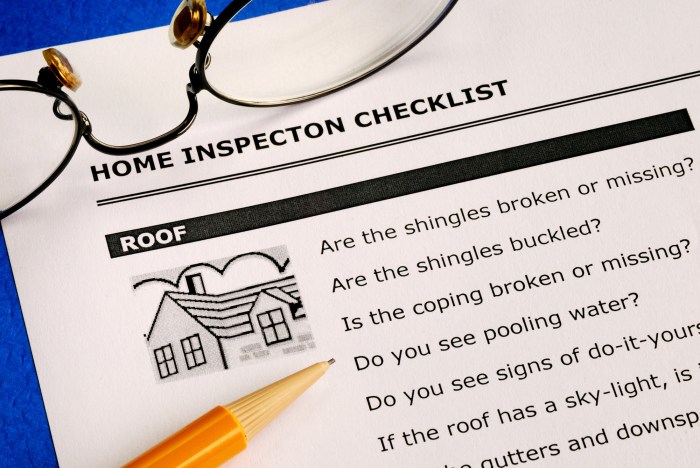
When preparing for a home inspection, it is essential to understand the process and what to expect. This ensures that you are ready and can address any potential issues that may arise during the inspection.
Purpose of a Home Inspection
A home inspection is a thorough examination of a property’s condition to identify any existing or potential problems. The purpose is to provide the buyer with a comprehensive report on the property’s condition before finalizing the purchase.
Common Areas Typically Inspected
- Structural components such as the foundation, walls, and roof.
- Plumbing system including pipes, drains, and water heater.
- Electrical system to check wiring, outlets, and circuit breakers.
- Heating, ventilation, and air conditioning (HVAC) systems.
- Appliances like stoves, refrigerators, and dishwashers.
Importance of Hiring a Qualified Inspector
It is crucial to hire a qualified and experienced home inspector to ensure a thorough examination of the property. A qualified inspector will have the knowledge and expertise to identify potential issues that an untrained eye might miss.
Tips on How to Prepare for a Home Inspection
- Make sure the property is clean and accessible for inspection.
- Compile any maintenance records or warranties for appliances and systems.
- Be present during the inspection to ask questions and address concerns directly.
- Prepare to receive a detailed report after the inspection for further action.
Home Inspections
When it comes to home inspections, there are different types available to cater to various needs and situations. Each type serves a specific purpose in ensuring the safety, quality, and overall condition of a property.
Types of Home Inspections
- Pre-Purchase Inspections: Conducted by the buyer before finalizing the purchase to identify any potential issues that may affect the decision.
- Pre-Listing Inspections: Done by the seller before listing the property to address any issues upfront and increase transparency.
- New Construction Inspections: Ensuring that a newly built home meets all required standards and regulations.
- Annual Maintenance Inspections: Regular check-ups to maintain the condition of the property and address any arising issues.
Benefits of Pre-Listing vs. Buyer’s Inspection
- Pre-Listing Inspection: Allows the seller to proactively address any concerns, potentially speeding up the selling process and reducing negotiations after an offer is made.
- Buyer’s Inspection: Provides peace of mind for the buyer by uncovering any hidden issues before committing to the purchase, helping them make an informed decision.
Impact of Home Inspections
Home inspections play a crucial role in the buying or selling process by providing valuable information about the property’s condition. They can influence negotiations, determine the final sale price, and help both parties reach a fair agreement based on the inspection findings.
Role of Inspection Reports in Negotiations
Inspection reports serve as a detailed documentation of the property’s condition, highlighting any defects or areas of concern. These reports play a significant role in negotiations, as they provide concrete evidence for requesting repairs, adjustments in the sale price, or other concessions based on the inspection findings.
Kitchen Improvements
When it comes to home improvements, the kitchen is often a top priority for many homeowners. Not only is it a central hub for family gatherings and entertaining, but it also plays a significant role in the overall value of a home. Here, we will highlight popular kitchen improvement trends, share tips on budget-friendly upgrades, discuss the importance of functionality and aesthetics, and describe how these improvements can impact home value.
Popular Kitchen Improvement Trends
- Open shelving for a modern and airy feel.
- Smart appliances for convenience and energy efficiency.
- Statement lighting fixtures to add a touch of style.
- Quartz countertops for durability and aesthetics.
Budget-Friendly Ways to Upgrade a Kitchen
- Paint cabinets for a fresh look instead of replacing them.
- Update hardware like knobs and handles for a quick and affordable change.
- Add a backsplash to instantly elevate the look of the kitchen.
- Consider refinishing rather than replacing flooring to save costs.
Importance of Functionality and Aesthetics in Kitchen Design
- Functionality ensures that the kitchen layout is efficient and meets the needs of the homeowner.
- Aesthetics play a crucial role in creating a welcoming and visually appealing space.
- Combining functionality and aesthetics results in a kitchen that is both practical and beautiful.
Impact of Kitchen Improvements on Home Value
- A well-designed and updated kitchen can significantly increase the value of a home.
- Buyers are often willing to pay more for a home with a modern and functional kitchen.
- Kitchen improvements have one of the highest returns on investment compared to other home improvement projects.
Home Improvement and Furniture
When it comes to home improvement projects, furniture choices play a crucial role in enhancing the overall look and feel of a space. The right furniture pieces can transform a room, complementing the existing decor and creating a cohesive and inviting atmosphere.
Enhancing Home Improvement Projects with Furniture
- Choose furniture that fits the scale of the room to avoid overcrowding or making the space feel empty.
- Consider the functionality of each piece to ensure it serves a purpose while also adding to the aesthetic appeal of the room.
- Look for furniture that complements the color scheme and style of the existing decor to create a harmonious look.
Furniture Pieces that Transform a Space
- A statement piece like a bold-colored sofa or a unique coffee table can instantly elevate the look of a room.
- Multi-functional furniture like a storage ottoman or a convertible sofa bed can help maximize space in smaller rooms.
- Adding accent chairs, decorative mirrors, or stylish lighting fixtures can bring personality and charm to a space.
Relationship Between Furniture Styles and Home Aesthetics
- Modern furniture pieces with clean lines and minimalistic designs can create a sleek and contemporary look.
- Vintage or antique furniture can add character and warmth to a space, giving it a timeless appeal.
- Mixing different furniture styles can create a visually interesting and dynamic interior design scheme.
Tips for Selecting Furniture that Complements Interior Design
- Consider the overall theme and color palette of the room when choosing furniture to ensure it enhances the existing decor.
- Take measurements of the space to ensure that the furniture pieces fit proportionally and allow for easy movement around the room.
- Invest in quality furniture pieces that are not only stylish but also durable and long-lasting.
Flooring
When it comes to flooring options for your home, there are several materials to choose from, each with its own benefits and drawbacks. It’s essential to consider factors like durability, maintenance, and style when selecting the right flooring for different rooms in your house.
Types of Flooring Materials
- Hardwood: Known for its timeless appeal and durability, hardwood flooring adds warmth to any room. However, it can be costly and may require refinishing over time.
- Laminate: A more affordable alternative to hardwood, laminate flooring is easy to install and maintain. It’s also resistant to scratches and moisture.
- Tile: Available in various materials such as ceramic, porcelain, and natural stone, tile flooring is durable and water-resistant. It’s ideal for high-traffic areas like kitchens and bathrooms.
- Carpet: Offering comfort and insulation, carpet flooring is available in a wide range of colors and textures. However, it can be challenging to clean and may trap allergens.
Benefits and Drawbacks of Popular Flooring Options
- Hardwood: Provides a classic look but may be more susceptible to scratches and water damage.
- Laminate: Affordable and easy to maintain, but may not offer the same level of durability as hardwood.
- Tile: Durable and water-resistant, but can feel cold underfoot and may require professional installation.
- Carpet: Soft and cozy, but can stain easily and trap dust and allergens.
Maintenance Tips for Various Types of Flooring
- Hardwood: Regularly sweep or vacuum to remove dirt and debris. Use a damp mop for cleaning, avoiding excess water.
- Laminate: Clean up spills promptly and avoid using harsh chemicals. Use a damp mop or cloth for regular cleaning.
- Tile: Sweep or vacuum regularly to prevent dirt buildup. Use a mild detergent and water for cleaning, avoiding abrasive cleaners.
- Carpet: Vacuum regularly and spot clean stains immediately. Schedule professional carpet cleaning at least once a year.
Choosing the Right Flooring for Different Rooms
- Kitchen: Consider durable and water-resistant options like tile or laminate for easy cleaning and maintenance.
- Living Room: Opt for cozy and stylish choices like hardwood or carpet to create a warm and inviting space.
- Bathroom: Choose moisture-resistant materials like tile or vinyl for longevity in a high-humidity environment.
- Bedroom: Select soft and comfortable flooring like carpet or hardwood with area rugs for a cozy feel underfoot.
Green Living
Green living refers to a lifestyle that aims to reduce the negative impact on the environment and promote sustainable practices. It involves making conscious choices to conserve resources, minimize waste, and protect the planet for future generations.
Importance of Green Living in Home Design
When designing a home with green living in mind, homeowners can reduce energy consumption, water usage, and overall carbon footprint. By incorporating eco-friendly materials and technology, homes can be more efficient and environmentally friendly.
Eco-Friendly Home Improvement Options
- Installing energy-efficient appliances to reduce electricity usage.
- Using sustainable materials like bamboo flooring or recycled glass countertops.
- Implementing a rainwater harvesting system to reduce water consumption.
- Adding solar panels to generate clean energy and reduce reliance on traditional power sources.
Tips for Incorporating Sustainable Practices
- Reduce, reuse, and recycle items to minimize waste and promote a circular economy.
- Conserve water by fixing leaks, installing low-flow fixtures, and utilizing drought-resistant landscaping.
- Opt for natural light sources and energy-efficient lighting to reduce electricity usage.
Benefits of Green Living
- Lower utility bills due to increased energy efficiency.
- Improved indoor air quality and overall health for occupants.
- Reduced carbon footprint and contribution to combating climate change.
- Enhanced property value and marketability for eco-conscious buyers.
Interior Design and Decorating
Interior design plays a crucial role in creating a harmonious living space that reflects your personality and style. It involves planning and arranging furniture, colors, and decor elements to achieve a cohesive look and feel throughout your home.
Tips for Decorating Different Rooms
- Living Room: Incorporate comfortable seating, add a statement piece like a bold rug or artwork, and use lighting to create ambiance.
- Bedroom: Focus on creating a relaxing atmosphere with soft bedding, calming colors, and personal touches like family photos or meaningful decor.
- Kitchen: Keep functionality in mind by organizing storage, adding plants or herbs for a pop of color, and choosing durable materials for countertops and cabinets.
- Bathroom: Maximize storage space, enhance lighting for a spa-like feel, and add decorative elements like candles or fresh flowers.
Balance Functionality and Style in Interior Design
When designing your home’s interior, it’s essential to strike a balance between functionality and style. Consider the practical needs of each room while incorporating your preferred design aesthetic. For example, choose furniture that is both comfortable and visually appealing, opt for storage solutions that are efficient yet attractive, and select colors and patterns that enhance the overall look of the space.
Popular Interior Design Styles and Trends
- Minimalist: Focuses on simplicity, clean lines, and a clutter-free environment.
- Industrial: Embraces raw materials like metal and wood, with a warehouse-inspired look.
- Bohemian: Incorporates eclectic patterns, textures, and colors for a relaxed and artistic vibe.
- Scandinavian: Features light colors, natural materials, and cozy accents for a warm and inviting feel.
Bath and Shower
When it comes to bathroom design, there are always new trends emerging that can help transform this space into a luxurious retreat. From sleek modern designs to classic and timeless styles, the options are endless. Here, we will explore some of the latest trends in bathroom design to inspire your next renovation project.
Latest Trends in Bathroom Design
- Minimalist Design: Clean lines, neutral colors, and simple fixtures create a serene and modern look in the bathroom.
- Nature-inspired Elements: Incorporating natural materials like wood, stone, and plants can bring a sense of tranquility to the space.
- Smart Technology: High-tech features such as smart mirrors, touchless faucets, and heated floors are becoming increasingly popular for added convenience and luxury.
- Statement Lighting: Unique light fixtures can serve as both functional and decorative elements, adding a touch of elegance to the bathroom.
Creating a Spa-like Atmosphere
Transforming your bathroom into a spa-like oasis can provide a rejuvenating escape from the stresses of daily life. Here are some tips to help you achieve a relaxing and luxurious atmosphere:
- Choose calming colors like soft blues, greens, and earth tones to promote a sense of serenity.
- Incorporate natural elements such as bamboo, pebbles, and plants to create a peaceful ambiance.
- Add plush towels, a cozy bath mat, and scented candles to enhance the sensory experience.
- Install a rainfall showerhead, a soaking tub, or a steam shower to elevate the spa-like feel of the space.
Importance of Proper Ventilation
Proper ventilation is essential in a bathroom to prevent moisture buildup, mold growth, and unpleasant odors. Here are some reasons why good ventilation is crucial:
- Helps to maintain indoor air quality by reducing humidity levels and preventing the growth of mold and mildew.
- Prevents damage to paint, wallpaper, and fixtures caused by excess moisture in the air.
- Reduces the risk of respiratory issues and allergies associated with poor indoor air quality.
Selecting Fixtures and Materials
Choosing the right fixtures and materials for your bathroom can make a significant impact on both the aesthetics and functionality of the space. Consider the following factors when selecting fixtures and materials:
- Opt for high-quality, water-resistant materials like porcelain, ceramic, or natural stone for durability and easy maintenance.
- Select fixtures that complement the overall style of the bathroom, such as chrome, brass, or matte black finishes for a cohesive look.
- Invest in energy-efficient faucets, toilets, and showerheads to reduce water consumption and lower utility bills.
House Plans
Having well-thought-out house plans is crucial when it comes to building or renovating a home. It serves as a blueprint for the entire project, ensuring that all aspects of the design and layout are carefully considered before any construction begins.When it comes to house plans, there are several different types available to suit varying needs and preferences. Some common types include traditional, modern, farmhouse, colonial, and Mediterranean, each offering unique features and styles to choose from.
Customizing House Plans
Customizing house plans allows homeowners to tailor the design to their specific requirements and lifestyle. Some tips for customizing house plans include:
- Consider the size and layout of the rooms to accommodate your family’s needs.
- Think about adding extra features like a home office, outdoor living space, or a larger kitchen.
- Personalize the design with your preferred architectural style, finishes, and materials.
- Work with a professional architect or designer to ensure that the customized plans meet building codes and regulations.
Working with an Architect
Working with an architect to create house plans involves collaborating closely to bring your vision to life. The process typically includes:
- Initial consultation to discuss your requirements, budget, and timeline.
- Concept development and design iterations to refine the layout and features.
- Finalization of the plans with detailed drawings and specifications for construction.
- Collaboration with builders and contractors to ensure the plans are implemented correctly.
Feng Shui
Feng Shui is an ancient Chinese practice that focuses on creating harmony and balance in living spaces. It is based on the belief that the arrangement of objects in a space can affect the flow of energy, or “qi,” and influence various aspects of life, including health, wealth, and relationships.
Principles of Feng Shui
Feng Shui principles revolve around the concept of yin and yang, the five elements (wood, fire, earth, metal, water), and the Bagua map. The Bagua map divides a space into nine areas, each corresponding to a different aspect of life, such as career, wealth, family, and health. By aligning these elements in a harmonious way, Feng Shui seeks to create a positive environment that promotes well-being and prosperity.
- Avoid clutter: Clutter disrupts the flow of energy in a space. Keep your home organized and free of unnecessary items to promote a sense of calm and clarity.
- Balance yin and yang: Incorporate a balance of light and dark colors, soft and hard textures, and curved and straight lines to create a harmonious atmosphere.
- Use the five elements: Integrate elements of wood, fire, earth, metal, and water into your decor to create a balanced and energized environment.
- Apply the Bagua map: Use the Bagua map to identify areas of your home that correspond to different aspects of your life. Enhance these areas with appropriate colors, shapes, and elements to promote positive energy flow.
Incorporating Feng Shui into Home Decor
To incorporate Feng Shui into your home decor, consider the placement of furniture, colors, lighting, and decor items. By following Feng Shui principles, you can create a space that feels balanced, inviting, and conducive to positive energy flow.
- Position furniture thoughtfully: Arrange furniture in a way that promotes the flow of energy and allows for easy movement throughout the space.
- Choose calming colors: Use calming colors like blues, greens, and neutrals to create a sense of tranquility and relaxation in your home.
- Enhance natural light: Maximize natural light in your home to promote a sense of openness and vitality. Use mirrors strategically to reflect light and expand the space.
- Add plants and natural elements: Incorporate plants, flowers, and natural elements into your decor to bring the outdoors inside and create a sense of vitality and connection to nature.
Creating a Harmonious Environment with Feng Shui
By incorporating Feng Shui principles into your home design, you can create a harmonious environment that supports your well-being and enhances the energy flow in your space. Paying attention to the placement of objects, colors, and elements can help you create a home that feels balanced, peaceful, and energizing.
Heating and Air Conditioning
Proper heating and air conditioning systems are essential for maintaining a comfortable and healthy home environment. These systems not only regulate the temperature but also help improve indoor air quality.
Types of Heating and Cooling Systems
- Forced Air Systems: These systems use ducts to distribute heated or cooled air throughout the home, making them a popular choice for many households.
- Radiant Heating: This system heats the floors, walls, or ceilings directly, providing a more efficient and consistent heat source.
- Ductless Mini-Split Systems: Ideal for homes without ductwork, these systems offer zoned heating and cooling for better control and energy efficiency.
- Geothermal Heat Pumps: By utilizing the earth’s natural heat, these systems provide sustainable heating and cooling solutions.
Maintaining and Optimizing HVAC Systems
- Regular Maintenance: Schedule annual inspections and tune-ups to keep the system running efficiently and prevent breakdowns.
- Changing Filters: Replace filters regularly to ensure proper airflow and improve indoor air quality.
- Sealing Leaks: Inspect ductwork for leaks and seal them to prevent energy loss and maintain system efficiency.
- Programmable Thermostats: Use programmable thermostats to create heating and cooling schedules based on your daily routine, saving energy and money.
Energy-Efficient Heating and Cooling Solutions
- High-Efficiency Systems: Upgrade to energy-efficient heating and cooling units to reduce energy consumption and lower utility bills.
- Smart HVAC Technology: Invest in smart thermostats and HVAC systems that can be controlled remotely for optimal energy management.
- Proper Insulation: Ensure your home is well-insulated to prevent heat loss in winter and heat gain in summer, improving overall energy efficiency.
- Natural Ventilation: Utilize natural ventilation strategies like cross ventilation and window positioning to reduce the need for mechanical cooling.
Summing up the intricacies of home inspections, this guide equips you with the knowledge needed to navigate through this essential step in the home buying or selling journey with confidence.
Answers to Common Questions
What should I do to prepare for a home inspection?
Make sure the house is clean and accessible, fix any minor issues, and compile necessary documents for the inspector.
How long does a home inspection typically take?
The duration can vary but expect around 2-3 hours for a thorough inspection of an average-sized home.
Can I attend the home inspection?
It’s highly recommended so you can ask questions, gain insights, and understand the findings firsthand.