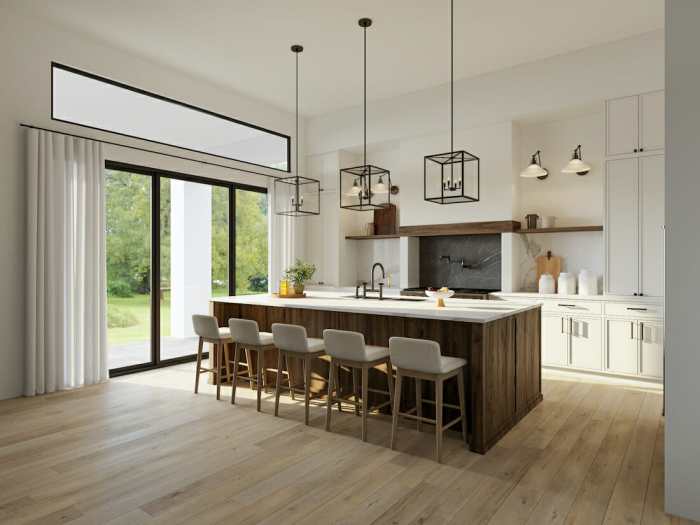
Embark on a journey of transforming your kitchen affordably with expert tips and budget-friendly ideas. Dive into the world of kitchen remodeling with cost-effective strategies that promise a stunning outcome.
Unveil the secrets to saving money while renovating your kitchen and explore the best materials for a wallet-friendly transformation.
Affordable Kitchen Remodeling
When it comes to remodeling a kitchen on a budget, there are several cost-effective ways to achieve a fresh look without breaking the bank. By following some tips and utilizing budget-friendly materials, you can save money while still transforming your kitchen into a functional and stylish space.
Cost-Effective Ways to Remodel a Kitchen
- Painting Cabinets Instead of Replacing Them: Instead of investing in new cabinets, consider giving your existing ones a fresh coat of paint. This can instantly update the look of your kitchen at a fraction of the cost.
- Updating Hardware and Fixtures: Swapping out old hardware, such as drawer pulls and faucets, can make a big impact on the overall appearance of your kitchen. Look for affordable options that match your desired style.
- Refurbishing Countertops: Instead of splurging on expensive countertops, consider refinishing or painting your current ones for a more budget-friendly option. There are various DIY kits available for this purpose.
Tips to Save Money During a Kitchen Renovation
- Plan and Budget Carefully: Create a detailed plan and budget for your kitchen renovation to avoid overspending. Stick to your budget by prioritizing essential upgrades and avoiding unnecessary expenses.
- Shop for Deals and Discounts: Look for sales, discounts, and clearance items when purchasing materials and appliances for your kitchen remodel. This can help you save a significant amount of money.
- Consider DIY Projects: To cut down on labor costs, consider taking on some DIY projects during your kitchen renovation. Tasks like painting, tiling, and installing fixtures can often be done yourself with the right tools and guidance.
Budget-Friendly Materials for Kitchen Remodeling
- Laminate Countertops: Laminate countertops are a cost-effective option that comes in various colors and patterns, mimicking the look of more expensive materials like granite or quartz.
- Vinyl Flooring: Vinyl flooring is a durable and affordable choice for kitchen remodels. It is available in a wide range of styles, including options that resemble hardwood or tile.
- Butcher Block: Butcher block countertops offer a warm and natural look to your kitchen at a lower price point compared to granite or marble. They can be a great alternative for those looking for a more budget-friendly option.
Home Inspections
Before diving into a kitchen remodeling project, it is crucial to conduct a thorough home inspection. This step is essential to identify any existing issues that may affect the renovation process and ensure a successful outcome.
Common Issues Found During Kitchen Inspections
- Leaks or water damage: Water damage can lead to mold growth and compromise the structural integrity of the kitchen.
- Inadequate ventilation: Poor ventilation can result in moisture buildup, leading to mold and mildew issues.
- Outdated electrical wiring: Old or faulty wiring can pose a fire hazard and may need to be updated for safety.
- Insufficient insulation: Inadequate insulation can result in energy loss and discomfort in the kitchen.
- Structural issues: Cracks, sagging floors, or other structural problems should be addressed before starting the renovation.
How Home Inspections Can Help Plan for a More Efficient Renovation
By conducting a home inspection before remodeling your kitchen, you can:
- Address any existing issues that may affect the renovation process.
- Identify areas that need improvement or repair to ensure the longevity of your new kitchen.
- Create a more accurate budget by accounting for necessary repairs or upgrades discovered during the inspection.
- Prioritize tasks based on the inspection findings to streamline the renovation process and avoid delays.
- Ensure that your new kitchen meets safety and building code requirements by addressing any issues uncovered during the inspection.
Kitchen Improvements
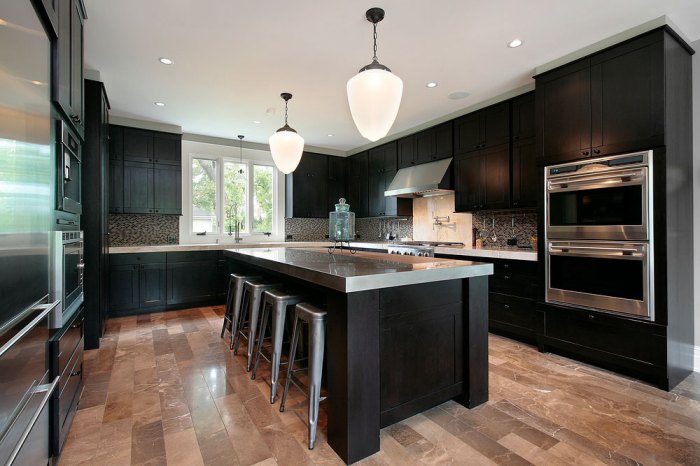
When it comes to improving your kitchen, there are various options to consider that can enhance both the functionality and aesthetics of the space. These improvements can range from simple changes to more extensive renovations, depending on your budget and goals.
Cabinet Refacing
One cost-effective way to update your kitchen is through cabinet refacing. This involves replacing just the doors and drawer fronts of your cabinets, while keeping the existing cabinet boxes. It can give your kitchen a fresh new look without the hefty price tag of completely replacing the cabinets.
Countertop Upgrades
Upgrading your countertops can make a significant impact on the overall look of your kitchen. Options like granite, quartz, or butcher block can not only enhance the aesthetic appeal but also increase the functionality of the space. Choose a material that suits your style and maintenance preferences.
Lighting Changes
Changing the lighting in your kitchen can also make a big difference. Adding under cabinet lighting, pendant lights over the island, or recessed lighting can improve visibility and create a more inviting atmosphere. Consider the different types of lighting fixtures to enhance both task lighting and ambient lighting in the kitchen.
Home Improvement and Furniture
When it comes to kitchen remodeling, the choice of furniture can significantly impact the overall look and feel of the space. Selecting the right pieces can enhance the design, functionality, and efficiency of your kitchen.
Integrating Furniture into Kitchen Design
- Consider multifunctional pieces: Opt for furniture that serves a dual purpose, such as kitchen islands with built-in storage or dining tables that can also be used as workspaces.
- Match the style: Ensure that the furniture you choose complements the overall design aesthetic of your kitchen, whether it’s modern, traditional, or eclectic.
- Think about space optimization: Select furniture that fits well within the layout of your kitchen, maximizing both storage and floor space.
Selecting Durable and Stylish Furniture for Kitchen Spaces
- Quality materials: Invest in furniture made from durable materials like wood, metal, or stone that can withstand the wear and tear of daily use in the kitchen.
- Ease of maintenance: Choose furniture that is easy to clean and maintain, especially in a high-traffic area like the kitchen.
- Timeless design: Opt for furniture with a timeless design that will not go out of style quickly, ensuring that your kitchen remains stylish for years to come.
Flooring
When it comes to kitchen flooring, it is essential to choose a durable and easy-to-maintain option that can withstand the high traffic and potential spills in the kitchen area.
Different Flooring Options
- Tile: Ceramic or porcelain tiles are popular choices for kitchen floors due to their durability and easy maintenance. They come in various colors, sizes, and patterns to suit different kitchen styles.
- Hardwood: Hardwood flooring adds warmth and elegance to the kitchen. It is durable but may require more maintenance to prevent scratches and water damage.
- Laminate: Laminate flooring is a cost-effective alternative to hardwood and tile. It is easy to install and maintain, but it may not be as durable as other options.
- Vinyl: Vinyl flooring is budget-friendly, waterproof, and easy to clean, making it a practical choice for kitchen floors. It comes in a variety of styles to mimic the look of wood or tile.
Installation Process
Before installing kitchen flooring, make sure to prepare the subfloor by cleaning and leveling it. Depending on the type of flooring chosen, the installation process may vary:
- Tile: Tiles are typically installed over a cement backer board using mortar or adhesive. Grout is then applied to fill the gaps between tiles.
- Hardwood: Hardwood flooring is usually nailed or glued to the subfloor. It is essential to acclimate the wood to the kitchen’s humidity levels before installation.
- Laminate: Laminate flooring comes in interlocking planks that are easy to install without the need for glue. The planks can be floated over the subfloor.
- Vinyl: Vinyl flooring can be installed as sheets, tiles, or planks depending on the style chosen. Adhesive is used to secure the flooring to the subfloor.
Maintenance Tips
- Clean up spills immediately to prevent staining or damage to the flooring.
- Regularly sweep or vacuum the kitchen floor to remove dirt and debris that can scratch the surface.
- Use mats or rugs in high-traffic areas to protect the flooring from wear and tear.
- Avoid using harsh chemicals or abrasive cleaners that can damage the finish of the flooring.
Green Living
When it comes to kitchen remodeling, incorporating eco-friendly elements is not only beneficial for the environment but also for your health and overall well-being. By choosing sustainable materials and products, you can create a green kitchen that reduces your carbon footprint and promotes a healthier lifestyle.
Sustainable Materials for a Green Kitchen
- Recycled Glass Countertops: These countertops are made from recycled glass and concrete, offering a unique and eco-friendly option for your kitchen remodel.
- Bamboo Flooring: Bamboo is a rapidly renewable resource that is durable and sustainable, making it an excellent choice for kitchen flooring.
- Energy-Efficient Appliances: Opt for appliances with an Energy Star rating to reduce energy consumption and lower your utility bills.
Benefits of Green Living in the Kitchen
- Improved Indoor Air Quality: Using non-toxic materials and products in your kitchen remodel can help improve indoor air quality and reduce the risk of respiratory issues.
- Cost Savings: Energy-efficient appliances and fixtures can help lower your energy bills over time, saving you money in the long run.
- Environmental Impact: By choosing sustainable materials and products, you are contributing to the preservation of the environment and reducing waste.
Interior Design and Decorating
When it comes to creating a cohesive design scheme for a remodeled kitchen, interior design and decorating play a crucial role in bringing the space together. From choosing the right colors and textures to optimizing the layout, every decision contributes to the overall look and feel of the kitchen.
Role of Color, Texture, and Layout
- Color: The choice of color can set the mood of the kitchen. Warm tones like shades of beige, brown, or yellow create a cozy atmosphere, while cool tones like blues and greens can make the space feel more refreshing.
- Texture: Incorporating different textures such as wood, metal, glass, or stone can add depth and visual interest to the kitchen. Mixing textures can create a dynamic and inviting space.
- Layout: The layout of the kitchen is essential for both functionality and aesthetics. An efficient layout that considers workflow and traffic flow can enhance the overall design of the space.
Trends in Kitchen Decor
- Minimalist Design: Simplistic and clutter-free designs are gaining popularity, focusing on functionality and clean lines.
- Smart Technology: Integration of smart appliances and gadgets for a more convenient and efficient kitchen experience.
- Natural Elements: Bringing in elements of nature such as plants, natural light, and organic materials for a fresh and inviting ambiance.
Bath and Shower
The connection between kitchen and bathroom remodels in home improvement projects is often overlooked, but these two areas are closely intertwined. Both spaces are essential for daily living and can greatly impact the overall value and functionality of a home.Shared design elements between kitchen and bathroom spaces include the use of similar materials, colors, and finishes to create a cohesive look throughout the home.
For example, coordinating the cabinetry in the kitchen with the vanities in the bathroom can help tie the two spaces together seamlessly.
Coordinating Kitchen and Bathroom Renovations
When planning a home renovation project, it’s important to consider both the kitchen and bathroom to achieve a cohesive look. Here are some ideas on how to coordinate kitchen and bathroom renovations:
- Consistent color palette: Choose a color scheme that works well in both spaces to create a harmonious flow throughout the home.
- Matching hardware and fixtures: Selecting similar hardware and fixtures for both the kitchen and bathroom can help create a unified look.
- Similar flooring: Using the same type of flooring in both spaces can help create a seamless transition between the kitchen and bathroom.
- Common design elements: Incorporating similar design elements, such as tile patterns or lighting fixtures, can help tie the two spaces together.
House Plans
When planning a kitchen remodeling project, it is essential to consider how it fits into the overall house plans. The kitchen is often the heart of the home, and its design should align with the rest of the house to create a cohesive and harmonious living space.
Importance of Alignment
Ensuring that the kitchen design aligns with the overall house plans is crucial for maintaining a consistent aesthetic throughout the home. A well-designed kitchen that complements the other living spaces can enhance the overall look and feel of the house.
- Choose materials and colors that match the existing decor in other parts of the house.
- Consider the flow of traffic between the kitchen and adjacent rooms to create a seamless transition.
- Coordinate the style of cabinetry, countertops, and appliances with the design elements in the rest of the house.
Feng Shui
Feng Shui is an ancient Chinese practice that focuses on creating harmonious environments by balancing the flow of energy, known as chi. When it comes to kitchen design, incorporating Feng Shui principles can help create a space that not only looks good but also feels good to be in.
Creating a Balanced Kitchen Space
Feng Shui in kitchen design emphasizes the importance of creating a space that promotes health, happiness, and abundance. Here are some tips on how to achieve a balanced and harmonious kitchen space using Feng Shui:
- Avoid clutter: Clutter can disrupt the flow of energy in your kitchen. Keep countertops clear and organized to allow chi to flow freely.
- Balance the elements: Incorporate all five elements – wood, fire, earth, metal, and water – in your kitchen design to create a balanced and harmonious space.
- Use bright lighting: Good lighting is essential in Feng Shui. Make sure your kitchen is well-lit to promote positive energy flow.
- Position your stove wisely: In Feng Shui, the stove represents wealth and abundance. Ensure that your stove is positioned so that you can see the door while cooking to symbolize being in control of your finances.
By incorporating these Feng Shui principles into your kitchen design, you can create a space that not only looks beautiful but also promotes positive energy flow and balance.
Heating and Air Conditioning
When it comes to kitchen comfort, the heating and air conditioning systems play a crucial role in maintaining the right temperature and air quality. A well-functioning HVAC system can enhance the overall cooking and dining experience in the kitchen.
Optimizing HVAC Systems during Kitchen Renovations
During kitchen renovations, it is essential to optimize the HVAC systems to ensure efficient heating and cooling. Here are some tips to consider:
- Proper Insulation: Make sure the kitchen is well-insulated to prevent heat loss and maintain a consistent temperature.
- Seal Leaks: Check for any leaks in the ductwork or windows and doors to prevent air from escaping, leading to energy wastage.
- Upgrade to Energy-Efficient Systems: Consider upgrading to energy-efficient heating and cooling systems to reduce energy consumption and lower utility bills.
- Zoning: Implement zoning in the HVAC system to control the temperature in different areas of the house, including the kitchen.
Energy-Efficient Heating and Cooling Solutions for Kitchens
When looking for energy-efficient heating and cooling solutions for kitchens, consider the following options:
- High-Efficiency HVAC Systems: Invest in high-efficiency HVAC systems that are designed to consume less energy while providing optimal heating and cooling.
- Smart Thermostats: Install smart thermostats that allow you to control the temperature remotely and adjust settings based on your schedule and preferences.
- Natural Ventilation: Utilize natural ventilation strategies such as opening windows and using ceiling fans to improve air circulation and reduce the reliance on HVAC systems.
- Solar Heating: Explore solar heating options to harness renewable energy sources and reduce the carbon footprint of your kitchen’s heating system.
Concluding our discussion on affordable kitchen remodeling, remember, with the right approach, you can achieve a beautiful kitchen without breaking the bank. Implement these tips and watch your kitchen come to life with style and savings.
Questions and Answers
How can I remodel my kitchen on a tight budget?
Consider cabinet refacing, countertop upgrades, or small lighting changes to make a big impact without overspending.
What materials are best for affordable kitchen remodeling?
Opt for laminate countertops, vinyl flooring, and RTA (ready-to-assemble) cabinets for cost-effective options.
Will kitchen improvements increase my home’s value?
Yes, upgrades like cabinet refacing and countertop changes can boost your home’s resale value significantly.
How do I maintain my kitchen floors in top condition?
Regularly sweep and mop your floors, avoid harsh chemicals, and promptly clean up any spills to keep them looking great.
Can I integrate green living elements into my kitchen remodel?
Absolutely! Consider energy-efficient appliances, sustainable materials, and eco-friendly paint for a green kitchen renovation.


