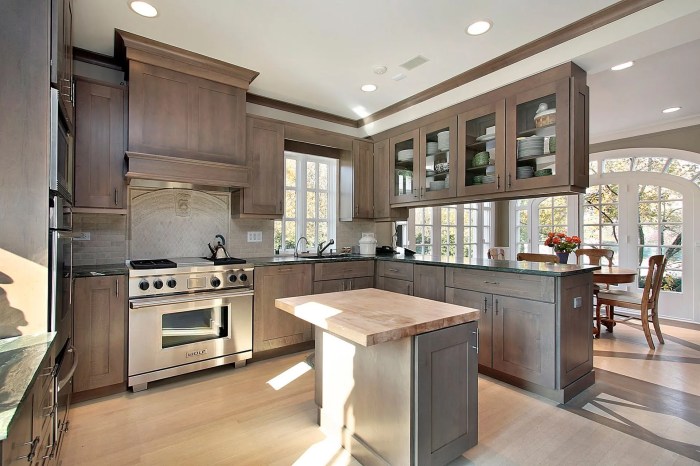
Embark on a journey towards a more sustainable kitchen with eco-friendly renovations. Explore innovative ideas, sustainable materials, and tips to reduce waste in this comprehensive guide.
Eco-friendly Kitchen Renovations
When it comes to eco-friendly kitchen renovations, the focus is on using sustainable materials, reducing waste, and minimizing environmental impact.
Sustainable Materials Used
- Bamboo: A fast-growing renewable resource that can be used for flooring, cabinets, and countertops.
- Recycled Glass: Creates unique and beautiful countertops while reducing waste.
- Reclaimed Wood: Adds character to kitchen cabinets and flooring, sourced from old buildings or furniture.
Benefits of Eco-friendly Renovations
- Reduced Environmental Impact: By using sustainable materials, you help conserve natural resources and reduce carbon footprint.
- Healthier Indoor Air Quality: Eco-friendly materials are often non-toxic and free from harmful chemicals, promoting a healthier living environment.
- Long-Term Cost Savings: Energy-efficient appliances and fixtures can help lower utility bills over time.
Tips for Reducing Waste
- Donate or Recycle: Instead of throwing away old cabinets or appliances, consider donating them to charity or recycling them.
- Plan Ahead: Proper planning can help minimize excess materials and avoid unnecessary waste during the renovation process.
- Use Reusable or Recyclable Packaging: Opt for materials that can be reused or recycled to reduce packaging waste.
Home Inspections
Before embarking on any kitchen renovation project, conducting a thorough home inspection is crucial to ensure a smooth and successful process. Home inspections help identify any existing issues that need to be addressed before starting the renovation, ultimately saving time and money in the long run.
Key Areas to Focus on During a Kitchen Inspection
- Check for water damage or leaks in plumbing fixtures.
- Inspect the electrical system for any outdated wiring or potential hazards.
- Assess the condition of the walls, floors, and ceilings for any signs of mold or structural damage.
- Examine the ventilation system to ensure proper airflow and ventilation in the kitchen space.
How Home Inspections Help in Planning Eco-Friendly Kitchen Renovations
- Identifying areas for energy efficiency improvements, such as replacing old appliances with eco-friendly models.
- Detecting potential sources of water wastage and implementing solutions like installing low-flow faucets and water-saving devices.
- Assessing the overall environmental impact of the current kitchen setup to determine the best eco-friendly renovation strategies.
Tips for Finding Qualified Home Inspectors
- Ask for recommendations from friends, family, or real estate professionals.
- Research online reviews and ratings of home inspection companies in your area.
- Verify that the inspector is certified and licensed to perform home inspections in your state.
- Request a sample inspection report to ensure thoroughness and attention to detail.
Kitchen Improvements
When it comes to improving the functionality of a kitchen, there are several innovative ideas that can be implemented to create a more efficient and sustainable space.
Energy-efficient appliances play a crucial role in kitchen improvements by reducing electricity consumption and lowering utility bills. Investing in appliances with high Energy Star ratings can help minimize environmental impact while saving money in the long run.
Proper Insulation for Eco-Friendly Kitchens
Proper insulation is essential for creating an eco-friendly kitchen. By insulating walls, floors, and ceilings, you can maintain optimal temperatures inside the kitchen without over-relying on heating or cooling systems. This not only reduces energy consumption but also enhances the overall comfort of the space.
Cost-Effective and Sustainable Kitchen Improvements
- Upgrading to LED lighting fixtures: LED lights are energy-efficient and have a longer lifespan compared to traditional incandescent bulbs.
- Installing low-flow faucets and aerators: These fixtures help conserve water by reducing flow rates without compromising water pressure.
- Replacing cabinet doors and drawer fronts: Instead of completely overhauling cabinets, updating the doors and fronts can give your kitchen a fresh look without the need for excessive materials.
- Opting for reclaimed or recycled materials: Using reclaimed wood or recycled glass for countertops and backsplashes can add unique character to your kitchen while promoting sustainability.
Home Improvement and Furniture
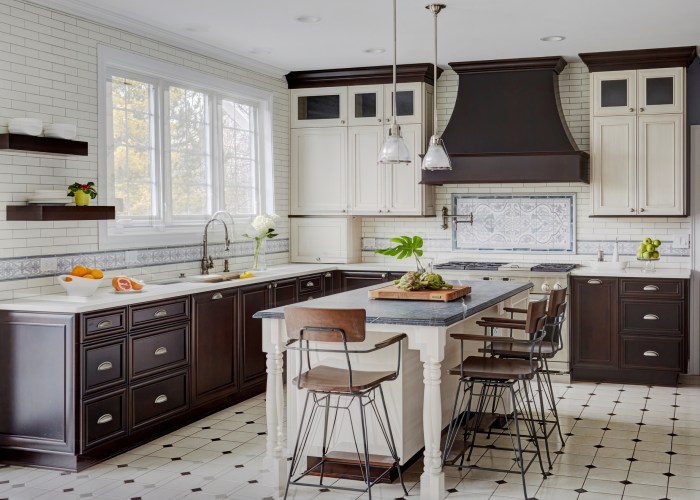
When it comes to home improvement projects, selecting sustainable furniture plays a crucial role in promoting eco-friendly practices and creating a healthier living environment. The furniture choices made during kitchen renovations can significantly impact the overall sustainability of a home, making it essential to consider eco-friendly options.
Tips for Incorporating Eco-Friendly Furniture into Kitchen Renovations
- Choose furniture made from reclaimed or recycled materials to reduce the demand for new resources.
- Opt for pieces that are certified sustainable by organizations like the Forest Stewardship Council (FSC) or the Sustainable Furnishings Council.
- Look for furniture that is free from harmful chemicals and toxins, such as formaldehyde-free finishes and low-VOC paints.
- Consider investing in timeless pieces that are durable and long-lasting, reducing the need for frequent replacements.
Impact of Furniture Choices on Home Sustainability
The furniture choices made in a home can have a significant impact on its overall sustainability. By selecting eco-friendly materials and supporting responsible manufacturing practices, homeowners can reduce their environmental footprint and contribute to a more sustainable future. Sustainable furniture not only benefits the planet but also creates a healthier indoor environment for occupants.
Examples of Eco-Friendly Materials Used in Furniture Making
- Bamboo: A fast-growing and renewable resource that is durable and versatile for furniture production.
- Reclaimed Wood: Salvaged wood from old structures or furniture that can be repurposed into new pieces, reducing waste and conserving resources.
- Recycled Plastic: Plastic waste can be transformed into durable and weather-resistant furniture, diverting materials from landfills.
- Cork: A sustainable material harvested from the bark of cork oak trees, known for its natural elasticity and durability in furniture design.
Flooring
When it comes to eco-friendly kitchen renovations, choosing the right flooring is crucial. Not only does it impact the overall look of the space, but it also plays a significant role in sustainability and indoor air quality.
There are several eco-friendly flooring options suitable for kitchens, each with its own set of benefits and considerations. Here, we will compare different sustainable flooring materials, discuss their durability and maintenance requirements, provide tips for selecting the right option for your kitchen renovation, and explore how eco-friendly flooring can contribute to a healthier indoor environment.
Comparing Eco-Friendly Flooring Options
- Bamboo Flooring: A renewable resource that is durable and easy to maintain. It is also resistant to moisture, making it ideal for kitchens.
- Cork Flooring: Known for its comfort underfoot and sound-absorbing properties. Cork is naturally antimicrobial and can be refinished to extend its lifespan.
- Linoleum Flooring: Made from natural materials like linseed oil, cork dust, and wood flour. It is durable, easy to clean, and available in a variety of colors and patterns.
- Recycled Glass Tile: A unique and sustainable option made from recycled glass. It is durable, easy to clean, and adds a touch of elegance to the kitchen.
Durability and Maintenance of Sustainable Flooring Materials
- Bamboo: Resistant to scratches and moisture, but may fade in direct sunlight. Regular sweeping and occasional mopping are usually sufficient for maintenance.
- Cork: Resilient to foot traffic and impacts, but can be damaged by sharp objects. Regular vacuuming and damp mopping are recommended for cleaning.
- Linoleum: Durable and resistant to stains, but may require occasional resealing. Sweeping and mopping with a pH-neutral cleaner can help maintain its appearance.
- Recycled Glass Tile: Highly durable and resistant to stains, but may require periodic resealing of the grout. Regular cleaning with a mild detergent is recommended.
Tips for Choosing the Right Eco-Friendly Flooring
- Consider the level of foot traffic in your kitchen to choose a flooring material that can withstand it.
- Think about the overall design and color scheme of your kitchen to select a flooring option that complements the space.
- Take into account your budget and maintenance preferences when deciding on the most suitable eco-friendly flooring.
- Consult with a professional installer to ensure proper installation and longevity of your chosen flooring material.
Benefits of Eco-Friendly Flooring for Indoor Environment
- Eco-friendly flooring materials are often made from natural, sustainable resources, reducing the environmental impact of your renovation.
- Many sustainable flooring options are low in VOCs (volatile organic compounds), contributing to better indoor air quality and a healthier living environment.
- Choosing eco-friendly flooring can help create a more comfortable and inviting kitchen space, while also promoting sustainability and responsible consumption.
Green Living
Green living is a lifestyle that prioritizes sustainability and eco-friendly practices to reduce the impact on the environment. When it comes to kitchen renovations, integrating green living principles can help create a more environmentally friendly and energy-efficient space.
Energy-Efficient Lighting
Energy-efficient lighting is crucial in promoting green living in the kitchen. By using LED or CFL light bulbs, homeowners can reduce energy consumption and lower electricity bills. Additionally, installing dimmer switches and sensors can help optimize lighting usage and further conserve energy.
Reducing Water Consumption
- Upgrade to water-efficient faucets and fixtures to reduce water wastage.
- Fix any leaks promptly to prevent unnecessary water loss.
- Consider installing a water filtration system to reduce the need for bottled water.
Green Living Certifications
There are several green living certifications for eco-friendly homes that homeowners can consider for their kitchen renovations:
Examples include LEED (Leadership in Energy and Environmental Design), ENERGY STAR, and Green Seal.
Interior Design and Decorating
When it comes to eco-friendly kitchen renovations, interior design and decorating play a crucial role in enhancing sustainability while creating a beautiful space.
Non-Toxic Paints and Finishes
Choosing non-toxic paints and finishes for kitchen decoration is essential to maintain indoor air quality and reduce harmful chemicals in your home. Look for products labeled as low VOC (volatile organic compounds) or zero VOC to minimize health risks.
Natural Light in Design
Natural light is a key element in eco-friendly interior design as it reduces the need for artificial lighting and energy consumption. Maximize natural light in your kitchen by installing energy-efficient windows, skylights, or using light-colored reflective surfaces to bounce light around the room.
Sustainable Decor Elements
- Use reclaimed wood or bamboo for cabinets and countertops to minimize environmental impact.
- Opt for energy-efficient LED lighting fixtures to reduce electricity usage and lower utility bills.
- Incorporate indoor plants to improve air quality and add a touch of nature to your kitchen.
- Choose eco-friendly materials like recycled glass tiles, cork flooring, or natural stone for backsplashes and flooring.
Bath and Shower
When it comes to eco-friendly kitchen renovations, it’s essential to consider sustainable options for the bath and shower area. This includes water-efficient fixtures, the use of recycled materials, proper ventilation, and eco-friendly cleaning products to maintain a healthy and environmentally conscious space.
Water-Efficient Fixtures
- Install low-flow faucets and showerheads to reduce water consumption in the kitchen sink and shower area.
- Consider aerators for faucets to mix air with water, maintaining water pressure while reducing overall usage.
- Opt for dual-flush toilets to control water flow based on waste type, promoting water efficiency.
Recycled Materials
- Utilize recycled glass tiles for backsplashes or shower walls to add a sustainable touch to the kitchen space.
- Choose reclaimed wood for bathroom vanities or shelving, reducing the demand for new materials.
- Consider eco-friendly countertops made from recycled materials like glass, paper, or concrete.
Proper Ventilation
Proper ventilation is crucial during kitchen renovations to ensure a healthy indoor environment. Installing range hoods with efficient ventilation systems can help remove cooking odors, moisture, and pollutants from the air, improving air quality and preventing mold growth.
Eco-Friendly Cleaning Products
- Opt for natural cleaning solutions like vinegar, baking soda, and lemon for kitchen and bathroom surfaces.
- Choose eco-friendly dish soaps, all-purpose cleaners, and laundry detergents that are biodegradable and non-toxic.
- Look for cleaning products with eco-friendly certifications like EPA Safer Choice or Green Seal to ensure environmental safety.
House Plans
Choosing the right house plan is crucial when it comes to facilitating eco-friendly kitchen renovations. The layout and design of the house can greatly impact the energy efficiency of the kitchen, promoting sustainability and reducing environmental impact.
Layout Considerations for Energy Efficiency
- Opt for an open layout to allow natural light to flow into the kitchen, reducing the need for artificial lighting during the day.
- Position windows strategically to maximize cross ventilation and reduce the need for air conditioning.
- Consider the placement of appliances to ensure efficient use of space and minimize energy consumption.
- Choose energy-efficient appliances and lighting fixtures to further reduce energy usage in the kitchen.
Designing an Open-Concept Kitchen for Sustainability
- Use sustainable materials for flooring, countertops, and cabinets to reduce environmental impact.
- Incorporate plenty of storage to keep the kitchen organized and clutter-free, promoting a more eco-friendly space.
- Install a water-efficient faucet and consider a composting system for food waste to further enhance sustainability.
- Create a seamless flow between the kitchen and dining/living areas to encourage interaction and reduce the need for additional heating or cooling.
Architectural Features for Natural Ventilation and Lighting
- Include skylights or light tubes to bring in natural light without compromising privacy or wall space.
- Install operable windows or vents to allow for fresh air circulation and reduce the reliance on mechanical ventilation systems.
- Consider a vaulted ceiling or clerestory windows to enhance natural light and create a more spacious feel in the kitchen.
- Integrate shading devices such as awnings or overhangs to prevent overheating and reduce the need for air conditioning.
Feng Shui
Feng Shui is an ancient Chinese practice that focuses on creating harmony and balance in living spaces. When applied to eco-friendly kitchen design, Feng Shui principles can enhance the energy flow and promote a sense of well-being in the heart of your home.
Creating a Harmonious Kitchen Space
- Avoid placing the stove directly opposite the sink to prevent conflicting water and fire elements. Instead, position them side by side or at least have a workspace in between.
- Introduce natural elements such as wooden countertops or plants to bring in positive energy and create a connection to nature.
- Ensure good lighting in the kitchen to brighten the space and uplift the energy. Natural light is ideal, but if not available, opt for full-spectrum lighting.
Decluttering and Organizing for Sustainability
- Keep countertops clear of clutter to allow energy to flow freely and create a sense of spaciousness. Utilize storage solutions to keep items out of sight.
- Regularly declutter and organize your kitchen to maintain a clean and peaceful environment. Donate or recycle items you no longer need to reduce waste.
- Consider the flow of movement in the kitchen and arrange furniture and appliances in a way that promotes ease of use and efficiency.
Feng Shui Elements for Positive Energy Flow
- Water: Incorporate water elements such as a small fountain or a bowl of water to symbolize abundance and prosperity.
- Earth: Use earthy tones and materials like clay pots or stone countertops to ground the space and create stability.
- Metal: Introduce metal elements through stainless steel appliances or decorative items to enhance focus and clarity in the kitchen.
Heating and Air Conditioning
Heating and air conditioning play a crucial role in eco-friendly kitchen renovations by significantly impacting energy consumption and indoor comfort levels. Energy-efficient systems not only reduce utility bills but also minimize the carbon footprint of the household.
Optimizing Heating and Air Conditioning for Energy Efficiency
- Regular maintenance of heating and cooling systems can improve their efficiency and prolong their lifespan.
- Installing programmable thermostats allows for better control over temperature settings, optimizing energy usage.
- Utilizing natural ventilation through strategically placed windows and vents helps reduce reliance on mechanical heating and cooling.
- Proper insulation in the kitchen area prevents heat loss in winter and keeps the space cool in summer, reducing the workload on HVAC systems.
Benefits of Proper Insulation
- Effective insulation maintains a consistent indoor temperature, enhancing comfort levels without excessive energy consumption.
- Reduced energy usage leads to lower utility bills and less strain on heating and cooling equipment, increasing their longevity.
- Preventing air leaks through insulation improves indoor air quality by reducing dust, pollen, and other pollutants from entering the living space.
Smart Thermostats and HVAC Systems for Sustainable Living
- Smart thermostats learn household patterns and adjust temperature settings accordingly, optimizing energy use without sacrificing comfort.
- Energy-efficient HVAC systems, such as geothermal heat pumps or ductless mini-split systems, offer sustainable heating and cooling solutions for eco-friendly kitchens.
- Zoned heating and cooling systems allow for customized temperature control in different areas of the house, reducing energy waste in unused spaces.
In conclusion, embracing eco-friendly kitchen renovations not only enhances the functionality of your space but also contributes to a healthier environment. Start your green kitchen transformation today!
FAQ Compilation
How can I incorporate eco-friendly materials into my kitchen renovation?
You can use sustainable materials like bamboo, reclaimed wood, or recycled glass for countertops, cabinets, and flooring.
Are there any government incentives for eco-friendly kitchen renovations?
Some regions offer tax credits or rebates for energy-efficient upgrades in your kitchen, so it’s worth checking with local authorities.
Can eco-friendly kitchen renovations increase the value of my home?
Yes, eco-friendly features can attract environmentally conscious buyers and potentially increase the resale value of your home.
What are some easy ways to reduce waste during eco-friendly kitchen renovations?
You can donate usable materials, recycle old appliances, and choose products with minimal packaging to reduce waste effectively.


