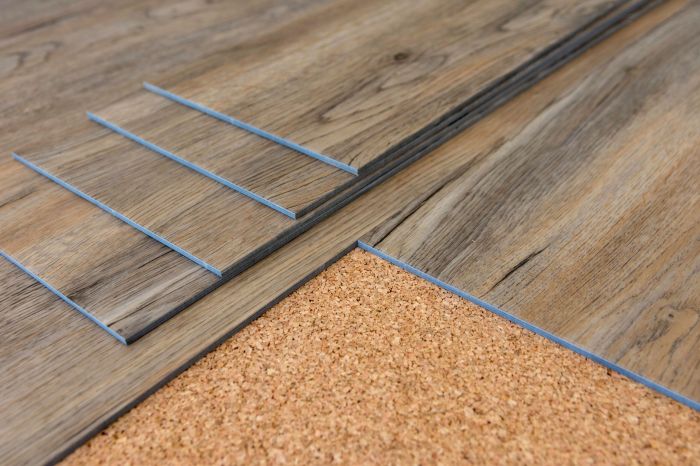
Embark on a journey through the world of affordable flooring solutions, exploring tips, benefits, different types, and creative DIY projects to transform your space on a budget.
Affordable Flooring Solutions

When it comes to flooring, finding budget-friendly options is essential for many homeowners. Not only does it help save money, but it also allows for more flexibility in design and renovation projects. Choosing cost-effective materials for flooring can have numerous benefits, including durability, easy maintenance, and versatility. Let’s explore some tips and ideas for affordable flooring solutions.
Types of Affordable Flooring Solutions
- Vinyl Flooring: Vinyl is a popular choice for affordable flooring due to its low cost, durability, and easy installation. It comes in a variety of styles, colors, and patterns, mimicking the look of wood, tile, or stone.
- Laminate Flooring: Laminate is another cost-effective option that offers the look of hardwood or tile at a fraction of the price. It is easy to clean, resistant to scratches, and suitable for high-traffic areas.
- Cork Flooring: Cork is a sustainable and affordable flooring option that provides comfort underfoot, sound insulation, and thermal properties. It is also resistant to mold, mildew, and pests.
- Engineered Wood Flooring: Engineered wood combines real wood veneer with plywood or high-density fiberboard, offering the beauty of hardwood at a lower cost. It is more stable than solid wood and can be installed in various environments.
DIY Affordable Flooring Projects
- Paper Bag Flooring: Create a unique and affordable flooring solution by using brown paper bags and glue to mimic the look of leather or stone. This DIY project is budget-friendly and allows for endless customization options.
- Plywood Plank Flooring: Cut plywood sheets into planks, sand them down, and stain or paint them for a rustic and inexpensive flooring option. This project is perfect for those looking to achieve a farmhouse or industrial style.
- Pallet Wood Flooring: Reclaim wooden pallets and transform them into a stylish and budget-friendly flooring solution. Sand the planks, seal them with polyurethane, and install them for a unique and eco-friendly look.
Home Inspections
Before installing new flooring, conducting thorough home inspections is crucial to ensure the longevity and functionality of the chosen flooring options.
Key Areas to Inspect in a Home
- Subfloor condition: Check for any signs of moisture, rot, or damage that may affect the stability of the new flooring.
- Existing flooring: Evaluate the current flooring material and condition to determine if it needs to be removed or if new flooring can be installed over it.
- Room usage: Consider the purpose of each room to determine the appropriate type of flooring that can withstand the level of foot traffic and activities.
- Moisture levels: Test for humidity and moisture levels in different areas of the house to prevent issues like mold growth or warping of the new flooring.
- Door clearances: Measure door clearances to ensure that the new flooring will not interfere with the opening and closing of doors.
Identifying Issues through Home Inspections
Home inspections can help uncover underlying issues such as uneven subfloors, termite damage, or plumbing leaks that may impact the choice of flooring. By addressing these issues beforehand, you can avoid costly repairs or replacements in the future.
Integrating Flooring Solutions based on Inspection Findings
- If the subfloor is uneven, consider leveling it before installing hardwood or tile flooring to prevent cracking or shifting.
- If moisture levels are high, opt for waterproof flooring options like vinyl or laminate that can withstand damp conditions.
- For rooms with heavy foot traffic, choose durable flooring materials such as porcelain tile or engineered hardwood to ensure longevity.
- If door clearances are limited, explore thinner flooring options like luxury vinyl planks or engineered wood that won’t raise the floor height significantly.
Kitchen Improvements
Affordable flooring solutions can truly transform the look and feel of a kitchen, making it a more inviting and functional space for homeowners and guests alike. By choosing cost-effective flooring options, you can enhance the overall aesthetic appeal while also improving the durability and maintenance of the kitchen area.
Enhanced Look and Durability
When it comes to kitchens, durability is key. Opting for affordable flooring solutions such as vinyl or laminate can provide a long-lasting and easy-to-clean surface that can withstand the daily wear and tear of cooking and foot traffic. These options are not only budget-friendly but also come in a variety of styles and colors to match any kitchen design.
Maintenance Tips
To keep your cost-effective kitchen flooring looking its best, regular sweeping and mopping are essential. Avoid using harsh chemicals or abrasive cleaners that can damage the surface. Additionally, placing rugs or mats in high-traffic areas can help protect the flooring from scratches and spills.
Impactful Projects
Many homeowners have successfully revamped their kitchens with affordable flooring solutions. For example, replacing outdated linoleum with modern vinyl planks instantly gave a kitchen a fresh and contemporary look. Another project involved installing laminate flooring that mimicked the appearance of hardwood, adding warmth and elegance to the space without breaking the bank.
Coordinating Design Elements
When choosing flooring for your kitchen, consider how it will complement other design elements such as cabinets, countertops, and backsplashes. For a cohesive look, opt for flooring that either contrasts or complements these features. For instance, pairing light wood flooring with dark cabinets can create a striking visual contrast, while matching the flooring color to the countertop can achieve a harmonious design.
Home Improvement and Furniture
When it comes to home improvement and furniture, flooring plays a crucial role in tying the overall design of a space together. The right flooring can complement various furniture styles and enhance the aesthetic appeal of your home.
Complementing Furniture with Flooring
- Choose hardwood floors for a classic and elegant look that pairs well with traditional or vintage furniture pieces.
- Opt for laminate or vinyl flooring for a more modern and versatile style that can complement contemporary furniture designs.
- Rugs and carpets can add warmth and texture to a room, creating a cozy atmosphere that complements both rustic and eclectic furniture styles.
Harmonizing Flooring with Furniture Materials and Colors
- Consider matching the color tones of your flooring with the furniture materials to create a cohesive look. For example, pair dark wood floors with rich leather furniture for a sophisticated feel.
- Contrast light-colored flooring with dark furniture pieces to create visual interest and balance in the room.
- If you have furniture with intricate patterns or bold colors, opt for neutral flooring to allow the furniture to stand out as the focal point of the space.
Creating a Cohesive Home Design
- Stick to a consistent design style throughout your home to ensure that your flooring and furniture choices harmonize seamlessly.
- Use area rugs to define separate living spaces within an open floor plan while tying together different furniture pieces and flooring materials.
- Experiment with layering different textures and materials to add depth and visual interest to your home design.
Flooring
When it comes to choosing the right flooring for your home, affordability, durability, and maintenance are key factors to consider. In this section, we will compare different types of flooring materials based on these criteria and explore the latest trends in affordable flooring solutions for modern homes.
Comparing Flooring Materials
- Laminate Flooring: Laminate flooring is a budget-friendly option that is easy to install and maintain. It is durable and resistant to scratches and stains, making it ideal for high-traffic areas.
- Vinyl Flooring: Vinyl flooring is another affordable choice that comes in a wide range of styles and colors. It is water-resistant and easy to clean, making it a popular option for kitchens and bathrooms.
- Engineered Hardwood: Engineered hardwood offers the look of real wood at a lower cost. It is more resistant to moisture and temperature changes than solid hardwood, making it suitable for basements and other areas prone to humidity.
- Porcelain Tile: Porcelain tile is a durable and low-maintenance flooring option that is available in a variety of designs. It is resistant to water, stains, and scratches, making it a versatile choice for different rooms in the house.
Latest Trends in Affordable Flooring
- One of the latest trends in affordable flooring solutions is the use of luxury vinyl planks or tiles that mimic the look of hardwood or stone at a fraction of the cost.
- Bamboo flooring is also gaining popularity as an eco-friendly and affordable option for homeowners looking for a sustainable flooring material.
- Stained concrete floors are another trend that offers a sleek and modern look while being cost-effective and easy to maintain.
Installing Budget-Friendly Flooring
- Prepare the subfloor by ensuring it is clean, dry, and level.
- Choose the right underlayment for your flooring type to provide cushioning and noise reduction.
- Follow the manufacturer’s instructions for installing the flooring material, whether it requires glue, click-lock installation, or floating floor installation.
- Trim the edges and transitions to give your flooring a polished finish.
Maintaining Affordable Flooring
- Regularly sweep or vacuum your floors to remove dirt and debris that can scratch the surface.
- Use a damp mop with a mild cleaner to clean the floors, avoiding excessive water that can damage certain materials.
- Place felt pads under furniture legs to prevent scratches and dents on the floor.
- Consider using area rugs in high-traffic areas to protect the flooring from wear and tear.
Green Living
When it comes to creating a more sustainable and eco-friendly home, one area to consider is the flooring. By choosing affordable green flooring options, you can not only reduce your carbon footprint but also contribute to a healthier environment.
Eco-Friendly Flooring Options
There are several eco-friendly flooring options available that are both affordable and sustainable. These include:
- Bamboo flooring, which is a renewable resource that grows quickly and can be harvested without causing harm to the environment.
- Cork flooring, made from the bark of cork oak trees, is a sustainable option that is durable and provides natural insulation.
- Linoleum flooring, which is made from natural materials like linseed oil, cork dust, and wood flour, is biodegradable and low in volatile organic compounds (VOCs).
Benefits of Green Flooring
Choosing environmentally friendly flooring materials for your home comes with several benefits, including:
- Improving indoor air quality by reducing the presence of harmful chemicals and allergens.
- Conserving natural resources and promoting sustainability in the construction industry.
- Reducing energy consumption by providing natural insulation and improving overall energy efficiency in your home.
Reducing Carbon Footprint
By selecting affordable green flooring solutions, you can significantly reduce your carbon footprint. Some tips to achieve this include:
- Opting for locally sourced materials to minimize transportation emissions.
- Choosing flooring products with recycled content to support the circular economy and reduce waste.
- Properly maintaining and caring for your green flooring to extend its lifespan and avoid premature replacement.
Applying Green Living Principles
Green living principles can be seamlessly integrated into your flooring choices. For example:
- Using non-toxic adhesives and finishes to avoid harmful off-gassing and maintain indoor air quality.
- Exploring reclaimed wood or salvaged materials for a unique and sustainable flooring option.
- Considering the life cycle of the flooring product and its environmental impact before making a purchase.
Interior Design and Decorating
When it comes to interior design and decorating, the choice of flooring plays a crucial role in defining the overall look and feel of a home. Affordable flooring solutions can have a significant impact on the aesthetics and functionality of a space.
Impact of Flooring on Interior Design
Flooring sets the foundation for the entire design scheme of a room. It can visually expand or contract the space, create a sense of warmth or coolness, and establish the style and mood of the room. The right flooring choice can tie together all the elements in a room, creating a cohesive and harmonious look.
Enhancing Visual Appeal and Ambiance
- Light-colored flooring can make a room feel more spacious and airy, while dark flooring adds a sense of coziness and intimacy.
- Textured flooring like hardwood or laminate can add depth and visual interest to a space, enhancing its overall appeal.
- The choice of flooring material can impact the acoustics of a room, absorbing or reflecting sound to create a specific ambiance.
Coordinating Flooring with Other Design Elements
When selecting flooring, it is essential to consider how it will complement the other design elements in the room. Here are some tips for coordinating flooring with other design elements:
- Choose flooring that complements the color palette of the room, creating a cohesive look.
- Consider the style of the room and select flooring that aligns with the overall design aesthetic, whether it’s modern, traditional, or eclectic.
- Balance different textures and materials in the room to create visual interest and a dynamic space.
Examples of Successful Interior Design Projects
In many interior design projects, affordable flooring solutions have played a key role in achieving stunning results. From elegant hardwood floors in a classic living room to trendy luxury vinyl tiles in a contemporary kitchen, the right flooring choice can transform a space and elevate its design.
Bath and Shower
When it comes to choosing affordable flooring solutions for bathroom and shower areas, there are several key considerations to keep in mind. It is important to prioritize water resistance and durability, as these areas are constantly exposed to moisture and humidity. Opting for materials that can withstand these conditions will ensure longevity and prevent costly repairs in the future.
Choosing Water-Resistant and Durable Materials
- Consider vinyl flooring: Vinyl is a budget-friendly option that is water-resistant and easy to maintain. It comes in a variety of styles and colors, allowing you to achieve the look you want without breaking the bank.
- Look into ceramic or porcelain tiles: These materials are known for their durability and water resistance, making them ideal for bathroom floors. They are also available in different designs, giving you flexibility in choosing the right style for your space.
- Explore laminate flooring: Laminate is a cost-effective alternative to hardwood or tile, offering water resistance and easy installation. With advancements in technology, laminate flooring now comes in realistic wood and stone finishes.
Maintaining and Cleaning Tips
- Regularly sweep or vacuum the floors to remove dirt and debris that can scratch the surface.
- Use a damp mop with a mild cleanser to clean the floors, avoiding harsh chemicals that can damage the material.
- Wipe up spills immediately to prevent water damage and staining.
- Consider applying a sealant to protect the floors from moisture and enhance their durability.
House Plans
Affordable flooring solutions play a crucial role in enhancing different house plans. The right flooring choice can significantly impact the overall layout and functionality of a home, creating a harmonious and inviting space.
Integration of Flooring into House Plans
When selecting flooring for specific house plans, it is essential to consider the overall design and style of the home. Different types of flooring can complement various architectural styles and enhance the aesthetic appeal of the space.
- For modern house plans, sleek and durable flooring options such as laminate or polished concrete can add a contemporary touch.
- In traditional house plans, hardwood floors bring warmth and elegance, creating a cozy atmosphere.
- In open concept house plans, seamless flooring choices like luxury vinyl planks or tiles can visually expand the space and create a cohesive look.
Budget-Friendly Flooring Options for Specific House Plans
Choosing budget-friendly flooring options is crucial for homeowners looking to renovate or build their dream home without breaking the bank. Here are some affordable flooring solutions that can suit specific house plans:
- Laminate flooring: A cost-effective alternative to hardwood, laminate flooring is durable, easy to install, and available in a wide range of styles to match various house plans.
- Vinyl flooring: Versatile and low-maintenance, vinyl flooring is budget-friendly and comes in various designs, including wood, stone, and tile looks, making it suitable for different house plans.
- Engineered wood flooring: Combining the natural beauty of hardwood with enhanced durability, engineered wood flooring is a budget-friendly option for homeowners seeking a high-end look for their house plans.
Enhancing Architectural Styles with Flooring
The right flooring choice can enhance the architectural style of a home, creating a cohesive and visually appealing space. Here are some examples of how flooring can complement different architectural styles in house plans:
- For Craftsman-style homes, hardwood flooring with intricate details and warm tones can highlight the craftsmanship and natural materials used in the design.
- In Mediterranean-style homes, terracotta tiles or natural stone flooring can capture the rustic charm and earthy colors of the architectural style.
- In Scandinavian-style homes, light wood flooring such as white oak or maple can enhance the minimalist design aesthetic and create a sense of airiness and light.
Feng Shui
Feng Shui is the ancient Chinese practice of harmonizing individuals with their surrounding environment. When it comes to choosing affordable flooring solutions, incorporating Feng Shui principles can help create a balanced and harmonious space in your home.Flooring materials play a crucial role in influencing the energy flow, or “chi,” within a room. By selecting the right flooring options, you can enhance the positive flow of energy and promote harmony in your living space based on Feng Shui principles.
Influencing Energy Flow
In Feng Shui, different flooring materials are believed to have varying effects on the energy flow within a space. For example, hardwood floors are often recommended for their warm and inviting energy, while tiles are associated with a more structured and stable energy. Consider these characteristics when choosing flooring options to align with Feng Shui principles.
Selecting Flooring Options
- Opt for natural materials like bamboo or cork, which are considered sustainable and harmonious in Feng Shui.
- Avoid flooring with sharp angles or harsh lines, as these can disrupt the flow of energy in a space.
- Choose flooring colors that reflect the five elements of Feng Shui (wood, fire, earth, metal, water) to create a balanced and harmonious environment.
Supporting Feng Shui Design
Affordable flooring choices, such as eco-friendly laminate or vinyl flooring, can still support a Feng Shui-inspired design. By incorporating elements like area rugs or carpets in specific colors and patterns, you can enhance the energy flow in your home while maintaining budget-friendly flooring solutions.
Heating and Air Conditioning
When it comes to flooring choices in relation to heating and air conditioning systems, it’s essential to consider factors such as insulation, energy efficiency, and indoor air quality. The type of flooring you choose can have a significant impact on how well your home is heated or cooled, as well as the overall comfort level and air quality.
Impact of Flooring Materials
- Carpeting: Offers good insulation and can help retain heat in a room, but can trap dust and allergens if not properly maintained.
- Hardwood: Provides a classic look and is easy to clean, but may not offer as much insulation as carpet.
- Tile: Can be cool underfoot in warmer months, but can also help keep a room cool in hot weather. It’s easy to clean and doesn’t trap allergens.
- Laminate: Offers a budget-friendly option with decent insulation properties, but can be noisy and may not be as durable as other flooring types.
Selecting Affordable Flooring Solutions
- Consider the climate in your area and choose flooring that will help regulate the temperature in your home.
- Opt for flooring materials that are easy to clean and maintain to improve indoor air quality.
- Look for energy-efficient flooring options that can help reduce heating and cooling costs in the long run.
Contribution to Comfortable Environment
- Properly installed and insulated flooring can help maintain a comfortable temperature in your home year-round.
- Choosing the right flooring materials can improve indoor air quality by reducing allergens and dust buildup.
- By selecting affordable flooring solutions that work well with your heating and cooling systems, you can create a cozy and climate-controlled living space for you and your family.
In conclusion, affordable flooring solutions offer a cost-effective way to enhance your home’s aesthetics and functionality. With the right materials and ideas, you can achieve a stylish look without breaking the bank.
FAQ Compilation
How can I find budget-friendly flooring options?
You can explore discounted sales, shop during promotions, consider laminate or vinyl options, or even look for second-hand materials.
What are the benefits of choosing cost-effective materials for flooring?
Cost-effective materials save money, offer durability, and can still provide a stylish look for your space.
How do I maintain affordable flooring for longevity?
Regular cleaning, using appropriate cleaning products, and addressing any issues promptly can help maintain affordable flooring in good condition.
Can I install affordable flooring solutions myself?
Yes, many affordable flooring options come in DIY-friendly formats, allowing you to save on installation costs by doing it yourself.
Are there eco-friendly affordable flooring options available?
Absolutely, you can explore sustainable materials like bamboo, cork, or reclaimed wood for eco-friendly and budget-friendly flooring choices.


