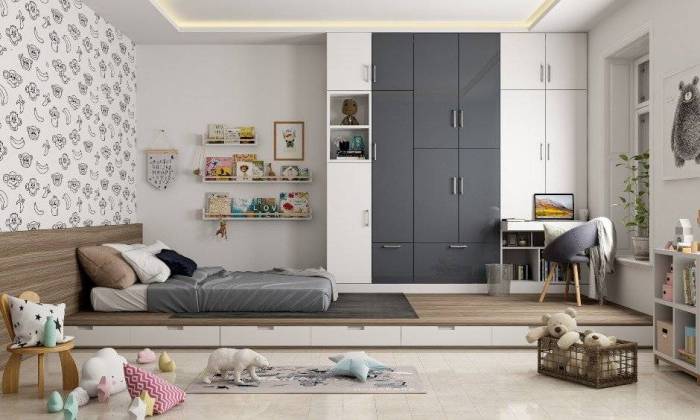
When it comes to furnishing kids’ rooms, the right furniture can make all the difference. From safety to style, discover how to create a space that is both functional and fun.
Explore the key factors to consider and get tips on selecting the best pieces for your child’s room.
Furniture for Kids’ Rooms
Choosing age-appropriate furniture for kids’ rooms is crucial as it not only contributes to the overall aesthetics of the space but also plays a significant role in the safety and functionality of the room. Kids have specific needs and requirements that should be considered when selecting furniture for their rooms.
Key Factors to Consider
- Safety: Opt for furniture with rounded edges, secure anchoring to prevent tipping, and non-toxic materials.
- Functionality: Choose furniture pieces that serve multiple purposes, such as storage beds or desks with built-in shelves.
- Style: Involve your kids in the decision-making process to ensure the furniture reflects their personality and preferences.
Tips for Creating a Fun and Functional Space
- Include colorful and playful elements in the furniture design to stimulate creativity and imagination.
- Utilize space-saving solutions like bunk beds or loft beds to maximize floor space for play areas.
- Invest in quality furniture that can grow with your child, considering their changing needs and interests over time.
Home Inspections
Home inspections are a crucial step in the process of buying or selling a property. They provide an in-depth evaluation of the condition of a home, helping both buyers and sellers make informed decisions.
Main Areas Covered During a Home Inspection
- Structural integrity: This includes assessing the foundation, walls, roof, and overall stability of the structure.
- Electrical systems: Inspectors check the wiring, outlets, circuit breakers, and other components to ensure they are safe and up to code.
- Plumbing: The plumbing system is examined for leaks, water pressure, drainage, and proper functioning of fixtures.
- HVAC systems: Heating, ventilation, and air conditioning systems are inspected to ensure they are working efficiently and safely.
- Appliances: Inspectors may test appliances such as the dishwasher, stove, and refrigerator to ensure they are in working condition.
Common Issues During a Home Inspection
- Water damage: Leaks, mold, and water stains are common issues that can be discovered during a home inspection. Addressing these issues promptly is essential to prevent further damage.
- Roof problems: Issues with the roof, such as missing shingles or leaks, can be a red flag during an inspection. Repairs or replacements may be necessary.
- Pest infestations: Inspectors may find signs of pests like termites or rodents, which can cause damage to the property. Professional extermination may be required.
- Electrical issues: Outdated wiring, overloaded circuits, or faulty electrical systems can pose safety hazards. It’s important to address these issues for the safety of the occupants.
Kitchen Improvements
When it comes to improving a kitchen space, there are several key areas to focus on in order to create a more functional and visually appealing environment. From upgrading countertops and cabinets to incorporating the latest design trends, there are plenty of options to consider.
Upgrading Countertops
- Consider replacing old laminate countertops with durable and stylish options like granite or quartz.
- Look for budget-friendly alternatives such as butcher block or concrete countertops for a unique and modern look.
- Upgrade to a larger countertop surface area to provide more workspace for meal preparation and cooking.
Updating Cabinets
- Repaint or refinish existing cabinets for a fresh new look without the cost of completely replacing them.
- Install new hardware such as handles and knobs to instantly update the appearance of your cabinets.
- Consider adding open shelving or glass-front cabinets to create a more open and airy feel in the kitchen.
Incorporating Latest Trends
- Opt for a minimalist design with clean lines and sleek finishes for a modern and timeless look.
- Integrate smart appliances and technology for added convenience and efficiency in the kitchen.
- Add pops of color with vibrant accents or statement pieces to inject personality and style into the space.
Budget-Friendly Tips
- Shop for gently used appliances or fixtures at thrift stores or online marketplaces to save money without sacrificing quality.
- DIY projects like painting cabinets or installing a tile backsplash can provide a cost-effective way to update your kitchen.
- Focus on small changes like replacing outdated lighting fixtures or faucets to make a big impact on the overall look of the kitchen.
Home Improvement and Furniture
When it comes to home improvement projects, the choice of furniture plays a crucial role in defining the overall look and feel of a space. The right furniture pieces can enhance the aesthetic appeal, functionality, and comfort of a home, making it a more inviting and pleasant place to live in.
Here are some ways in which choosing the right furniture can transform different spaces within a home:
Living Room Transformation
- Investing in a comfortable and stylish sofa set can instantly upgrade the look of the living room, creating a cozy and inviting ambiance for both residents and guests.
- Adding a statement coffee table or a set of matching accent chairs can elevate the overall aesthetic of the space, making it more visually appealing and functional.
- Strategically placing shelves or bookcases can not only provide additional storage but also serve as decorative elements to showcase personal items or art pieces.
Bedroom Makeover
- Choosing a bed frame that complements the style of the room can create a focal point and enhance the overall theme of the bedroom.
- Incorporating a spacious wardrobe or dresser can help declutter the space and create a more organized and relaxing environment.
- Adding a cozy armchair or a vanity table can introduce a touch of luxury and comfort to the bedroom, perfect for unwinding after a long day.
Dining Area Enhancement
- Selecting a dining table that suits the size of the room and the number of occupants can make meal times more enjoyable and comfortable for everyone.
- Matching the dining chairs with the table or opting for a mix-and-match style can add personality and character to the dining area, creating a unique and inviting space for gatherings.
- Incorporating a sideboard or buffet can not only provide extra storage for dining essentials but also serve as a decorative piece to enhance the overall ambiance of the room.
Flooring
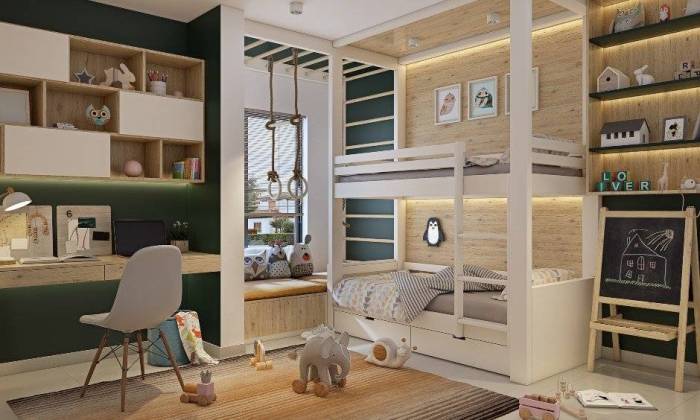
When it comes to flooring options for different rooms in a house, there are several choices available to suit various needs and preferences. Selecting the right flooring material is crucial as it can significantly impact the overall look, feel, and functionality of a space. Additionally, proper maintenance is essential to ensure that the flooring remains in top condition for years to come.
Types of Flooring
- Hardwood: Known for its durability and timeless appeal, hardwood flooring is a popular choice for living rooms, bedrooms, and dining areas. It can be refinished multiple times to maintain its beauty.
- Laminate: A more affordable alternative to hardwood, laminate flooring is easy to install and comes in a variety of styles that mimic the look of wood, tile, or stone.
- Carpet: Ideal for bedrooms and cozy living spaces, carpet provides warmth and comfort underfoot. It comes in a range of colors and textures to suit different preferences.
- Tile: Perfect for high-traffic areas like kitchens and bathrooms, tile flooring is durable, water-resistant, and easy to clean. It is available in ceramic, porcelain, and natural stone options.
Tips for Selecting Flooring
- Consider your lifestyle and the room’s function when choosing a flooring material. For example, high-traffic areas may require more durable options like tile or hardwood.
- Take your budget into account and explore cost-effective alternatives that still provide the desired look and quality.
- Consult with flooring experts to get recommendations based on your specific needs and preferences.
Maintenance Tips for Flooring
- Regularly sweep or vacuum your floors to remove dirt and debris that can scratch or damage the surface.
- Use mats or area rugs in high-traffic areas to protect the flooring from wear and tear.
- Clean up spills promptly to prevent staining and damage to the flooring material.
- Follow manufacturer’s guidelines for cleaning and maintenance to ensure the longevity of your floors.
Green Living
Green living is a lifestyle that prioritizes sustainability, conservation of resources, and environmental responsibility. By making conscious choices in our daily lives, we can reduce our carbon footprint and minimize our impact on the planet.
Eco-Friendly Furniture Options
When it comes to furniture, there are plenty of eco-friendly options available that contribute to sustainable living. These include:
- Choosing furniture made from reclaimed or recycled materials
- Opting for pieces that are certified sustainable by organizations like the Forest Stewardship Council (FSC)
- Investing in furniture that is durable and long-lasting to reduce waste
- Selecting pieces that are free from harmful chemicals and toxins
Incorporating Green Elements into Home Decor
There are also various ways to incorporate green elements into your home decor and furniture choices, such as:
- Using energy-efficient lighting and appliances to reduce electricity consumption
- Adding indoor plants to improve air quality and bring a touch of nature indoors
- Choosing organic and natural materials for bedding, curtains, and upholstery
- Repurposing old furniture or decor items instead of buying new ones
Interior Design and Decorating
When it comes to interior design and decorating, furniture plays a crucial role in shaping the overall look and feel of a space. The right furniture pieces can enhance the style and functionality of a room, while the wrong choices can throw off the entire design.
Popular Interior Design Styles and Furniture
- Modern: Characterized by clean lines, minimalism, and a focus on functionality, modern interior design often features sleek furniture pieces made of materials like metal, glass, and leather.
- Traditional: Rich textures, ornate details, and classic furniture silhouettes are key elements of traditional design. Think of plush sofas, elegant dining tables, and intricate woodwork.
- Mid-Century Modern: With a retro vibe and a focus on organic shapes and materials, mid-century modern style incorporates iconic furniture designs from the 1950s and 60s like the Eames Lounge Chair or the Tulip table.
Tips for Creating a Cohesive Space
- Consider the scale and proportion of furniture in relation to the room size to ensure a balanced look.
- Choose a cohesive color palette and mix different furniture styles thoughtfully to add visual interest.
- Pay attention to the layout and flow of the room, leaving enough space for easy movement and ensuring furniture placement complements the room’s function.
Bath and Shower
When it comes to designing a bathroom, choosing the right fixtures and furniture is crucial for both functionality and aesthetics. The bathroom is a space where we start and end our day, so it should be comfortable, organized, and visually appealing.
Optimizing Space in a Small Bathroom
In a small bathroom, making the most of the available space is essential. Opt for space-saving fixtures like wall-mounted sinks, toilets, and storage units. Consider using corner shelves or cabinets to utilize vertical space. Mirrors can also create the illusion of a larger area.
Latest Trends in Bathroom Design
Bathroom design trends are constantly evolving, influencing furniture selection. Currently, minimalist and modern styles are popular, with clean lines and neutral colors dominating. Freestanding tubs, walk-in showers, and smart technology integrated into bathroom fixtures are also on-trend. Incorporating natural elements like wood and plants can add warmth and tranquility to the space.
House Plans
Having a well-thought-out house plan is crucial before embarking on any home improvement projects. A house plan serves as a blueprint for your home, outlining the layout, dimensions, and design elements that will guide the construction and renovation process.Different types of house plans cater to various lifestyles and preferences. For example, a single-story ranch-style house plan may be more suitable for individuals with mobility issues or those who prefer easy access to all living spaces on one level.
On the other hand, a multi-story house plan with separate living areas may be ideal for families looking for privacy and space.Customizing house plans allows homeowners to tailor the design to meet specific needs and preferences. This could involve adding extra rooms, adjusting room sizes, or incorporating energy-efficient features. By customizing a house plan, homeowners can create a space that truly reflects their lifestyle and vision for their home.
Types of House Plans
- Ranch-style house plans: Ideal for individuals with mobility issues or those looking for easy access to all living spaces on one level.
- Multi-story house plans: Suitable for families seeking privacy and space, with separate living areas on different floors.
- Modern house plans: Focus on open floor plans, large windows, and innovative design elements for a contemporary living experience.
Feng Shui
Feng Shui is an ancient Chinese practice that focuses on creating harmony and balance in living spaces through the arrangement of furniture and decor. By incorporating Feng Shui principles into your home design, you can promote positive energy flow and create a more peaceful environment.
Key Principles of Feng Shui
Feng Shui emphasizes the importance of decluttering and organizing your space to allow energy, or chi, to flow freely. Here are some key principles to consider when arranging furniture for a harmonious space:
- Avoid placing furniture directly in line with doors, as this can disrupt energy flow. Position furniture at an angle or against a wall to create a sense of stability.
- Use the Bagua map to determine the optimal placement of furniture based on different areas of your home and corresponding elements.
- Balance is key in Feng Shui, so ensure that furniture is evenly distributed throughout the room to promote a sense of equilibrium.
- Incorporate natural elements like plants, water features, and natural materials into your decor to enhance the flow of positive energy.
Tips for Incorporating Feng Shui
To incorporate Feng Shui practices into your home decor and furniture layout, consider the following tips:
- Keep your space clean and clutter-free to allow energy to circulate freely.
- Choose furniture with rounded edges and organic shapes to promote a sense of harmony and balance.
- Use mirrors strategically to reflect light and energy throughout the room.
- Consider the colors of your furniture and decor, as different colors can evoke different emotions and energies.
Heating and Air Conditioning
Proper heating and air conditioning systems are crucial components of a comfortable and healthy home environment. They help regulate temperature, humidity levels, and air quality, ensuring that occupants are safe and comfortable year-round.
Selecting Energy-Efficient Heating and Cooling Options
When choosing heating and cooling systems for your home, opt for energy-efficient options to reduce utility costs and minimize environmental impact. Consider the following tips:
- Look for systems with high Energy Star ratings to ensure optimal energy efficiency.
- Invest in programmable thermostats to control temperature settings based on your schedule and preferences.
- Consider installing a heat pump or geothermal heating system for more sustainable heating solutions.
- Regularly maintain and clean your HVAC systems to ensure they operate efficiently.
Impact of Furniture Placement on Heating and Air Conditioning Systems
The layout and placement of furniture in your home can significantly impact the effectiveness of your heating and air conditioning systems. Here are some factors to consider:
- Avoid blocking air vents with furniture to ensure proper airflow and distribution of heated or cooled air.
- Strategically place furniture away from windows and exterior walls to prevent heat loss or gain.
- Consider rearranging furniture to optimize air circulation and maintain consistent temperatures throughout your home.
Transform your child’s room into a magical space with the perfect furniture pieces. From bunk beds to colorful storage solutions, make their room a place they’ll love to spend time in.
FAQ Corner
Is it important to choose age-appropriate furniture for kids’ rooms?
Absolutely. Age-appropriate furniture ensures safety and comfort for your child as they grow.
How can I create a fun and functional space with the right furniture pieces?
Consider versatile pieces like bunk beds with storage or colorful desks to add both fun and functionality to the room.


