
Embark on a journey through the world of home improvement with a focus on the best flooring options. Dive into a realm of knowledge that will enhance your living space and elevate your home aesthetics.
Explore the importance of flooring in home inspections, kitchen enhancements, furniture selection, and more as we delve into the realm of interior design and decor.
Home Inspections
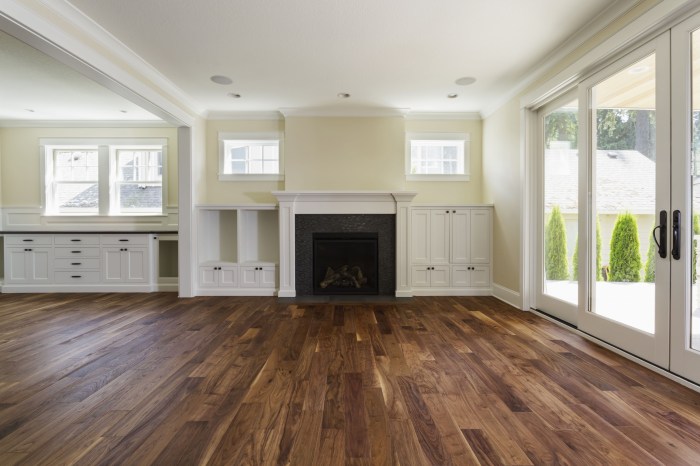
When it comes to home inspections, the flooring plays a crucial role in determining the overall condition of a property. Inspectors pay close attention to the flooring as it can reveal underlying issues that may need immediate attention. Whether you are buying, selling, or simply maintaining your home, having quality flooring is essential for passing inspections and ensuring the longevity of your property.
Importance of Flooring in Home Inspections
During a home inspection, flooring is one of the first things inspectors look at. The type, condition, and installation of flooring can provide valuable insights into the overall maintenance and care of a property. Issues with flooring can indicate water damage, mold, pest infestations, structural problems, or safety hazards. By addressing flooring issues promptly, homeowners can prevent further damage and maintain a safe and healthy living environment.
Common Flooring Issues Inspectors Look For
- Water damage: Stains, warping, or discoloration on flooring can indicate water leaks or flooding.
- Cracked or uneven flooring: Signs of foundation issues or structural damage.
- Worn-out or damaged flooring: Indicates lack of maintenance or heavy wear and tear.
- Mold or mildew growth: Indicates poor ventilation or water damage.
- Noise or squeaks: Indicates poor installation or structural issues.
Tips for Maintaining Flooring to Pass Inspection Standards
- Regular cleaning and maintenance: Keep flooring clean and free from debris to prevent damage.
- Address any spills or leaks promptly: Avoid water damage and mold growth by cleaning up spills immediately.
- Inspect for signs of wear and tear: Repair or replace damaged flooring to maintain safety and aesthetics.
- Use rugs or mats in high-traffic areas: Protect flooring from excessive wear and tear.
- Follow manufacturer’s maintenance guidelines: Proper care and maintenance can prolong the life of your flooring.
Kitchen Improvements
When it comes to kitchen improvements, choosing the right flooring can make a significant impact on the overall aesthetic appeal of the space. The kitchen is often the heart of the home, where families gather and meals are prepared, so it’s essential to select flooring that not only looks good but is also practical and durable.
Flooring Options for Kitchens
- Tile: Tile flooring is a popular choice for kitchens due to its durability and ease of maintenance. It comes in a wide range of colors, patterns, and styles, allowing you to create a custom look for your kitchen. Additionally, tile is resistant to water and stains, making it ideal for a high-traffic area like the kitchen.
- Hardwood: Hardwood flooring adds warmth and elegance to a kitchen, creating a timeless and classic look. While hardwood is not as water-resistant as tile, it can still be a suitable option with proper maintenance and sealing. It’s important to choose a hardwood species that can withstand the conditions of a kitchen, such as oak or cherry.
- Laminate: Laminate flooring is a budget-friendly alternative to hardwood or tile, offering a similar look at a lower cost. It is easy to install and maintain, making it a practical choice for busy kitchens. Laminate is also more resistant to scratches and dents compared to hardwood, making it a durable option for families with children or pets.
Coordinating Flooring with Cabinets and Countertops
When selecting flooring for your kitchen, it’s essential to consider how it will coordinate with your existing cabinets and countertops to achieve a cohesive look. For example, if you have dark cabinets and countertops, you may want to choose a lighter flooring option to create contrast and balance in the space. Alternatively, if you have light cabinets and countertops, a darker flooring choice can add depth and richness to the room.
It’s also important to consider the overall style of your kitchen, whether it’s modern, traditional, or farmhouse, to ensure that the flooring complements the existing design elements.
Home Improvement and Furniture
When it comes to home improvement, the choice of flooring can greatly impact the overall look and feel of a space. Flooring not only sets the foundation for a room but also influences furniture selection and placement.
Influence of Flooring on Furniture Selection and Placement
One of the key considerations when choosing flooring is how it will complement the furniture in a room. Here are some tips on how to match flooring with various furniture styles for a harmonious home decor:
- For hardwood floors, consider pairing them with classic or traditional furniture pieces for a timeless look.
- If you have carpet flooring, opt for furniture with legs to prevent the space from feeling too heavy or overwhelming.
- Tile floors work well with modern or contemporary furniture styles, creating a sleek and polished aesthetic.
- When selecting area rugs, make sure they complement both the flooring and furniture to tie the room together.
Impact of Flooring on Room Ambiance and Furniture Interaction
The type of flooring you choose can significantly impact the overall ambiance of a room and how furniture interacts within the space. Consider the following:
- Light-colored flooring can make a room feel more spacious and airy, while dark flooring can create a cozy and intimate atmosphere.
- Hard surfaces like hardwood or tile can help furniture glide easily, while carpeted floors provide a softer feel underfoot.
- Textured flooring can add depth and visual interest to a room, enhancing the look of different furniture pieces.
- Ensure that the height of furniture complements the flooring height to maintain a balanced and cohesive look.
Flooring
When it comes to home improvement, choosing the right flooring is essential for both aesthetic appeal and functionality. Different flooring materials offer unique characteristics that can suit various areas of the house based on their specific needs.
Hardwood Flooring
Hardwood flooring is highly durable and adds a timeless elegance to any space. It is relatively easy to clean and can be refinished multiple times, extending its lifespan. However, hardwood flooring can be expensive upfront and may require regular maintenance to preserve its appearance.
Laminate Flooring
Laminate flooring is a cost-effective alternative to hardwood, offering a similar look at a lower price point. It is easy to install and maintain, making it a popular choice for high-traffic areas. However, laminate flooring is not as durable as hardwood and may need to be replaced sooner.
Tile Flooring
Tile flooring is known for its water resistance, making it an ideal choice for bathrooms and kitchens. It comes in a variety of styles, colors, and patterns, allowing for endless design possibilities. While tile flooring is durable and easy to clean, it can be cold underfoot and may require regular grout maintenance.
Carpet Flooring
Carpet flooring provides warmth and comfort, making it a cozy option for bedrooms and living rooms. It comes in a wide range of colors and textures to suit any decor style. However, carpet can trap dust and allergens, requiring frequent vacuuming and professional cleaning.Consider the specific needs of each area in your home when choosing the best flooring option. For high-traffic areas like living rooms, hardwood or laminate flooring may be more suitable for durability.
In bedrooms, carpet flooring can add a cozy touch, while tile flooring is ideal for moisture-prone areas like bathrooms.
Furniture
When it comes to choosing furniture for your home, the type of flooring you have plays a significant role in determining the materials and colors that will work best. Coordinating furniture with flooring patterns and textures can help create a cohesive and balanced room design.
Influences of Flooring on Furniture Choices
The type of flooring you have can influence the choice of furniture materials and colors in several ways. For example, if you have dark hardwood floors, you may want to opt for lighter colored furniture to create a contrast and prevent the room from feeling too dark and heavy. On the other hand, if you have light-colored carpeting, you may want to choose furniture with darker tones to add warmth and depth to the space.
Creating a Balanced Room Design
- For rooms with busy or intricate flooring patterns, it’s best to keep furniture simple and streamlined to avoid overwhelming the space.
- If you have a neutral-colored flooring, you can experiment with bold and colorful furniture pieces to add interest and personality to the room.
- Matching the tone of the furniture to the undertones of the flooring can help create a cohesive look throughout the space.
Examples of Furniture Arrangements
- For rooms with light-colored tile flooring, consider pairing it with dark wood furniture to create a striking contrast.
- If you have dark hardwood floors, opt for light-colored furniture to create a sense of lightness and airiness in the room.
- Rooms with patterned carpeting can benefit from solid-colored furniture pieces to balance out the visual busyness of the floor.
Green Living
Green living is all about making environmentally conscious choices, including when it comes to the flooring in your home. By opting for eco-friendly options like bamboo, cork, or reclaimed wood, you can reduce your carbon footprint and create a more sustainable living space.
Eco-Friendly Flooring Options
When choosing flooring materials for your home, consider options that have a minimal impact on the environment. Bamboo is a fast-growing renewable resource that can be harvested without causing damage to the ecosystem. Cork is another sustainable option, as it is harvested from the bark of cork oak trees without harming the tree itself. Reclaimed wood is a great choice for those looking to repurpose old materials and reduce the demand for new timber.
Environmental Impact and Sustainability
Different flooring materials have varying environmental impacts, from production to installation and maintenance. It’s important to consider factors such as resource depletion, energy consumption, and emissions when selecting flooring for your home. By choosing sustainable materials and practices, you can help reduce your environmental footprint and contribute to a greener future.
Tips for Creating a Green Living Space
In addition to choosing eco-friendly flooring options, there are other ways to make your home more sustainable. Consider using non-toxic finishes and adhesives, as well as implementing energy-efficient heating and cooling systems. Regular maintenance, such as proper cleaning and sealing of floors, can also help prolong the lifespan of your flooring and reduce the need for replacements.
Interior Design and Decorating
When it comes to interior design and decorating, flooring plays a crucial role as the foundation of a room’s aesthetic appeal. The type, color, and texture of the flooring can greatly impact the overall look and feel of a space.
The Role of Flooring in Setting the Tone
- Modern Style: Sleek and polished flooring like hardwood or large-format tiles can complement a modern design aesthetic, creating a clean and sophisticated look.
- Traditional Style: Rich hardwood floors or intricate patterned carpets can enhance a traditional design, adding warmth and elegance to the room.
- Minimalist Style: Simple and understated flooring such as concrete or light-colored hardwood can contribute to a minimalist design, keeping the focus on clean lines and uncluttered spaces.
Creating Visual Interest and Focal Points
Flooring can also be used strategically to create visual interest and focal points in a room. Here are some examples:
- Using a bold patterned tile or colorful rug to draw attention to a specific area of the room, like a cozy reading nook or dining area.
- Installing a statement-making hardwood floor with unique grain patterns or inlays to make a lasting impression in a grand entryway or living room.
- Contrasting different types of flooring materials, like combining hardwood with tile or carpet, to delineate different zones within an open-concept space.
Bath and Shower
When it comes to bathroom and shower flooring, choosing the right type is crucial for maintaining a safe and durable space. Water-resistant flooring is essential to prevent damage from moisture and mold growth in these wet areas.
Best Flooring Options for Wet Areas
In wet areas like bathrooms and showers, it is important to select flooring materials that can withstand constant exposure to water and humidity. The best flooring options for these spaces include:
- Ceramic Tile: Durable, water-resistant, and easy to clean, ceramic tile is a popular choice for bathrooms and showers. It comes in a variety of colors and styles to suit any design aesthetic.
- Vinyl: Vinyl flooring is another water-resistant option that is budget-friendly and easy to maintain. It is available in different patterns and textures, making it a versatile choice for wet areas.
- Porcelain Tile: Similar to ceramic tile, porcelain tile is highly durable and water-resistant. It is an excellent choice for bathrooms and showers due to its low maintenance and longevity.
Tip: Properly sealing grout lines and edges can help prevent water from seeping into the subfloor and causing damage.
Tips to Prevent Moisture Damage and Mold Growth
To maintain the integrity of bathroom flooring and prevent moisture-related issues, consider the following tips:
- Use bath mats or rugs in front of the shower or tub to absorb excess water and protect the flooring.
- Ensure proper ventilation in the bathroom to reduce humidity levels and prevent mold growth.
- Regularly inspect for any signs of water damage, such as discoloration or warping, and address them promptly to prevent further issues.
House Plans
When it comes to house plans, the choice of flooring can have a significant impact on the overall layout and flow of the space. The right flooring material can enhance the architectural style of the home, while the wrong choice can detract from its design.
Impact of Flooring Choices on House Plans
Choosing the right flooring material is crucial for creating a cohesive design in a house plan. Different flooring options can affect the perception of space, light, and flow within the home. For example, light-colored hardwood floors can make a room feel larger and more open, while dark tiles may create a cozy and intimate atmosphere.
Matching Flooring Materials with Architectural Styles
It’s important to consider the architectural style of the home when selecting flooring materials. For a modern and sleek design, polished concrete or large format tiles may be more suitable, while traditional homes may benefit from the warmth of hardwood floors. Matching the flooring to the architectural style can help create a harmonious and visually appealing space.
Enhancing or Detracting from the Overall Design
The flooring choice can either enhance or detract from the overall design of a house plan. For example, a mismatched flooring material can create visual disruptions and make the space appear disjointed. On the other hand, a well-chosen flooring material can tie the design elements together and elevate the aesthetic of the home.
Feng Shui
Feng Shui is the ancient Chinese practice of harmonizing individuals with their surrounding environment. In Feng Shui, the energy flow or “chi” in a space is crucial for creating a balanced and harmonious atmosphere. The flooring materials and colors used in a home can significantly impact the energy flow, making it essential to choose the right flooring options to promote positive energy.
Impact of Flooring on Energy Flow
Incorporating Feng Shui principles into flooring decisions can help create a more peaceful and balanced living space. Here are some ways in which flooring materials and colors can affect the energy flow according to Feng Shui:
- Hardwood flooring: Wood is considered a grounding element in Feng Shui and can help create a sense of stability and warmth in a space. Lighter wood tones can promote a more open and inviting energy flow, while darker wood tones can add a sense of sophistication and elegance.
- Carpeting: Soft and plush carpets can help soften the energy in a room, creating a more cozy and nurturing environment. It is essential to choose carpet colors that align with the desired energy in each room.
- Tile flooring: Tiles come in a variety of colors and materials, each with its own unique energy properties. For example, earth-toned tiles can enhance the grounding energy in a space, while lighter colored tiles can promote a more airy and light energy flow.
By selecting flooring materials and colors that align with Feng Shui principles, you can create a harmonious and balanced living environment that promotes positive energy flow.
Home Improvement
When it comes to home improvement projects, selecting the right flooring can make a significant impact on the overall look and feel of your space. Not only does flooring play a crucial role in enhancing the aesthetic appeal of your home, but it also adds value to your property.
Choosing the Best Flooring Options
There are various factors to consider when choosing the best flooring for your home improvement project. From durability and maintenance to cost and aesthetic appeal, selecting the right type of flooring is essential to achieve the desired outcome.
- Hardwood Flooring: Known for its timeless appeal and durability, hardwood flooring adds a touch of elegance to any space. While it may require a higher upfront cost, hardwood flooring can last for decades with proper care.
- Laminate Flooring: A budget-friendly alternative to hardwood, laminate flooring offers a wide range of styles and designs to suit your preferences. Easy to install and maintain, laminate flooring is a popular choice for DIY enthusiasts.
- Tile Flooring: Ideal for high-traffic areas such as kitchens and bathrooms, tile flooring is durable, water-resistant, and easy to clean. With a variety of options including ceramic, porcelain, and natural stone, tile flooring allows for endless design possibilities.
- Carpet Flooring: Perfect for adding warmth and comfort to your home, carpet flooring comes in a range of textures and colors to complement your interior decor. While carpet may require more maintenance compared to other flooring types, it provides a cozy and inviting atmosphere.
Adding Value and Enhancing Appearance
Investing in quality flooring not only enhances the aesthetic appeal of your home but also adds value to your property. Potential buyers often consider the quality and condition of the flooring when evaluating a home, making it a worthwhile investment for long-term value.
Budget-Friendly Solutions for DIY Enthusiasts
- Vinyl Plank Flooring: An affordable and versatile option, vinyl plank flooring mimics the look of hardwood at a fraction of the cost. Easy to install and maintain, vinyl plank flooring is a popular choice for DIY home improvement projects.
- Linoleum Flooring: Made from natural materials, linoleum flooring is eco-friendly, durable, and budget-friendly. With a wide range of colors and patterns available, linoleum flooring is a sustainable choice for environmentally conscious homeowners.
Heating and Air Conditioning
When it comes to heating and air conditioning in a home, the type of flooring can play a significant role in the overall efficiency of these systems. Different flooring materials have varying effects on how well a home retains heat in the winter and stays cool in the summer. Understanding these impacts can help homeowners make informed decisions when choosing flooring options.
Impact of Flooring Materials on Heating and Cooling Efficiency
- Carpeting: Carpet provides insulation and can help retain heat, making it a good option for colder climates. However, it may trap dust and allergens, affecting indoor air quality.
- Hardwood: Hardwood floors are better conductors of heat, allowing for efficient heat distribution. They can help keep a home cooler in the summer but may require area rugs for added warmth in the winter.
- Tile: Tile floors are excellent for cooling a home in hot climates as they do not retain heat. However, they can feel cold during the winter months unless paired with underfloor heating.
- Laminate: Laminate flooring offers moderate insulation and can help maintain a comfortable temperature year-round. It is a versatile option for various climates.
Insulating Properties of Flooring Types and Energy Consumption
- Thicker flooring materials like carpeting provide better insulation, reducing the need for constant heating or cooling and lowering energy consumption.
- Floors with underfloor heating systems can help distribute heat evenly, improving energy efficiency and reducing overall heating costs.
- Properly sealed and insulated flooring can prevent air leaks, ensuring that heated or cooled air remains inside the home, leading to energy savings.
Choosing Flooring for Optimal Comfort and Cost Savings
- Consider the climate of your region when selecting flooring to ensure it complements your heating and air conditioning systems.
- Consult with a professional to determine the best flooring option based on your home’s layout, insulation, and HVAC setup.
- Balance aesthetics with functionality by choosing flooring that not only looks good but also helps regulate indoor temperatures efficiently.
Elevate your home with the perfect flooring choice that not only adds value but also creates a harmonious living environment. From eco-friendly options to design coordination tips, this comprehensive guide has you covered for all your home improvement needs.
Key Questions Answered
What flooring options work best in wet areas like bathrooms?
For wet areas, it’s best to choose water-resistant options like ceramic tile, vinyl, or luxury vinyl plank flooring.
How can flooring choices influence furniture selection?
The type and color of flooring can impact the overall aesthetic of a room, guiding the choice of furniture styles and colors for a cohesive look.
Are there budget-friendly flooring solutions for DIY projects?
Affordable options like laminate and engineered wood flooring provide cost-effective solutions for DIY enthusiasts looking to upgrade their home.


