
When it comes to staying cool, portable air conditioners offer a convenient solution. Dive into the world of the best portable air conditioners, exploring top brands, key features, and undeniable benefits.
Discover what sets these portable units apart and why they’re a must-have for any space in need of a refreshing breeze.
Best Portable Air Conditioners
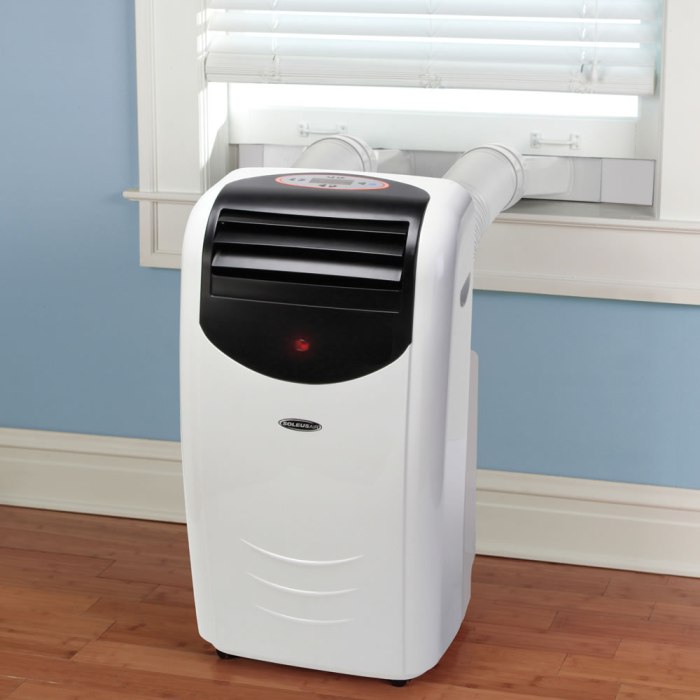
Portable air conditioners offer several benefits for cooling smaller spaces or providing additional cooling options in larger areas. They are versatile, easy to move around, and do not require permanent installation like traditional AC units.
Top-Rated Portable Air Conditioner Brands
When it comes to choosing a portable air conditioner, some of the top-rated brands in the market include:
- Honeywell: Known for their efficiency and performance.
- LG: Offers a range of portable AC units with advanced features.
- Black + Decker: Affordable options without compromising on quality.
- Whynter: Specializes in compact and energy-efficient portable air conditioners.
Key Features to Look for in a Portable Air Conditioner
When selecting a portable air conditioner, consider the following key features:
- BTU (British Thermal Units) rating for the appropriate cooling capacity.
- Energy Efficiency Ratio (EER) to determine energy efficiency.
- Portability with wheels and handles for easy movement.
- Dehumidification function to remove excess moisture from the air.
- Remote control for convenient operation from a distance.
Home Inspections
Before purchasing a property, it is crucial to conduct a thorough home inspection to identify any potential issues that may not be visible during a simple walkthrough. Home inspections provide buyers with a detailed assessment of the property’s condition, helping them make informed decisions and avoid costly surprises in the future.
Importance of Home Inspections
Home inspections are essential as they can uncover hidden problems that could affect the safety, functionality, and value of the property. By hiring a professional inspector, buyers can gain valuable insights into the overall condition of the house, including the HVAC system, electrical wiring, plumbing, roof, and structural integrity.
Common Issues Discovered During a Home Inspection
- Water damage: Leaks in the roof, plumbing, or foundation can lead to mold growth and structural damage.
- Pest infestations: Termites, rodents, and other pests can cause significant damage to a property if not addressed promptly.
- Electrical problems: Outdated wiring, faulty outlets, and overloaded circuits pose fire hazards and may require costly repairs.
- HVAC issues: Malfunctioning air conditioners, furnaces, or ductwork can impact indoor comfort and energy efficiency.
- Foundation issues: Cracks, settlement, or moisture problems in the foundation can compromise the stability of the entire structure.
Impact of Home Inspections on the Buying Process
Home inspections can have a significant impact on the buying process by providing buyers with negotiation leverage. If major issues are discovered, buyers can request repairs, credits, or a price reduction from the seller. In some cases, buyers may choose to walk away from a deal if the inspection reveals extensive problems that they are unwilling to address.
Kitchen Improvements
When it comes to upgrading your kitchen, there are plenty of budget-friendly options that can make a big impact. Whether you’re looking to enhance the functionality, aesthetics, or organization of your kitchen, there are various trends and ideas you can consider.
Budget-Friendly Kitchen Improvements
Here are some tips for making affordable upgrades to your kitchen:
- Painting cabinets or walls with a fresh coat of paint can instantly transform the look of your kitchen.
- Updating cabinet hardware, such as handles and knobs, can give your kitchen a modern and stylish touch.
- Adding under cabinet lighting can improve visibility and create a warm ambiance in the kitchen.
- Installing a new backsplash can add a pop of color and personality to your kitchen.
Popular Kitchen Improvement Trends
Explore these popular trends that can elevate the look and functionality of your kitchen:
- Open shelving: This trend creates a more spacious and airy feel in the kitchen, allowing you to showcase your dishes and decor.
- Smart appliances: Incorporating smart technology into your kitchen appliances can enhance convenience and efficiency.
- Quartz countertops: Quartz is a durable and low-maintenance material that has become a popular choice for modern kitchens.
Maximizing Storage Space in the Kitchen
Utilize these ideas to optimize storage in your kitchen:
- Install pull-out pantry shelves to maximize storage space and keep items organized.
- Utilize vertical space with overhead racks or shelves for storing pots, pans, and other kitchen essentials.
- Use drawer dividers and organizers to keep utensils and small items neatly arranged.
Home Improvement and Furniture
When it comes to home improvement projects, selecting the right furniture plays a crucial role in enhancing the overall aesthetics of your living space. The relationship between home improvement and furniture is intertwined, as the choice of furniture can complement or detract from the upgrades you make to your home.
Coordinating Furniture with Home Improvement Upgrades
Here are some tips for coordinating furniture with your home improvement projects:
- Consider the style of your home: Choose furniture that matches the overall style and theme of your home. For example, modern furniture works well in contemporary homes, while vintage pieces can complement a more traditional space.
- Color coordination: Select furniture colors that complement the new paint or decor in your home. Harmonizing colors can create a cohesive look and tie the room together.
- Scale and proportion: Ensure that the size of your furniture pieces is appropriate for the space. Oversized furniture can make a room feel cramped, while too-small pieces may look out of place.
- Functionality: Consider how you use the space and choose furniture that meets your needs. Multi-functional pieces can help maximize space and improve functionality.
The Role of Furniture in Enhancing Aesthetics
Furniture plays a significant role in enhancing the overall aesthetics of a home by adding style, comfort, and functionality. Here are some ways furniture can enhance the aesthetics of your living space:
- Statement pieces: Incorporating unique or eye-catching furniture pieces can serve as focal points in a room and add visual interest.
- Texture and materials: Mixing different textures and materials in your furniture choices can create depth and visual appeal in a room.
- Balance and symmetry: Properly arranging furniture to achieve balance and symmetry can create a sense of harmony and elegance in your space.
- Personalization: Choosing furniture that reflects your personality and style can make your home feel more inviting and personalized.
Flooring
When it comes to choosing the right flooring for your home, there are several options to consider based on the room’s usage, budget, and maintenance requirements.
Hardwood Flooring vs. Laminate and Vinyl
Hardwood flooring is a popular choice for many homeowners due to its timeless beauty and durability. It adds value to a home and can last for decades with proper care. On the other hand, laminate and vinyl flooring are more affordable options that mimic the look of hardwood at a fraction of the cost. Laminate is easy to install and maintain, while vinyl is waterproof and perfect for areas prone to moisture.
- Hardwood Flooring:
- Benefits: Timeless look, durable, adds value to the home.
- Care Tips: Regular cleaning, avoid excessive water exposure, periodic refinishing.
- Laminate Flooring:
- Benefits: Affordable, easy to install, low maintenance.
- Care Tips: Regular sweeping or vacuuming, avoid wet mopping, use protective pads under furniture.
- Vinyl Flooring:
- Benefits: Waterproof, budget-friendly, variety of styles.
- Care Tips: Regular sweeping or vacuuming, avoid harsh chemicals, wipe spills immediately.
Furniture
When it comes to the functionality of a room, furniture layout plays a crucial role. The way furniture is arranged can impact the flow of the space, accessibility, and overall comfort level. A well-thought-out furniture layout can make a room feel more spacious, welcoming, and organized.
Choosing furniture that complements the style of a home is essential to creating a cohesive and harmonious interior design. Whether you prefer a modern, traditional, eclectic, or minimalist style, selecting pieces that align with the overall aesthetic of your home can enhance the visual appeal and create a sense of unity throughout the space.
Tips for Choosing Furniture
- Consider the scale of the furniture in relation to the size of the room. Oversized pieces can make a room feel cramped, while too small furniture can look out of place.
- Take into account the function of the room when selecting furniture. For example, choose comfortable and durable pieces for a family room, while opting for sleek and stylish furniture for a formal living room.
- Mixing different textures, materials, and finishes can add depth and visual interest to a space. Don’t be afraid to experiment with unique combinations to create a personalized look.
- Ensure that the furniture layout promotes good traffic flow and allows for easy movement throughout the room. Avoid blocking doorways or windows with large pieces of furniture.
Latest Furniture Trends
- Multi-functional furniture: With the rise of smaller living spaces, furniture that serves multiple purposes, such as storage beds, expandable dining tables, and modular seating, are becoming increasingly popular.
- Natural materials: Furniture made from natural materials like wood, rattan, and jute are on-trend, bringing warmth and texture to interiors.
- Statement pieces: Bold and unique furniture pieces, such as sculptural chairs, colorful sofas, and oversized lighting fixtures, are making a statement in modern interiors.
- Sustainable design: Eco-friendly furniture made from recycled materials or sustainably sourced wood is gaining traction as consumers become more conscious of their environmental impact.
Green Living
Green living refers to adopting a lifestyle that is environmentally friendly and sustainable, aimed at reducing one’s carbon footprint and promoting a healthier planet. Homeowners can benefit from green living by saving energy costs, improving indoor air quality, and contributing to the conservation of natural resources.
Eco-Friendly Home Improvement Ideas
- Install energy-efficient appliances and lighting fixtures to reduce electricity consumption.
- Use low-flow plumbing fixtures and water-saving devices to conserve water.
- Opt for renewable energy sources such as solar panels or wind turbines to power your home.
- Choose eco-friendly building materials like bamboo flooring, reclaimed wood, or recycled glass for home renovations.
- Create a composting system for organic waste to reduce landfill waste and create nutrient-rich soil for gardening.
Importance of Green Elements in Home Design
Integrating green elements into home design is crucial for promoting sustainability and reducing environmental impact. By incorporating features like proper insulation, natural lighting, and energy-efficient HVAC systems, homeowners can lower their energy consumption and carbon emissions. Additionally, using non-toxic paints, eco-friendly materials, and indoor plants can enhance indoor air quality and create a healthier living environment for residents.
Interior Design and Decorating
Creating a cohesive interior design scheme involves carefully planning and coordinating various elements to achieve a harmonious look and feel throughout your home.
Tips for Creating a Cohesive Interior Design Scheme
When designing your interior, consider the following tips to ensure a cohesive look:
- Choose a consistent color palette that flows seamlessly from room to room.
- Use a mix of textures to add depth and visual interest to your space.
- Consider the scale and proportion of furniture and decor items to create a balanced look.
- Pay attention to lighting, as it can greatly impact the overall ambiance of a room.
Role of Color Palettes in Interior Decorating
Color palettes play a crucial role in setting the tone and mood of a space. Here are some key points to consider:
- Neutral colors can create a sense of calm and sophistication, while bold colors can add drama and energy to a room.
- Monochromatic color schemes involve using varying shades of a single color for a cohesive and elegant look.
- Complementary color schemes involve pairing colors that are opposite each other on the color wheel for a dynamic and visually appealing contrast.
Ideas for Incorporating Textures and Patterns into Home Decor
Textures and patterns can add depth and personality to your home decor. Here are some ideas to incorporate them effectively:
- Mix different textures such as smooth, rough, shiny, and matte for a tactile experience.
- Layering rugs, throw blankets, and pillows with different patterns can create visual interest and coziness.
- Consider using wallpaper, accent walls, or decorative tiles to introduce patterns into your space without overwhelming the eye.
Bath and Shower
When it comes to designing a bathroom, the choice of bath and shower fixtures plays a crucial role in both functionality and style. Let’s explore the different types available in the market and discuss tips for creating a functional and stylish bathroom space, along with the latest trends in bathroom decor and shower technology.
Types of Bath and Shower Fixtures
- Freestanding Bathtubs: These tubs are popular for their elegant and luxurious look, perfect for creating a spa-like atmosphere in the bathroom.
- Shower Enclosures: Enclosed showers offer privacy and can be customized with various features such as steam settings, multiple showerheads, and seating options.
- Walk-In Showers: Ideal for accessibility, walk-in showers have a seamless entry without the need for a step, making them convenient for individuals with mobility issues.
- Clawfoot Tubs: These classic tubs with decorative feet add a touch of vintage charm to any bathroom, perfect for traditional or farmhouse-style spaces.
Designing a Functional and Stylish Bathroom Space
- Consider the layout: Opt for a layout that maximizes space and flow, ensuring easy access to essential fixtures.
- Choose the right fixtures: Select fixtures that match your aesthetic preferences while also meeting your practical needs.
- Focus on storage: Incorporate storage solutions like built-in shelves, cabinets, or vanity units to keep the bathroom organized and clutter-free.
- Lighting is key: Invest in proper lighting fixtures to create a well-lit and inviting atmosphere in the bathroom.
Latest Trends in Bathroom Decor and Shower Technology
- Smart Showers: Technology-driven showers with features like temperature control, music connectivity, and water-saving settings are gaining popularity.
- Minimalist Design: Clean lines, neutral colors, and clutter-free spaces are trending in modern bathroom decor, creating a sense of calm and relaxation.
- Natural Elements: Incorporating natural materials like wood, stone, and plants in bathroom design adds warmth and a spa-like feel to the space.
- Bold Patterns and Colors: Statement tiles, wallpaper, and colorful accents are being used to add personality and visual interest to bathrooms.
House Plans
Selecting the right house plan is crucial when building or renovating a home. It sets the foundation for the layout, functionality, and overall design of the house. By choosing a house plan that suits your needs and lifestyle, you can ensure that your living space is comfortable and tailored to your preferences.Different types of house plans cater to various tastes and requirements.
Open-concept plans are popular for their spacious and interconnected living areas, while traditional plans offer separate rooms for defined purposes. Modern house plans often feature clean lines, large windows, and innovative design elements. Each type has its own unique characteristics, so it’s important to consider which style aligns best with your vision for your home.Customizing house plans allows homeowners to personalize their living space to better suit their individual preferences.
Whether it’s adjusting room sizes, adding extra features, or modifying the layout, customization can help create a home that reflects your personality and meets your specific needs. Working with a professional architect or designer can ensure that your customized house plan is both functional and aesthetically pleasing.
Comparison of House Plans
- Open-Concept House Plans: Emphasize spacious, interconnected living areas for a modern and airy feel.
- Traditional House Plans: Feature separate rooms with defined purposes and a more classic layout.
- Modern House Plans: Incorporate innovative design elements, clean lines, and large windows for a contemporary look.
Tips for Customizing House Plans
- Consider your lifestyle and how you use different spaces in your home when customizing the layout.
- Think about future needs and make sure your customized house plan is adaptable for any changes down the line.
- Work with a professional architect or designer to ensure that your customization ideas are feasible and well-executed.
Feng Shui
Feng Shui is an ancient Chinese practice that focuses on creating harmony and balance in living spaces to promote well-being and positive energy flow. By incorporating Feng Shui principles into your home design and decor, you can enhance the overall ambiance and create a more peaceful and welcoming environment.
Incorporating Feng Shui Elements
- Avoid clutter: Clutter can block the flow of energy in a space, so make sure to keep your home organized and free of unnecessary items.
- Balance elements: Incorporate a balance of elements such as wood, fire, earth, metal, and water in each room to create harmony.
- Use mirrors strategically: Mirrors can help reflect light and energy, so place them in areas where they can enhance the natural light and create a sense of spaciousness.
- Position furniture thoughtfully: Arrange furniture in a way that allows for easy movement and promotes a sense of openness and connection in the room.
Enhancing Energy Flow
- Open windows and doors: Allow fresh air and natural light to flow into your home to cleanse the space and invite positive energy.
- Add plants: Plants bring life and vitality to a space, so consider adding greenery to different rooms to enhance the energy flow.
- Clear pathways: Ensure that pathways are clear and unobstructed to allow energy to move freely throughout the space.
- Fix leaks and repairs: Address any leaks or repairs promptly to prevent stagnant energy and promote a healthy living environment.
Heating and Air Conditioning
Heating and air conditioning systems play a crucial role in maintaining a comfortable indoor environment. Proper selection and maintenance of these systems are essential for efficient operation and energy savings.
Comparison of Heating and Air Conditioning Systems
When it comes to residential heating and air conditioning, there are several options available. Let’s compare some common systems:
- Forced Air Systems: Utilize ductwork to distribute heated or cooled air throughout the home. They are versatile and can be powered by electricity, gas, or oil.
- Ductless Mini-Split Systems: Provide individualized heating and cooling for specific rooms or zones. They are energy-efficient and offer flexible installation options.
- Heat Pumps: Offer both heating and cooling capabilities by transferring heat between the indoors and outdoors. They are environmentally friendly and cost-effective.
Importance of Regular HVAC Maintenance
Maintaining your heating, ventilation, and air conditioning (HVAC) system is crucial for its longevity and efficiency. Regular maintenance can help prevent breakdowns, improve indoor air quality, and lower energy costs.
- Change air filters regularly to ensure proper airflow and prevent dust buildup.
- Schedule annual professional inspections to identify and address any potential issues early on.
- Clean the ductwork and vents to remove dust, debris, and allergens that can circulate in the air.
Tips for Improving Energy Efficiency
Increasing the energy efficiency of your heating and cooling systems not only reduces utility bills but also minimizes environmental impact. Here are some tips to enhance efficiency:
- Install a programmable thermostat to regulate temperature settings based on your schedule.
- Seal air leaks around windows, doors, and ductwork to prevent heat loss or gain.
- Consider upgrading to ENERGY STAR-certified appliances that meet high efficiency standards.
In conclusion, portable air conditioners prove to be versatile, efficient, and essential for maintaining comfort in any environment. With a variety of brands and features to choose from, finding the perfect fit has never been easier. Stay cool and enjoy the comfort of a portable air conditioner today!
User Queries
Are portable air conditioners energy-efficient?
Yes, portable air conditioners are designed to be energy-efficient, providing cooling without consuming excessive power.
Can portable air conditioners be used in different rooms?
Absolutely! Portable air conditioners offer the flexibility to be moved from room to room, providing cooling wherever needed.
Do portable air conditioners require professional installation?
No, most portable air conditioners are easy to set up and can be installed by following the manufacturer’s instructions.
How noisy are portable air conditioners?
While some noise is inevitable, modern portable air conditioners are designed to operate quietly for enhanced comfort.
Are portable air conditioners suitable for large spaces?
Portable air conditioners are best suited for smaller to medium-sized spaces, but larger units are available for bigger areas.


