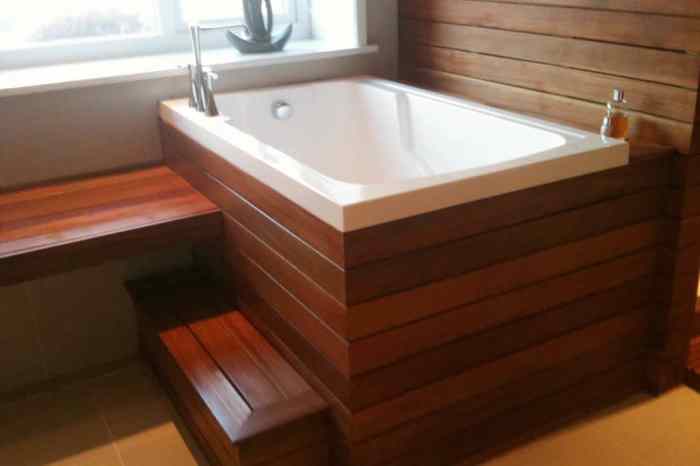
Immerse yourself in the world of relaxation with deep soaking tubs. Discover the benefits, stress-relief properties, and features to look for in your quest for ultimate relaxation.
Deep Soaking Tubs for Relaxation
Deep soaking tubs are a luxurious addition to any bathroom, providing a tranquil space for relaxation and rejuvenation. These tubs offer numerous benefits for both the body and mind, promoting overall well-being and stress relief.
Benefits of Deep Soaking Tubs for Relaxation
- Immersion in warm water helps to relax muscles and alleviate tension, promoting physical relaxation.
- The deep water allows for full-body submersion, creating a sense of weightlessness that can reduce stress on joints and muscles.
- The warm water and soothing environment of a deep soaking tub can help to calm the mind and promote mental relaxation.
How Deep Soaking Tubs Contribute to Stress Relief
- Deep soaking tubs provide a serene environment for relaxation, helping to reduce anxiety and promote a sense of calm.
- The warm water and hydrotherapy jets can help to release endorphins, the body’s natural feel-good chemicals, reducing stress and improving mood.
- Spending time in a deep soaking tub allows for a break from daily stressors, providing a peaceful retreat for the mind and body.
Ideal Features to Look for in a Deep Soaking Tub for Relaxation
- A comfortable design with ample space for full-body immersion, allowing for a truly relaxing experience.
- Optional features such as hydrotherapy jets, chromotherapy lighting, and aromatherapy options to enhance the relaxation experience.
- High-quality materials that retain heat well, ensuring the water stays warm for an extended period of time.
Home Inspections
Home inspections are a crucial step in the process of buying a property, as they help identify potential issues and ensure the safety of the future residents.
Areas to Inspect During a Home Inspection
During a home inspection, it is essential to thoroughly check the following areas:
- Roof: Look for any signs of damage or leaks.
- Foundation: Check for cracks or other structural issues.
- Plumbing: Test faucets, toilets, and check for water damage.
- Electrical System: Ensure all outlets, switches, and circuits are working properly.
- HVAC System: Inspect the heating, ventilation, and air conditioning systems.
Role of Home Inspections in Safety and Issue Identification
Home inspections play a vital role in ensuring the safety of the property’s future occupants by identifying potential hazards and issues that may not be visible during a casual viewing. By thoroughly examining the property, inspectors can provide a detailed report that helps buyers make informed decisions and negotiate any necessary repairs or adjustments before finalizing the purchase.
Kitchen Improvements
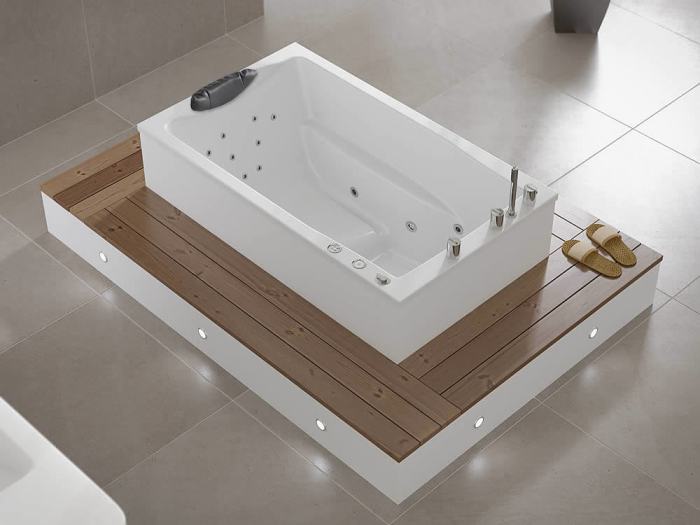
When it comes to enhancing your kitchen, there are various ways to make it more functional and visually appealing. Whether you’re looking to upgrade your appliances, add more storage space, or simply give it a fresh look, there are plenty of options to consider.
Exploring Different Ways to Improve a Kitchen
There are several ways to improve the functionality and aesthetics of your kitchen. Here are some popular options:
- Upgrade to energy-efficient appliances to save on utility bills and reduce your carbon footprint.
- Install smart technology, such as smart lighting or a voice-activated assistant, to make cooking and cleaning easier.
- Add more storage solutions, like pull-out shelves or a pantry organization system, to keep your kitchen clutter-free.
Latest Trends in Kitchen Improvements
The kitchen design industry is constantly evolving, with new trends emerging each year. Some of the latest trends in kitchen improvements include:
- Open shelving for a modern and airy feel
- Two-tone cabinetry for a contemporary look
- Quartz countertops for durability and style
Budget-Friendly Kitchen Improvement Ideas
Improving your kitchen doesn’t have to break the bank. Here are some budget-friendly ideas to upgrade your kitchen without spending a fortune:
- Painting your cabinets for a fresh new look
- Adding a backsplash for a pop of color and texture
- Replacing hardware, such as knobs and handles, for a quick and easy refresh
Home Improvement and Furniture
In home improvement projects, furniture plays a crucial role in enhancing the overall look and feel of a space. The right furniture can not only add functionality but also elevate the style and ambiance of a room.
Enhancing Interior Design with Furniture Selection
When it comes to interior design, furniture choices can make a significant impact on the overall aesthetic of a space. Different styles of furniture can help define the theme and mood of a room, whether it’s modern, traditional, rustic, or eclectic.
- Consider the overall style of your home when selecting furniture to ensure cohesiveness throughout the space.
- Choose pieces that complement the existing color palette and decor elements in the room.
- Mixing different furniture styles can create a dynamic and layered look, adding visual interest to the space.
Selecting Furniture for Different Home Improvement Projects
When embarking on a home improvement project, it’s essential to choose furniture that not only fits the space but also enhances the changes you are making. Here are some tips for selecting furniture that complements different home improvement projects:
- For a kitchen renovation, opt for durable and practical furniture that can withstand the demands of a busy cooking space.
- When remodeling a living room, consider versatile furniture pieces that can easily adapt to different layouts and design schemes.
- In a bedroom makeover, focus on selecting comfortable and inviting furniture that promotes relaxation and restful sleep.
Flooring
When it comes to choosing the right flooring for your home, there are several factors to consider, including durability, maintenance requirements, and the specific room where the flooring will be installed. Different types of flooring materials offer unique benefits and drawbacks, so it’s important to weigh your options carefully.
Types of Flooring Materials
- Hardwood: Known for its timeless beauty and durability, hardwood flooring is a popular choice for many homeowners. It requires regular maintenance, such as refinishing, but can last for decades if properly cared for.
- Laminate: A more affordable alternative to hardwood, laminate flooring is easy to install and maintain. It’s also resistant to scratches and stains, making it a practical option for high-traffic areas.
- Tile: Available in a variety of materials, such as ceramic, porcelain, and natural stone, tile flooring is durable and moisture-resistant. It’s ideal for bathrooms, kitchens, and other areas prone to spills and moisture.
- Carpet: Soft and comfortable underfoot, carpet is a popular choice for bedrooms and living rooms. However, it can trap allergens and require regular cleaning to maintain its appearance.
Choosing the Right Flooring for Specific Rooms
- Kitchen: For the kitchen, it’s important to choose a flooring material that is easy to clean and resistant to stains. Tile, laminate, and vinyl are popular choices due to their durability and low maintenance requirements.
- Bathroom: In the bathroom, moisture resistance is key. Tile, vinyl, and natural stone are excellent options for bathroom flooring, as they can withstand water exposure without warping or damage.
- Bedroom: Comfort is a priority in the bedroom, so carpet or hardwood flooring are popular choices. Carpet adds warmth and softness, while hardwood offers a classic and elegant look.
Furniture
When it comes to interior design, furniture plays a crucial role in shaping the overall look and feel of a room. The way furniture is arranged can significantly impact the functionality and aesthetics of the space.
It is essential to select furniture that not only complements the style of the room but also fits the available space appropriately. Oversized furniture in a small room can make it feel cramped, while too many small pieces in a large room can make it look cluttered.
Impact of Furniture Arrangement
Proper furniture arrangement can create a sense of balance and flow in a room. Placing furniture strategically can help define different areas within a space, such as a sitting area, a dining area, or a reading nook. It can also optimize traffic flow and functionality.
- Ensure there is enough space to move around freely without obstacles.
- Consider the focal point of the room and arrange furniture to highlight it.
- Use furniture to create visual interest and define the purpose of each area.
Repurposing and Upcycling Furniture
Repurposing or upcycling furniture is a sustainable approach to home improvement that not only adds a personal touch to your space but also reduces waste and promotes environmental consciousness.
- Give old furniture a fresh coat of paint or new hardware to give it a new life.
- Repurpose items like old doors or crates into unique furniture pieces like tables or shelves.
- Upcycle materials like pallets or barrels to create custom furniture pieces that reflect your style.
Green Living
Green living is a lifestyle focused on reducing one’s environmental impact by making sustainable choices in everyday life. This includes using resources efficiently, reducing waste, and choosing eco-friendly products and practices.
Eco-Friendly Home Improvement Options
When it comes to home improvement, there are several eco-friendly options that can help promote sustainable living:
- Installing energy-efficient appliances to reduce electricity consumption.
- Using low-flow fixtures to conserve water and reduce water waste.
- Opting for renewable energy sources like solar panels to power your home.
- Choosing sustainable materials for construction and furniture, such as bamboo or reclaimed wood.
Tips for Incorporating Green Elements
Here are some tips for incorporating green elements into your home design and lifestyle:
- Start composting to reduce food waste and create nutrient-rich soil for your garden.
- Switch to LED light bulbs to save energy and reduce electricity costs.
- Use non-toxic cleaning products to minimize chemical exposure and protect indoor air quality.
- Plant trees and create a green space in your yard to promote biodiversity and improve air quality.
Interior Design and Decorating
Interior design plays a crucial role in creating spaces that are both functional and aesthetically pleasing. It involves the careful selection of colors, furniture, accessories, and layout to enhance the overall look and feel of a room.
Latest Trends in Interior Design and Decorating
- Minimalism: Clean lines, simple furniture, and a clutter-free environment are key elements of this trend.
- Biophilic Design: Bringing nature indoors through the use of natural materials, plants, and plenty of natural light.
- Maximalism: Embracing bold colors, patterns, and textures to create a visually rich and eclectic space.
- Sustainable Design: Using eco-friendly materials and practices to create a healthier and more environmentally conscious home.
Tips for Balancing Style and Functionality in Interior Design Projects
- Define the purpose of the space: Consider how the room will be used and design accordingly.
- Choose versatile furniture: Opt for pieces that are both stylish and practical, offering storage solutions or multipurpose functionality.
- Play with textures and patterns: Mix different textures and patterns to add visual interest without sacrificing functionality.
- Lighting is key: Ensure proper lighting to create the right ambiance and highlight key areas of the room.
- Personalize with accessories: Add personal touches through artwork, decor, and accessories to make the space feel unique and inviting.
Bath and Shower
When it comes to creating a relaxing bathroom experience, selecting the right bath and shower fixtures plays a crucial role in setting the mood and ambiance. The right choice can transform your bathroom into a spa-like retreat where you can unwind and rejuvenate.
Types of Showers and Baths
- Rainfall Showerhead: Installing a rainfall showerhead can simulate the feeling of standing in a gentle rain shower, providing a soothing and relaxing experience.
- Freestanding Bathtub: A freestanding bathtub adds a touch of luxury to your bathroom and allows for a deep soaking experience, perfect for relaxation after a long day.
- Steam Shower: Incorporating a steam shower in your bathroom can offer therapeutic benefits by helping to relax muscles, improve circulation, and reduce stress.
Creating a Spa-Like Atmosphere
- Soft Lighting: Install dimmable lights or add candles to create a soft, relaxing atmosphere in your bathroom.
- Aromatherapy: Use essential oils or scented candles to infuse your bathroom with calming scents like lavender or eucalyptus.
- Plush Towels and Robes: Invest in high-quality, plush towels and robes to enhance the spa-like experience and add a touch of luxury.
House Plans
Having well-designed house plans is crucial before starting a construction project as it serves as the blueprint for the entire structure. A well-thought-out plan ensures that the home is functional, comfortable, and meets the needs of the occupants.
Key Elements in House Plans
- Room Layout: Proper arrangement of rooms to ensure flow and convenience.
- Size and Scale: Determining appropriate size and scale of rooms for comfort and functionality.
- Architectural Style: Choosing a design that reflects personal taste while maintaining structural integrity.
- Lighting and Ventilation: Incorporating natural light and ventilation for a healthy living environment.
- Storage Space: Including adequate storage solutions to minimize clutter and enhance organization.
Customizing House Plans
- Identify Needs: Determine specific lifestyle needs and preferences to tailor the plan accordingly.
- Consult Professionals: Seek advice from architects, designers, and contractors to customize the plan effectively.
- Flexibility: Design spaces that can adapt to future changes or expansions based on evolving needs.
- Personal Touch: Incorporate personal touches and unique elements to make the home feel truly yours.
Feng Shui
Feng Shui is an ancient Chinese practice that focuses on creating harmony and balance in living spaces to promote well-being and positive energy flow. By incorporating Feng Shui principles into home design, you can create a more peaceful and harmonious environment for relaxation and rejuvenation.
Incorporating Feng Shui into Home Design
- Clearing clutter: According to Feng Shui, clutter can block the flow of energy in your home. Start by decluttering your space and creating a more open and inviting environment.
- Balance and symmetry: Arrange furniture and decor in a way that promotes balance and symmetry. This can help create a sense of stability and harmony in your living space.
- Natural elements: Incorporate natural elements such as plants, water features, and natural materials to bring the outdoors inside and create a sense of tranquility.
- Color and lighting: Choose colors and lighting that promote a sense of calm and relaxation. Soft, soothing colors and natural light can help create a peaceful atmosphere.
Arranging Furniture and Decor
- Bed placement: In Feng Shui, the placement of your bed is important for restful sleep and positive energy flow. Position your bed so that you can see the door from your bed, but avoid placing it directly in line with the door.
- Mirror placement: Mirrors are believed to amplify energy in Feng Shui. Be mindful of where you place mirrors to avoid reflecting negative energy back into your living space.
- Entryway design: The entryway is the first impression of your home and sets the tone for the energy flow. Keep it clutter-free and welcoming to invite positive energy into your home.
- Zoning areas: Create distinct zones in your home for different activities, such as relaxation, work, and socializing. This can help create a sense of balance and harmony in your living space.
Heating and Air Conditioning
Efficient heating and air conditioning systems are crucial components of a well-functioning home. They not only provide comfort but also contribute to energy savings and overall cost-efficiency.
Latest Technologies and Trends
Advancements in heating and air conditioning technologies have led to a focus on energy efficiency. Some of the latest trends include:
- Smart Thermostats: These devices can learn your schedule and adjust the temperature accordingly, leading to optimal energy use.
- Zoned Heating and Cooling: This system divides your home into zones, allowing you to control the temperature in each area separately for better efficiency.
- Variable Refrigerant Flow Systems: These systems adjust the refrigerant flow based on the heating or cooling needs of different areas in the home, reducing energy consumption.
Maintenance Tips
Proper maintenance of heating and air conditioning systems is essential for longevity and efficiency. Here are some tips to help you maintain and optimize your systems:
- Regular Inspections: Schedule routine inspections to check for any issues or inefficiencies in your systems.
- Clean or Replace Filters: Dirty filters can restrict airflow and reduce efficiency, so make sure to clean or replace them regularly.
- Seal Leaks: Inspect and seal any leaks in ducts or around windows and doors to prevent energy wastage.
- Adjust Thermostat Settings: Set your thermostat to energy-saving temperatures when you’re away or asleep to reduce energy consumption.
Indulge in the luxury of deep soaking tubs for relaxation and transform your bathing experience into a rejuvenating escape from the everyday hustle and bustle.
Questions Often Asked
Are deep soaking tubs suitable for small bathrooms?
Yes, there are compact deep soaking tub options designed specifically for smaller spaces.
How long should one soak in a deep soaking tub for maximum relaxation?
Experts recommend soaking for about 20-30 minutes to reap the full benefits of relaxation.
Can deep soaking tubs help with muscle tension and soreness?
Absolutely, the warm water and depth of the tub can provide relief for muscle tension and soreness.


