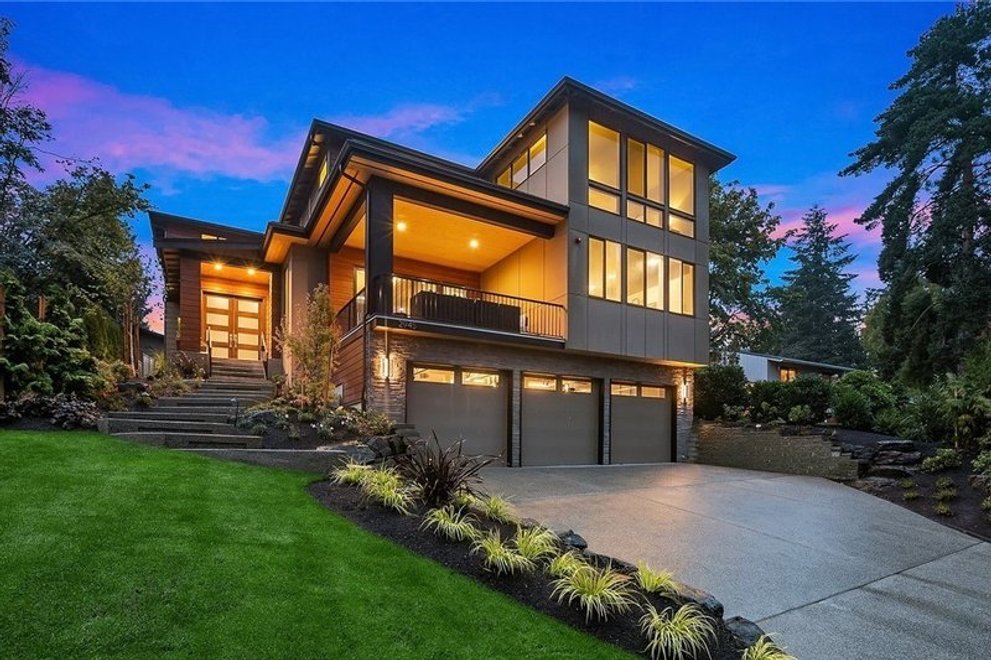
Exploring the world of house plans with a garage, this topic delves into the significance of incorporating a garage, various layout options, and the impact on overall design.
From attached versus detached garages to size considerations, this discussion provides valuable insights for homeowners and enthusiasts alike.
House Plans with a Garage
Including a garage in house plans is essential for many homeowners due to the convenience and functionality it provides. A garage not only offers secure parking for vehicles but also serves as additional storage space and can even be converted into a workshop or hobby area.
Types of Garage Layouts
- Attached Garage: A garage that is connected to the main house, providing easy access and protection from the elements.
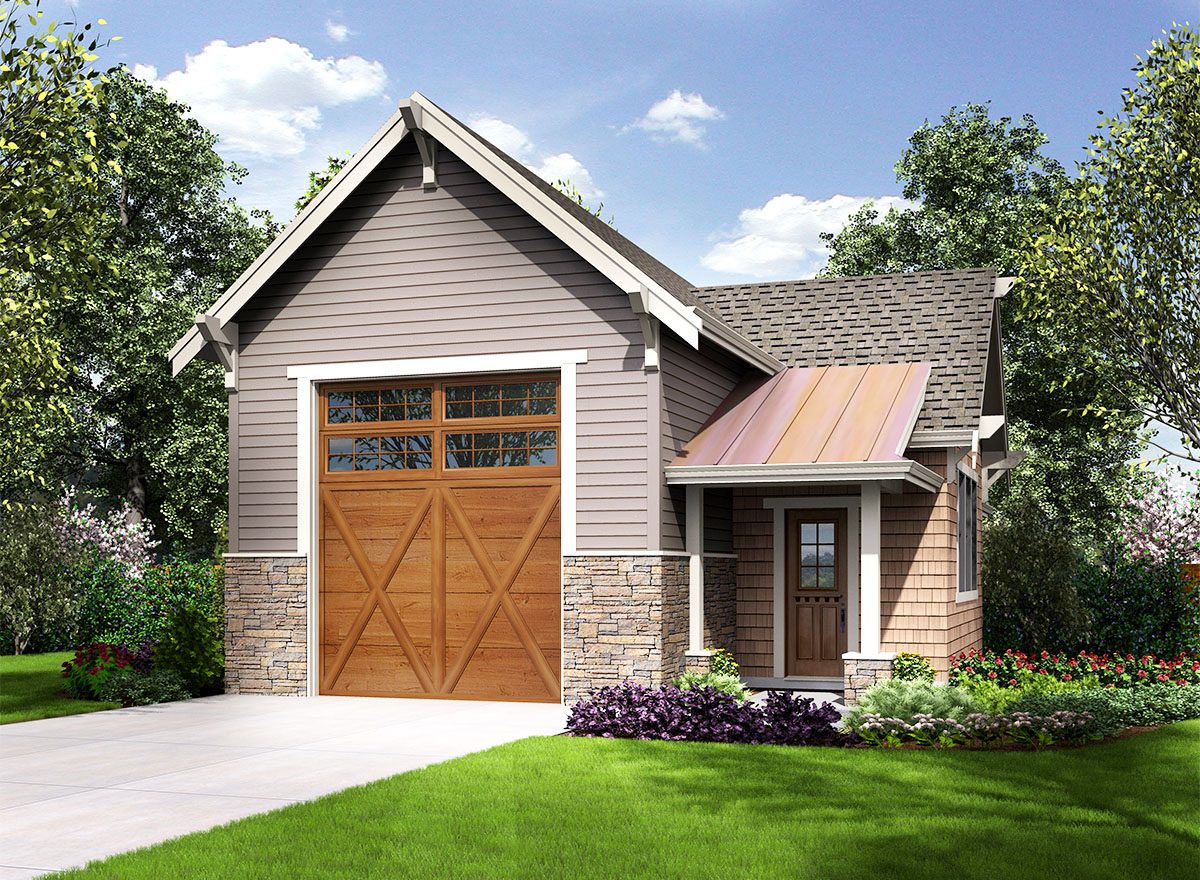
- Detached Garage: A separate structure from the main house, offering more flexibility in design and use of space.
- Tandem Garage: A garage with parking for two or more cars in a single line, maximizing space efficiency.
Impact of Garage Size on House Design
The size of the garage can significantly impact the overall design of a house. A larger garage may require more space on the property, influencing the layout and landscaping options. It can also affect the size and layout of rooms adjacent to the garage, such as mudrooms or laundry rooms.
Benefits of Attached vs. Detached Garage
- Attached Garage: Provides direct access to the house, especially beneficial in inclement weather. It can also enhance the overall curb appeal of the property.
- Detached Garage: Offers more design flexibility and can be placed at a distance from the main house, creating a separate space for hobbies or a home office.
Home Inspections
Home inspections are crucial in ensuring the safety, functionality, and value of a property. Regular inspections can help identify potential issues early on, saving homeowners from costly repairs in the future.
Key Areas of Inspection
- Structural integrity of the building, including the foundation, walls, and roof.
- Plumbing systems, checking for leaks, water pressure, and drainage issues.
- Electrical systems to ensure they are up to code and safe for everyday use.
- Heating, ventilation, and air conditioning (HVAC) systems for proper functioning.
- Appliances and fixtures to check for any malfunctions or safety hazards.
Importance of Regular Inspections
Regular home inspections can help homeowners catch problems early, preventing costly repairs down the line. They can also provide peace of mind knowing that the property is safe and well-maintained.
Tips for Preparation
- Clean and declutter the house to make inspection easier.
- Make any necessary repairs ahead of time to avoid issues during the inspection.
- Be present during the inspection to ask questions and address concerns directly.
- Provide easy access to all areas of the home, including the attic, basement, and garage.
Common Issues and Solutions
- Leaks and water damage can often be fixed by repairing plumbing or roofing issues.
- Electrical problems may require rewiring or updating outdated systems.
- Structural issues might need professional assessment and repairs to ensure the safety of the home.
Kitchen Improvements
When it comes to upgrading your kitchen, there are various ideas and trends to consider that can enhance both functionality and aesthetics. From smart appliances to eco-friendly materials, there are plenty of options to choose from.
Popular Kitchen Layout Designs
- Galley Kitchen: This layout maximizes space by placing cabinets and appliances along two parallel walls.
- L-Shaped Kitchen: Ideal for small to medium-sized kitchens, this design offers ample counter space and storage.
- Open Concept Kitchen: This layout creates a seamless flow between the kitchen and adjacent living areas, perfect for entertaining.
Latest Trends in Kitchen Improvements
- Smart Appliances: From refrigerators with touchscreens to voice-controlled ovens, smart appliances are becoming increasingly popular for their convenience and efficiency.
- Eco-Friendly Materials: Sustainable materials like bamboo flooring, recycled glass countertops, and energy-efficient lighting are gaining traction for their environmental benefits.
Budget-Friendly Kitchen Upgrades
- Painting Cabinets: A fresh coat of paint can instantly transform the look of your kitchen without breaking the bank.
- Updating Hardware: Swapping out old cabinet knobs and drawer pulls for modern designs can give your kitchen a quick and easy facelift.
- Adding a Backsplash: Installing a stylish backsplash can add personality and charm to your kitchen while protecting the walls from spills and splatters.
Home Improvement and Furniture
When it comes to home improvement projects, furniture plays a crucial role in enhancing the overall look and feel of a space. The right furniture choices can complement the design of your home, making it more functional and aesthetically pleasing.
Choosing Furniture that Complements Home Design
- Consider the style of your home – whether it’s modern, traditional, or eclectic – and choose furniture pieces that align with that style.
- Take into account the color scheme of the room and select furniture that either matches or adds a pop of color to create visual interest.
- Pay attention to the scale and proportion of the furniture in relation to the size of the room to ensure a balanced and harmonious look.
- Opt for versatile pieces that can serve multiple functions to make the most out of your space.
Enhancing Space with Strategic Furniture Placement
- Use furniture to define different areas within a room, such as creating a cozy reading nook or a functional workspace.
- Experiment with different furniture arrangements to find the best layout that maximizes space and flow.
- Consider the traffic flow in the room and arrange furniture in a way that allows for easy movement throughout the space.
- Utilize furniture to highlight architectural features or focal points in the room, such as a fireplace or a large window.
DIY Home Improvement Projects with Furniture Customization
- Update old furniture pieces with a fresh coat of paint or new hardware to give them a modern look.
- Add personal touches to furniture pieces, such as stenciling or decoupage, to make them unique and reflective of your style.
- Repurpose furniture items for different uses, such as turning a dresser into a bathroom vanity or a bookshelf into a bar cart.
- Invest in quality furniture pieces that can be easily customized or updated over time to adapt to changing design trends.
Flooring
When it comes to choosing the right flooring for your home, there are several options available, each with its own set of pros and cons. Factors such as lifestyle, maintenance preferences, and the area of the house where the flooring will be installed should be considered before making a decision.
Types of Flooring
- Hardwood Flooring: Known for its durability and timeless appeal, hardwood flooring adds warmth and elegance to any space. However, it can be costly and require regular maintenance to keep it looking its best.
- Laminate Flooring: A more affordable alternative to hardwood, laminate flooring is easy to install and maintain. It is also scratch and stain-resistant, making it ideal for high-traffic areas.
- Tile Flooring: Tile flooring is versatile, durable, and easy to clean, making it a popular choice for kitchens and bathrooms. It comes in a variety of materials such as ceramic, porcelain, and natural stone.
- Carpet Flooring: Carpet provides warmth and comfort underfoot, making it a cozy option for bedrooms and living rooms. However, it can trap dust and allergens, requiring regular vacuuming and cleaning.
Choosing the Right Flooring
Before selecting a flooring material, consider factors such as the amount of foot traffic in the area, pets, children, and maintenance preferences. For example, hardwood flooring may not be the best choice for a household with pets that could scratch or damage the surface.
Maintaining Different Flooring Types
- Hardwood Flooring: To maintain hardwood floors, regularly sweep or vacuum to remove dirt and debris. Use a damp mop with a hardwood floor cleaner for deeper cleaning.
- Laminate Flooring: Clean laminate floors with a damp mop or cloth and avoid using excessive water. Wipe up spills immediately to prevent damage to the floor.
- Tile Flooring: Regularly sweep or vacuum tile floors to remove dirt and debris. Use a mild detergent and water solution to clean tile floors, avoiding harsh chemicals that can damage the grout.
- Carpet Flooring: Vacuum carpeted areas at least once a week to remove dirt and dust. Treat stains promptly with a carpet stain remover and have carpets professionally cleaned annually.
Furniture
When it comes to interior design, furniture plays a crucial role in both the aesthetics and functionality of a space. The right furniture pieces can enhance the overall look of a room while also providing comfort and practicality.
It is important to consider the architectural style of your home when selecting furniture to ensure a cohesive and harmonious look. Different furniture styles can complement specific architectural styles, creating a balanced and visually appealing space.
Furniture Styles for Specific Architectural Styles
- For a modern or contemporary home, sleek and minimalist furniture pieces with clean lines and neutral colors work best to complement the clean architectural lines and open spaces.
- In a traditional or classic home, ornate and elegant furniture pieces with rich textures and warm tones can enhance the timeless charm of the architecture.
- In a farmhouse or rustic-style home, furniture made of natural materials such as wood and metal with distressed finishes can complement the cozy and inviting feel of the space.
- In a mid-century modern home, furniture with iconic designs from the 1950s and 1960s, featuring organic shapes and bold colors, can enhance the retro vibe of the architecture.
Mixing and Matching Furniture Pieces
- When mixing and matching furniture pieces, consider the scale, proportion, and style of each piece to ensure a cohesive look. Mixing different styles, materials, and textures can add visual interest to a room.
- Use a common color palette or theme to tie different furniture pieces together. Incorporating contrasting elements, such as pairing a modern sofa with a vintage coffee table, can create a dynamic and eclectic look.
Selecting Stylish and Functional Furniture
- Choose furniture pieces that not only look good but also serve a practical purpose. Consider the functionality and comfort of each piece, especially in high-traffic areas like the living room or dining room.
- Opt for versatile furniture pieces that can adapt to your changing needs, such as a sofa bed or a storage ottoman. Multi-functional furniture can maximize space and functionality in smaller homes.
- Invest in quality furniture that is durable and well-made to ensure longevity. Look for pieces made of solid wood or high-quality materials that can withstand daily use and maintain their appeal over time.
Green Living
Green living involves making environmentally-friendly choices in order to reduce our carbon footprint and preserve the planet for future generations. Not only does it benefit the environment, but it also has positive effects on the health and well-being of homeowners. By incorporating sustainable practices into our daily lives, we can contribute to a healthier planet and create a more sustainable future.
Eco-Friendly Home Improvement Ideas
- Install energy-efficient appliances to reduce electricity consumption and lower utility bills.
- Use low-VOC paints and finishes to improve indoor air quality and reduce harmful emissions.
- Opt for eco-friendly building materials such as bamboo flooring, recycled glass countertops, or reclaimed wood furniture.
- Implement a rainwater harvesting system to collect and reuse rainwater for irrigation and other household uses.
Renewable Energy Options
- Consider installing solar panels on your roof to generate clean, renewable energy for your home.
- Invest in a geothermal heating and cooling system to reduce reliance on traditional HVAC systems and lower energy costs.
- Upgrade to energy-efficient windows and doors to improve insulation and reduce heating and cooling energy consumption.
Creating a Green Living Space
- Add indoor plants to improve air quality, reduce stress, and create a calming environment in your home.
- Use eco-friendly cleaning products to reduce pollution and protect water sources from harmful chemicals.
Interior Design and Decorating
Interior design plays a crucial role in creating a harmonious living space that reflects the homeowner’s personality and style. It goes beyond just choosing furniture and paint colors; it involves the art of combining elements to create a cohesive and visually pleasing environment.
Different Interior Design Styles
- Modern: Characterized by clean lines, minimalism, and a focus on open spaces.
- Traditional: Embraces classic furniture pieces, intricate details, and a sense of warmth and comfort.
- Minimalist: Strives for simplicity, with a focus on functionality and eliminating clutter.
- Contemporary: Incorporates current trends and designs, often featuring bold colors and unconventional furniture.
Tips for Decorating Various Rooms
- Living Room: Choose a focal point, such as a statement piece of furniture or artwork, and build around it.
- Bedroom: Create a calming atmosphere with soft colors, cozy bedding, and personal touches like family photos.
- Kitchen: Add pops of color with accessories like dish towels or small appliances to liven up the space.
- Bathroom: Use mirrors to create the illusion of more space and consider adding plants for a touch of nature.
Insights on Color Schemes, Lighting, and Accessories
- Color Schemes: Choose a cohesive color palette that complements each other and reflects the desired mood of the room.
- Lighting: Incorporate a mix of ambient, task, and accent lighting to enhance the functionality and ambiance of the space.
- Accessories: Personalize the space with decorative items like throw pillows, rugs, and artwork to add personality and character.
Bath and Shower
When it comes to designing a modern bathroom, the bath and shower area plays a crucial role in both functionality and aesthetics. There are various types of baths and showers available in the market, each offering unique features and benefits. In this section, we will compare different types of baths and showers, discuss the latest trends in bathroom design, share tips on optimizing space in small bathrooms, and explore eco-friendly solutions for sustainable bath and shower areas.
Types of Baths and Showers
- Freestanding Baths: These luxurious baths are standalone fixtures that can become a focal point in the bathroom.
- Walk-In Showers: A popular choice for modern bathrooms, walk-in showers offer a sleek and seamless look.
- Corner Baths: Ideal for small bathrooms, corner baths maximize space while providing a comfortable bathing experience.
- Rainfall Showerheads: Known for their relaxing water flow, rainfall showerheads are a popular spa-like feature.
Latest Trends in Bathroom Design
- Spa-like Features: Incorporating elements like heated floors, steam showers, and whirlpool baths for a luxurious spa experience at home.
- Technology Integration: Smart showers with digital controls, mood lighting, and music systems are becoming increasingly popular.
Tips for Small Bathrooms
- Utilize Wall Space: Install wall-mounted shelves and cabinets to free up floor space.
- Choose Compact Fixtures: Opt for space-saving fixtures like corner sinks and narrow bathtubs.
- Use Light Colors: Light colors can create an illusion of space and make the bathroom feel larger.
Eco-Friendly Solutions
- Low-Flow Fixtures: Installing low-flow showerheads and faucets can help conserve water without compromising performance.
- Bamboo and Recycled Materials: Opt for eco-friendly materials like bamboo flooring and recycled glass countertops for a sustainable bathroom design.
Feng Shui
Feng Shui is an ancient Chinese practice that focuses on harmonizing individuals with their surrounding environment to promote positive energy flow, balance, and well-being in their lives. When applied to home design, Feng Shui principles can help create a space that feels welcoming, peaceful, and balanced.
Application of Feng Shui in Different Areas of the House
- Bedroom: According to Feng Shui, the bedroom should be a place of rest and relaxation. Position the bed in a commanding position, away from the door but with a clear view of it. Avoid placing mirrors facing the bed to prevent negative energy.
- Living Room: To encourage social interactions and positive energy flow, arrange furniture in a way that promotes conversation and allows for easy movement. Use natural elements like plants to bring life and vitality into the space.
- Kitchen: The kitchen represents nourishment and abundance in Feng Shui. Keep the space clean, clutter-free, and well-organized. Place emphasis on the stove, as it symbolizes wealth and prosperity.
Incorporating Feng Shui Elements into Home Decor
- Avoid sharp edges and clutter, as they disrupt the flow of energy. Opt for rounded furniture and smooth lines to create a more harmonious environment.
- Use the five elements (wood, fire, earth, metal, water) to create a balanced and harmonious space. Incorporate these elements through colors, materials, and decor items.
Common Feng Shui Remedies
- Place a small mirror near the entrance to reflect negative energy away from the home.
- Use crystals like amethyst or rose quartz to attract positive energy and promote a sense of calm and balance.
- Keep the space well-lit and ventilated to allow for the free flow of energy throughout the home.
Heating and Air Conditioning
When it comes to residential properties, having a reliable heating and air conditioning system is essential for maintaining a comfortable indoor environment. Let’s explore the different systems commonly used, their efficiency, cost-effectiveness, and the importance of regular maintenance.
Types of Heating and Air Conditioning Systems
- Forced Air Systems: Utilize ductwork to distribute heated or cooled air throughout the home.
- Radiant Heating: Heat is delivered through the floor, walls, or ceiling for a more even distribution.
- Ductless Mini-Split Systems: Ideal for homes without ductwork, providing targeted heating and cooling.
Efficiency and Cost-Effectiveness
- Energy Efficiency Ratings (SEER, EER, AFUE) help determine how efficient a system is in heating or cooling your home.
- Consider the initial cost, installation expenses, and long-term energy savings when choosing a system.
- Regular maintenance can improve efficiency, reduce energy costs, and extend the lifespan of your heating and cooling system.
Importance of Regular Maintenance
- Regular maintenance includes changing filters, cleaning coils, and checking for leaks to ensure optimal performance.
- Proper maintenance can prevent breakdowns, improve indoor air quality, and increase the longevity of your system.
Improving Energy Efficiency
- Proper insulation in walls, windows, and doors helps reduce energy loss and lowers heating and cooling bills.
- Using a programmable or smart thermostat allows you to adjust temperatures based on your schedule, saving energy when you’re away.
- Consider upgrading to energy-efficient HVAC systems or adding zoning to control temperatures in different areas of your home.
In conclusion, house plans with a garage offer not just storage solutions but also enhance the aesthetic appeal and practicality of a home. The versatility and convenience of a garage truly make it a valuable addition to any property.
Query Resolution
Why is including a garage in house plans important?
Having a garage provides storage space, protects vehicles, and adds value to the property.
What are the benefits of an attached garage over a detached one?
An attached garage offers convenience and direct access to the house, while a detached garage provides more design flexibility.
How does the size of the garage impact the overall house design?
A larger garage can influence the layout of the house and affect curb appeal, while a smaller garage may limit storage and functionality.


