
Embark on a journey into the world of energy-efficient heating systems, where comfort meets sustainability and efficiency. Discover how these systems revolutionize the way we heat our homes, providing a glimpse into a greener future.
Energy-efficient Heating Systems
Energy-efficient heating systems are designed to provide warmth and comfort while minimizing energy consumption. These systems utilize advanced technology to maximize the use of energy and reduce waste.
Key Benefits of Energy-efficient Heating Systems
- Lower energy bills: Energy-efficient systems are designed to consume less energy, resulting in lower heating costs for homeowners.
- Reduced carbon footprint: By using less energy, these systems help reduce greenhouse gas emissions and contribute to a more sustainable environment.
- Improved comfort: Energy-efficient systems can provide consistent and even heat distribution, ensuring a comfortable indoor environment.
- Long-term savings: Although the initial cost of energy-efficient systems may be higher, the long-term savings in energy bills make them a cost-effective choice.
Comparison Between Traditional and Energy-efficient Heating Systems
Traditional heating systems, such as furnaces and boilers, often operate at lower efficiency levels compared to energy-efficient systems. Energy-efficient systems, on the other hand, use advanced technology like heat pumps and smart thermostats to optimize energy usage.
Contribution to Reducing Carbon Footprint
Energy-efficient heating systems play a crucial role in reducing carbon footprint by consuming less energy and operating more efficiently. This helps lower greenhouse gas emissions and contributes to a cleaner and healthier environment for future generations.
Home Inspections
When conducting home inspections, it is crucial to pay close attention to the heating systems in place. Heating systems play a significant role in the overall comfort and energy efficiency of a home, making them a key component to evaluate during inspections.
Importance of Including Heating Systems in Home Inspections
Heating systems are essential for maintaining a comfortable indoor environment, especially during colder months. By inspecting heating systems, potential issues can be identified early on, preventing costly repairs or replacements down the line. Additionally, assessing the efficiency of heating systems can help homeowners save on energy costs in the long run.
Tips for Evaluating the Efficiency of Heating Systems
- Check the age of the heating system, as older systems may be less efficient.
- Inspect for proper insulation and sealing to ensure heat is not escaping.
- Look for Energy Star ratings or certifications to identify energy-efficient models.
- Consider the type of fuel used and its cost-effectiveness.
Common Issues Found in Heating Systems During Home Inspections
- Leaking ductwork leading to heat loss.
- Dirty filters reducing efficiency.
- Inadequate maintenance leading to breakdowns.
- Incorrect sizing of the system causing inefficiency.
Value of Energy-Efficient Heating Systems in Home Inspections
Energy-efficient heating systems not only help reduce energy consumption and costs but also increase the overall value of a home. Potential buyers are often willing to pay more for a home with energy-efficient features, making energy-efficient heating systems a valuable asset during home inspections.
Kitchen Improvements
When looking to make kitchen improvements, integrating energy-efficient heating systems can significantly enhance the overall functionality and comfort of the space. Proper heating in the kitchen is crucial for maintaining a pleasant environment and ensuring that tasks can be carried out efficiently.
Integration of Energy-Efficient Heating Systems
One way to integrate energy-efficient heating systems into kitchen improvements is by installing radiant floor heating. This type of system provides consistent heat distribution throughout the space, reducing the need for additional heating sources.
Another option is to upgrade to a high-efficiency HVAC system that can heat and cool the kitchen effectively while minimizing energy consumption.
Impact of Proper Heating in the Kitchen
Proper heating in the kitchen not only enhances comfort but also helps to maintain a healthy indoor environment by reducing humidity levels and preventing the growth of mold and mildew.
Additionally, a well-heated kitchen can improve the overall cooking experience, making meal preparation more enjoyable and efficient.
Upgrading Heating Systems for Better Energy Efficiency
- Consider replacing old, inefficient appliances with energy-efficient models to reduce energy consumption in the kitchen.
- Install programmable thermostats to regulate heating levels and optimize energy usage based on specific needs.
- Seal any air leaks around windows, doors, and vents to prevent heat loss and improve overall energy efficiency.
Tips for Selecting Energy-Efficient Heating Systems for Kitchens
- Look for heating systems with high energy efficiency ratings, such as ENERGY STAR certified products.
- Consider the size and layout of the kitchen when selecting a heating system to ensure proper coverage and efficient operation.
- Consult with a professional HVAC contractor to determine the most suitable heating system for your specific kitchen needs.
Home Improvement and Furniture
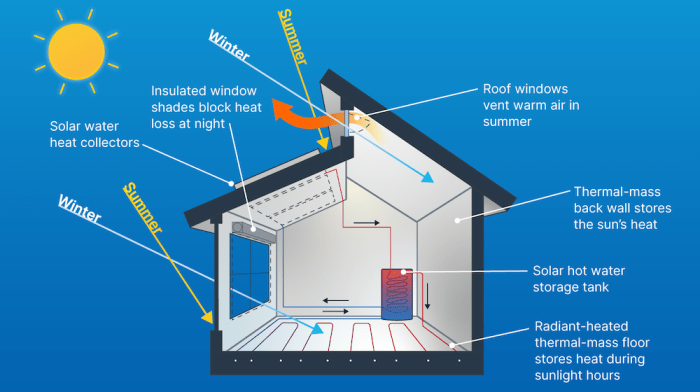
Energy-efficient heating systems play a crucial role in enhancing the overall comfort and functionality of a home. When combined with other home improvement projects, such as kitchen renovations or bathroom upgrades, they can significantly improve the quality of living spaces.
Heating systems are essential in creating a comfortable living space by maintaining an optimal temperature throughout the home. They provide warmth during cold seasons and ensure a cozy environment for residents and guests alike.
Integration of Heating Systems with Furniture
- Consider placing furniture strategically around heating vents to maximize the distribution of warm air.
- Opt for furniture with materials that can absorb and retain heat, such as upholstered sofas and chairs.
- Choose furniture pieces that complement the aesthetics of the heating system, whether it’s a modern fireplace or a sleek radiator.
Tips for Choosing Furniture for Energy-efficient Heating Systems
- Look for furniture pieces with adjustable height or legs to allow for proper airflow around radiators or baseboard heaters.
- Opt for furniture with built-in storage solutions to minimize clutter around heating units and maintain a streamlined look.
- Select furniture in colors and textures that harmonize with the heating system, creating a cohesive and visually appealing space.
Flooring
When it comes to flooring choices, energy-efficient heating systems can play a significant role in both the comfort and maintenance of your floors. Proper heating is essential for preserving the integrity of different types of flooring materials, ensuring longevity and preventing damage.
Impact of Energy-Efficient Heating Systems on Flooring
- Energy-efficient heating systems distribute heat evenly across the floors, reducing the risk of temperature fluctuations that can damage certain flooring materials.
- These systems help maintain a consistent temperature throughout the home, which is beneficial for flooring longevity and stability.
Flooring Materials for Energy-Efficient Heating Systems
- Tile: Ceramic and porcelain tiles are excellent choices for homes with energy-efficient heating systems, as they conduct heat efficiently and are durable.
- Hardwood: Engineered hardwood is a popular option that works well with radiant heating, providing warmth and a classic look.
- Laminate: Laminate flooring is compatible with underfloor heating and offers a cost-effective alternative to hardwood.
Tips for Optimizing Heating Efficiency Based on Flooring
- Ensure proper insulation under the flooring to maximize heat retention and distribution.
- Avoid covering vents or radiators with rugs or furniture to allow heat to flow freely.
- Use area rugs in high-traffic areas to add warmth and protect the flooring from wear and tear.
Furniture
When it comes to selecting furniture for your home, considering your heating system is crucial. The type of furniture you choose and how you arrange it can have a significant impact on the efficiency of your heating system.
Importance of Considering Heating Systems
When selecting furniture, it is important to consider how it can either help or hinder the performance of your heating system. For example, large, bulky furniture pieces placed in front of radiators can block the heat from circulating properly, leading to inefficient heating and wasted energy.
Furniture Placement and Efficiency
Proper furniture placement is key to maximizing the efficiency of your heating system. By ensuring that furniture is not blocking vents or radiators, you can allow heat to flow freely throughout the room, keeping it warm and comfortable.
Furniture Designs for Energy Efficiency
- Choose furniture with legs to allow heat to circulate underneath and around the piece.
- Opt for modular furniture that can be easily rearranged to accommodate different heating needs throughout the year.
- Select furniture made from materials that retain heat, such as wood or upholstered pieces.
Tips for Arranging Furniture
- Avoid placing large furniture pieces in front of radiators or heating vents.
- Arrange furniture in a way that allows for proper air circulation around the room.
- Use area rugs to help insulate the floor and prevent heat loss.
- Consider using furniture to create zones within a room, allowing you to heat only the areas you are using.
Green Living
Energy-efficient heating systems play a crucial role in promoting green living by reducing energy consumption and minimizing environmental impact. These systems align with the principles of sustainability and eco-friendliness, making them a preferred choice for environmentally conscious individuals.
Impact on Sustainability
Energy-efficient heating systems significantly contribute to sustainability by conserving energy resources and reducing greenhouse gas emissions. By using less energy to operate, these systems help decrease the overall carbon footprint of a household, leading to a healthier environment for future generations.
Combining Green Living Practices
- Implementing proper insulation in conjunction with energy-efficient heating systems can further enhance energy savings and reduce heat loss.
- Utilizing programmable thermostats to optimize heating schedules and temperatures according to daily routines can maximize efficiency.
- Exploring renewable energy sources like solar panels to power heating systems can create a completely sustainable heating solution.
Contribution to Green Lifestyle
- Energy-efficient heating systems promote a greener lifestyle by encouraging responsible energy consumption habits and reducing waste.
- By investing in these systems, individuals actively participate in environmental conservation efforts and contribute to a more sustainable future.
- The long-term cost savings associated with energy-efficient heating systems also align with frugal and eco-conscious living practices.
Interior Design and Decorating
Heating systems play a crucial role in interior design choices as they not only provide comfort but also impact the overall aesthetics of a space. Integrating heating systems seamlessly into interior decor is essential to maintain a cohesive and visually appealing design scheme. Here are some tips for selecting heating systems that enhance the aesthetic of interior design:
Innovative Integration of Heating Systems
- Opt for modern radiators that double up as stylish design elements, such as sleek vertical panels or mirrored finishes.
- Consider underfloor heating for a seamless look without the need for visible radiators, creating a clean and minimalist design.
- Choose a fireplace as a focal point in the room, combining functionality with a cozy and inviting atmosphere.
Bath and Shower
Energy-efficient heating systems play a crucial role in providing comfort during baths and showers by ensuring a consistent and optimal temperature in the bathroom. This not only enhances the overall experience but also helps in conserving energy and reducing utility costs.
Heating systems have a direct impact on the water temperature and usage in bathrooms. Properly functioning systems can maintain the desired temperature of the water, while inefficient systems may lead to fluctuations or inadequate heating, resulting in discomfort during baths and showers.
Optimizing Heating Systems for Efficient Bath and Shower Experiences
- Install a programmable thermostat to regulate the temperature according to your bathing schedule, ensuring the water is heated only when needed.
- Consider installing radiant floor heating or heated towel racks to add extra warmth to the bathroom space.
- Regular maintenance of heating systems is crucial to ensure optimal performance and efficiency, preventing any issues that may affect the comfort of bath and shower experiences.
- Utilize zoning systems to control the heating in specific areas of the bathroom, allowing for personalized comfort levels during baths and showers.
Tailoring Heating Systems for Bath and Shower Areas
- Invest in a tankless water heater to provide instant hot water for baths and showers, reducing energy waste from heating and storing water in a traditional tank.
- Consider incorporating smart technology into your heating system to remotely control the temperature and timing of water heating, optimizing energy usage.
- Explore the option of installing solar water heating systems to harness renewable energy for heating water, reducing reliance on traditional energy sources.
- Upgrade to energy-efficient showerheads and faucets to further enhance water conservation and reduce energy consumption during baths and showers.
House Plans
When creating house plans, it is essential to consider energy-efficient heating systems to ensure long-term cost savings and environmental benefits. The placement of heating systems can significantly impact the overall design and functionality of a house, making it crucial for architects and homeowners to integrate these systems effectively. Here are some tips and examples to help prioritize energy-efficient heating solutions in house plans:
Importance of Energy-Efficient Heating Systems
- Energy-efficient heating systems reduce energy consumption and lower utility bills, providing cost savings in the long run.
- These systems contribute to a more sustainable and environmentally-friendly home, reducing carbon emissions and overall energy usage.
- Proper placement of heating systems in house plans can optimize heating distribution, ensuring consistent warmth throughout the house.
Tips for Integrating Heating Systems into House Plans Effectively
- Consider the orientation of the house and maximize natural sunlight to reduce the workload on heating systems.
- Choose energy-efficient heating systems that align with the house’s size, layout, and insulation levels to maximize efficiency.
- Work with experienced heating professionals to determine the most effective placement of heating systems within the house plan.
Examples of House Plans with Energy-Efficient Heating Solutions
- A modern eco-friendly house design that incorporates solar panels for heating and utilizes radiant floor heating for efficient warmth distribution.
- A passive solar house plan that maximizes natural heat gain through strategic window placement and thermal mass materials for heat retention.
- An energy-efficient tiny house design with a compact yet powerful heating system that minimizes energy waste and maintains a comfortable indoor temperature.
Feng Shui
Feng Shui is an ancient Chinese practice that focuses on creating harmony and balance in living spaces by optimizing the flow of energy, or “chi.” Energy-efficient heating systems can align perfectly with the principles of Feng Shui, as they contribute to a comfortable and balanced environment while promoting energy conservation.
Alignment with Feng Shui Principles
Energy-efficient heating systems play a crucial role in maintaining the proper flow of energy within a space according to Feng Shui. By providing consistent and optimal warmth, these systems help circulate positive energy throughout the room, enhancing the overall harmony and balance of the environment.
- Positioning: When incorporating energy-efficient heating systems in your home, consider the placement of radiators or vents to ensure that the heat is evenly distributed. Proper positioning can help maintain a harmonious flow of energy and prevent stagnant chi in certain areas.
- Temperature Control: Maintaining a comfortable temperature in each room is essential for promoting positive energy flow. Energy-efficient heating systems allow for precise temperature control, ensuring that the warmth is balanced and consistent throughout the space.
- Aesthetics: Choose heating systems that blend seamlessly with the decor and layout of your home to maintain a visually appealing and harmonious environment. Opt for sleek and modern designs that complement the overall Feng Shui principles of balance and harmony.
Enhancing Balance and Harmony
Energy-efficient heating systems can significantly enhance the balance and harmony of a space based on Feng Shui principles. For example, by incorporating underfloor heating, you can create a sense of warmth and comfort from the ground up, promoting a harmonious flow of energy throughout the room. Additionally, using programmable thermostats can help regulate temperatures effectively, ensuring a balanced and comfortable environment in alignment with Feng Shui principles.
Heating and Air Conditioning
Energy-efficient heating systems offer several advantages over traditional heating and air conditioning units. These benefits include lower energy consumption, reduced utility bills, and a smaller carbon footprint. In contrast, traditional systems tend to be less efficient, leading to higher energy costs and environmental impact.
Proper Insulation for Efficiency
Proper insulation plays a crucial role in maximizing the efficiency of heating and air conditioning systems. By sealing off any gaps or leaks in the home, insulation helps maintain a consistent temperature indoors. This reduces the workload on the heating and air conditioning units, leading to lower energy consumption and improved overall efficiency.
Tips for Maintenance
- Regularly clean or replace air filters to ensure optimal airflow and efficiency.
- Schedule annual maintenance checks with a professional to keep systems running smoothly.
- Use a programmable thermostat to adjust temperatures based on your schedule and save energy.
- Seal ducts and windows to prevent air leaks and improve efficiency.
Integrated Solutions for Energy Efficiency
Integrated solutions that combine heating and air conditioning systems can further enhance energy efficiency. For example, heat pumps can provide both heating and cooling functions in one unit, reducing the need for separate systems. Additionally, smart thermostats can automatically adjust settings based on occupancy and weather conditions, optimizing energy usage for maximum efficiency.
In conclusion, energy-efficient heating systems offer a blend of comfort, efficiency, and sustainability for modern living. With a focus on reducing carbon footprint and maximizing energy savings, these systems pave the way for a more eco-friendly and cost-effective approach to heating.
Helpful Answers
What are the key benefits of energy-efficient heating systems?
Energy-efficient heating systems not only provide cost savings but also reduce environmental impact by lowering carbon emissions.
How do energy-efficient heating systems contribute to reducing carbon footprint?
By using energy more efficiently, these systems minimize energy waste and decrease the overall energy consumption required for heating.
Can energy-efficient heating systems be integrated into existing home setups?
Yes, many energy-efficient heating systems are designed to be retrofitted into existing homes, providing an upgrade without major renovations.


