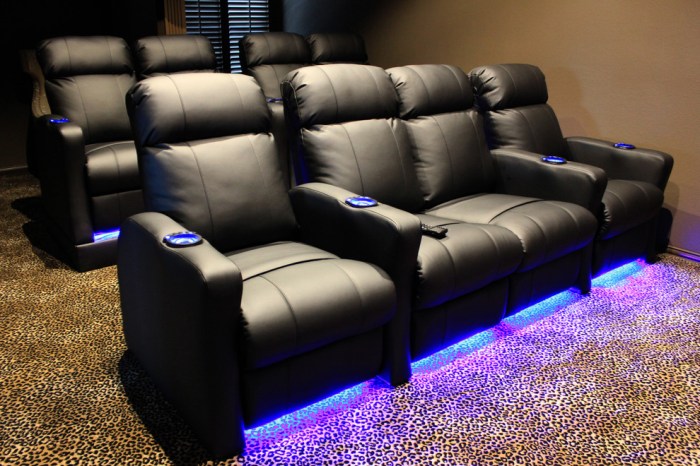
When it comes to creating the perfect home theater experience, the right furniture can make all the difference. From enhancing comfort to optimizing functionality, the choice of furniture plays a crucial role in transforming a regular room into a cinematic haven. Let’s delve into the world of furniture for home theaters and explore how to create a space that combines style and substance for an immersive viewing experience.
Furniture for Home Theaters
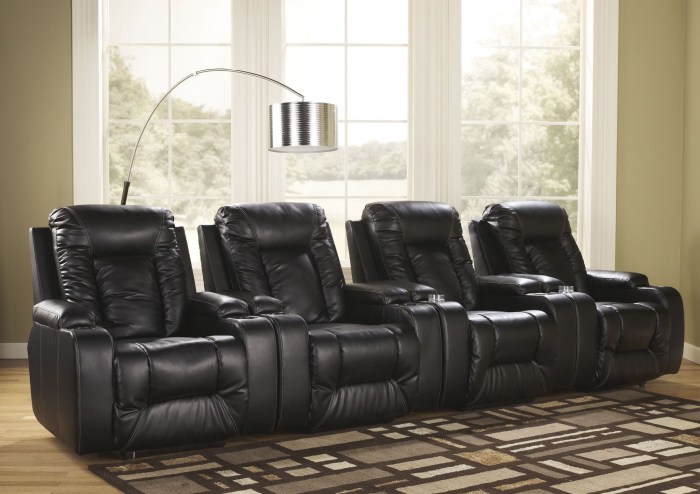
When setting up a home theater, selecting the right furniture is crucial to enhance the overall viewing experience. The right furniture not only adds to the aesthetics of the room but also plays a significant role in comfort and functionality.
Importance of Selecting the Right Furniture
Choosing the appropriate furniture for your home theater is essential as it can greatly impact your comfort during movie nights or gaming sessions. Ergonomic seating options can prevent back pain and ensure a more enjoyable experience.
Impact of Furniture Layout on Viewing Experience
The layout of furniture in a home theater can affect the acoustics and viewing angles. Properly arranged seating can optimize the audio experience and ensure that everyone has a clear view of the screen without any obstructions.
Ideal Furniture Options for Comfort and Functionality
- Reclining chairs or sofas with built-in cup holders and storage compartments for convenience.
- Acoustic panels or soundproofing materials to enhance the audio quality within the room.
- An entertainment center or TV stand with enough storage space for media devices and accessories.
- Adjustable lighting options to set the mood and reduce glare on the screen.
Home Inspections
When it comes to maintaining a safe and functional home, regular inspections play a crucial role in identifying potential issues before they escalate. By conducting thorough home inspections, homeowners can ensure the longevity of their property and the safety of its occupants. Here, we will delve into key areas that should be inspected regularly, the benefits of conducting a thorough home inspection before purchasing a property, and tips on how to prepare for a home inspection to ensure a smooth process.
Key Areas for Inspection
- Roof and Attic: Check for any signs of leaks, damage, or pests.
- Foundation: Look for cracks, moisture issues, or structural concerns.
- Plumbing: Inspect pipes, faucets, and water heaters for leaks or corrosion.
- Electrical System: Ensure all outlets, switches, and wiring are in good condition.
- HVAC System: Test heating and cooling systems to ensure proper functioning.
Benefits of Pre-Purchase Inspection
- Identify Issues: Uncover any hidden problems that may not be visible during a casual viewing.
- Negotiation Power: Use inspection findings to negotiate repairs or a lower price with the seller.
- Peace of Mind: Ensure that the property is safe, structurally sound, and in good condition.
Tips for Preparing for a Home Inspection
- Clean and Declutter: Make sure all areas of the home are accessible for inspection.
- Compile Documentation: Gather maintenance records, warranties, and any relevant paperwork for the inspector.
- Address Minor Repairs: Fix any minor issues like leaky faucets or loose doorknobs before the inspection.
- Be Present: Attend the inspection to ask questions and gain a better understanding of the property.
Kitchen Improvements
Improving the kitchen is a popular trend among homeowners as it can greatly enhance the overall look and feel of a home. A well-designed and stylish kitchen not only adds aesthetic value but also increases the functionality of the space.
Popular Kitchen Improvement Trends
- Open shelving and minimalistic design for a modern look.
- Smart appliances and technology integration for convenience.
- Statement lighting fixtures to add a touch of elegance.
- Use of natural materials like wood and stone for a warm and inviting feel.
Budget-Friendly Kitchen Improvement Projects
- Painting cabinets and changing hardware for a quick refresh.
- Updating backsplash with peel-and-stick tiles for a cost-effective makeover.
- Installing new faucets and fixtures for an instant upgrade.
- Adding a fresh coat of paint to walls for a new look.
Importance of Functional and Stylish Kitchen Design
A well-designed kitchen not only enhances the daily living experience but also adds value to the home. Functional layouts and stylish elements can make the space more appealing to potential buyers, increasing the resale value of the property.
Home Improvement and Furniture
When it comes to home improvement projects, furniture selection plays a crucial role in achieving a cohesive and aesthetically pleasing look. The right furniture choices can transform a space during renovations, enhancing both the functionality and style of the area.
Incorporating Furniture into Home Improvement Plans
One creative way to incorporate furniture into home improvement plans is by selecting pieces that serve dual purposes. For example, opting for a storage ottoman that can also act as extra seating in the living room or choosing a dining table with built-in storage compartments can maximize space efficiency.
- Choose furniture that complements the overall design aesthetic of the room to ensure a cohesive look.
- Consider the scale of the furniture in relation to the size of the room to maintain proper proportions and prevent overcrowding.
- Utilize furniture placement strategically to define different areas within an open-concept space, creating a sense of flow and purpose.
Transforming Spaces with the Right Furniture Choices
The right furniture choices can completely transform a space during home renovations, elevating the overall look and feel of the room. By selecting pieces that are not only stylish but also functional, homeowners can create a space that is both inviting and practical.
- Invest in quality furniture pieces that are built to last, ensuring longevity and durability in the home.
- Experiment with different furniture styles and materials to add visual interest and personality to the space.
- Use furniture as focal points in a room to draw attention and create a sense of balance and harmony.
Flooring
When it comes to flooring options for home theaters, it is essential to consider both acoustics and aesthetics. The right flooring can enhance the sound quality of your home theater while also adding to the overall look and feel of the space.
Types of Flooring
- Carpet: Carpet is a popular choice for home theaters due to its sound-absorbing properties. It helps reduce sound reflections and echoes, creating a more immersive viewing experience. However, carpet requires regular vacuuming and deep cleaning to maintain its appearance and keep it free from dust and allergens.
- Hardwood: Hardwood floors are a stylish and durable option for home theaters. While they do not provide as much sound insulation as carpet, they can still contribute to a warm and inviting atmosphere. Hardwood floors are relatively easy to clean and maintain, but they may require occasional resealing or refinishing to keep them looking their best.
- Laminate: Laminate flooring offers the look of hardwood at a more affordable price point. It is easy to clean and resistant to stains and scratches, making it a practical choice for high-traffic areas like home theaters. However, laminate does not offer the same level of sound absorption as carpet or hardwood.
- Tile: Tile flooring is a durable and low-maintenance option for home theaters. It is resistant to moisture and easy to clean, making it ideal for spills and accidents. While tile is not known for its sound-absorbing qualities, area rugs can be added to improve acoustics in the space.
Choosing the Best Flooring
- Consider the acoustics: If sound quality is a top priority, opt for carpet or area rugs to minimize sound reflections and echoes in your home theater.
- Think about maintenance: Choose a flooring material that fits your lifestyle and maintenance preferences. Carpet may require more upkeep than hardwood or tile, so consider how much time and effort you are willing to invest in cleaning and maintenance.
- Personal preference: Ultimately, the best flooring for your home theater will depend on your individual tastes and needs. Consider the overall design aesthetic you want to achieve and select a flooring option that complements the look and feel of the space.
Green Living
Choosing eco-friendly furniture for home theaters not only enhances the aesthetics of your space but also contributes to sustainable living practices. By opting for environmentally friendly materials, you are reducing your carbon footprint and supporting the conservation of natural resources.
Benefits of Green Design in Home Theater Setups
- Improved Indoor Air Quality: Eco-friendly furniture is often made with non-toxic materials, which can help maintain a healthier indoor environment.
- Energy Efficiency: Sustainable furniture designs can also incorporate features that promote energy efficiency, such as using recycled materials or maximizing natural light sources.
- Reduced Waste: Choosing furniture that is produced using sustainable practices helps minimize waste generation and supports recycling efforts.
Examples of Environmentally Friendly Materials
- Bamboo: A fast-growing and renewable resource that is commonly used in furniture production for its sustainability.
- Recycled Wood: Furniture made from recycled wood helps reduce deforestation and promotes the reuse of materials.
- Organic Fabrics: Upholstery made from organic cotton or hemp reduces the use of harmful chemicals in manufacturing processes.
Interior Design and Decorating
When it comes to creating the perfect home theater experience, interior design and decorating play a crucial role. The right design choices can enhance the overall ambiance and make your space more inviting and enjoyable for movie nights or gaming sessions.
Significance of Cohesive Decor
Having a cohesive decor in your home theater is essential for creating a visually appealing space. By choosing furniture, colors, and accessories that complement each other, you can achieve a harmonious look that enhances the overall viewing experience.
Tips for Balancing Functionality and Aesthetics
- Choose comfortable seating options that also fit the style of your home theater.
- Consider installing dimmable lighting to create the perfect ambiance for different types of media.
- Opt for acoustically-friendly materials and textures to improve sound quality in the room.
- Add personal touches with decor items like movie posters or themed accents to reflect your interests.
Bath and Shower
When it comes to creating a spa-like experience at home, the bathroom plays a crucial role. The right furniture can transform your bath and shower area into a relaxing oasis where you can unwind after a long day.To achieve this tranquil ambiance, consider incorporating furniture pieces that are not only stylish but also functional and durable. Water-resistant materials such as teak, bamboo, or marine-grade stainless steel are ideal for bath and shower furniture as they can withstand moisture and humidity without compromising on aesthetics.
Latest Trends in Bathroom Furniture
- Freestanding bathtubs: Creating a focal point in the bathroom, freestanding bathtubs are a popular choice for a luxurious spa-like feel.
- Vanity cabinets with integrated sinks: Maximizing storage space while maintaining a sleek look, vanity cabinets with integrated sinks are practical and stylish.
- Smart mirrors: Equipped with features like LED lighting, anti-fog technology, and Bluetooth connectivity, smart mirrors add a modern touch to the bathroom.
Selecting Durable and Water-Resistant Furniture
- Choose materials like teak, bamboo, or marine-grade stainless steel for their water-resistant properties.
- Opt for furniture with proper sealing and finishes to prevent water damage and mold growth.
- Consider the maintenance requirements of the furniture to ensure longevity in a damp environment.
Innovative Storage Solutions for Bathrooms
- Wall-mounted shelves and cabinets: Utilize vertical space to keep essentials within reach without cluttering the floor.
- Over-the-toilet storage: Maximize space above the toilet for storing towels, toiletries, and other bathroom necessities.
- Built-in niches and alcoves: Create hidden storage areas within the shower or bath enclosure for a seamless look.
House Plans
When designing a house, considering furniture placement is crucial to ensure a functional and aesthetically pleasing layout. The architectural layout of a home greatly influences the choice of furniture for different rooms, including home theaters. It is essential to select furniture that complements the floor plan to create a harmonious living space.
Importance of Furniture Placement in House Plans
Proper furniture placement in house plans can enhance the flow of the space, optimize functionality, and create a balanced and inviting atmosphere. It is important to consider the size and shape of rooms, traffic flow, natural light sources, and focal points when determining the placement of furniture.
Influence of House Plans on Furniture Selection
The layout of a home as per the house plans can dictate the size, style, and placement of furniture in different rooms. For example, a compact living room in an open floor plan may require space-saving furniture to maximize seating options without overcrowding the area. Similarly, a dedicated home theater room may call for specialized seating arrangements and entertainment units based on the available space.
Tips for Selecting Furniture Based on Floor Plan
- Consider the scale of furniture in relation to the room size to ensure a proportional and balanced look.
- Take note of architectural features such as windows, doors, and built-in elements when choosing furniture to complement the overall design.
- Opt for versatile pieces that can adapt to different layouts or configurations to accommodate changes in the future.
- Experiment with different furniture arrangements to find the most functional and visually pleasing setup based on the house plans.
Feng Shui
When it comes to creating a harmonious and balanced environment in your home theater, incorporating the principles of Feng Shui can make a significant difference. By following Feng Shui guidelines for furniture placement, you can enhance the overall energy flow in the space, promoting a more positive and relaxing atmosphere.
Furniture Placement
One of the key aspects of Feng Shui in home theaters is the proper placement of furniture. Here are some tips to help you optimize the energy flow in your space:
- Avoid placing furniture directly in front of the entrance or blocking the pathway to the screen, as this can disrupt the flow of energy.
- Position seating arrangements in a way that allows for easy conversation and interaction while watching movies, creating a sense of unity and connection.
- Ensure that there is a clear line of sight to the screen from all seating areas to promote balance and harmony in the room.
Furniture Selection
When selecting furniture for your home theater, consider the following Feng Shui principles to enhance the positive energy flow:
- Choose furniture with rounded edges and gentle curves to promote a sense of softness and relaxation in the space.
- Opt for pieces made from natural materials like wood or bamboo to create a grounding effect and connect with the earth element.
- Avoid clutter and overcrowding in the room by selecting furniture that is proportional to the size of the space, allowing for easy movement and flow of energy.
Heating and Air Conditioning
Proper heating and air conditioning play a crucial role in enhancing the comfort of a home theater. Maintaining optimal temperature levels is essential for creating an enjoyable viewing experience for you and your guests. In addition to ensuring comfort, the right heating and cooling solutions can also complement the furniture and design of your home theater, enhancing the overall aesthetic appeal.
Choosing the Right Heating and Cooling Solutions
When selecting heating and cooling solutions for your home theater, it’s important to consider factors such as the size of the room, insulation, and the layout of the space. Here are some tips to help you choose the right heating and air conditioning options that will work best for your home theater:
- Opt for a ductless mini-split system: These systems are ideal for home theaters as they offer precise temperature control and are energy-efficient. They also operate quietly, ensuring that the sound quality of your viewing experience is not compromised.
- Consider a smart thermostat: Investing in a smart thermostat allows you to control the temperature of your home theater remotely, ensuring that it’s always at the optimal level when you’re ready to watch a movie.
- Ensure proper ventilation: Good air circulation is essential for maintaining a comfortable environment in your home theater. Make sure to have adequate ventilation to prevent the buildup of stale air and maintain a fresh atmosphere.
- Integrate heating and cooling seamlessly: Choose heating and air conditioning solutions that blend seamlessly with the design of your home theater. Opt for sleek, modern units that complement your furniture and decor, creating a cohesive and stylish look.
In conclusion, the selection of furniture for home theaters is not just about aesthetics but also about creating a space that caters to comfort and functionality. By choosing the right pieces that complement your viewing experience, you can elevate your home theater to new heights of luxury and enjoyment. Dive into the world of furniture for home theaters and design a space that truly reflects your cinematic vision.
Top FAQs
How important is furniture selection for a home theater?
Choosing the right furniture is essential for creating a comfortable and functional home theater space. It can significantly impact the overall viewing experience.
What are the ideal furniture options for maximizing comfort in a home theater?
Reclining chairs, sectional sofas, and plush ottomans are popular choices for maximizing comfort in a home theater setting.
How can furniture layout affect the overall viewing experience in a home theater?
The layout of furniture can impact sightlines, sound quality, and overall comfort in a home theater. Proper arrangement is key to a seamless viewing experience.


