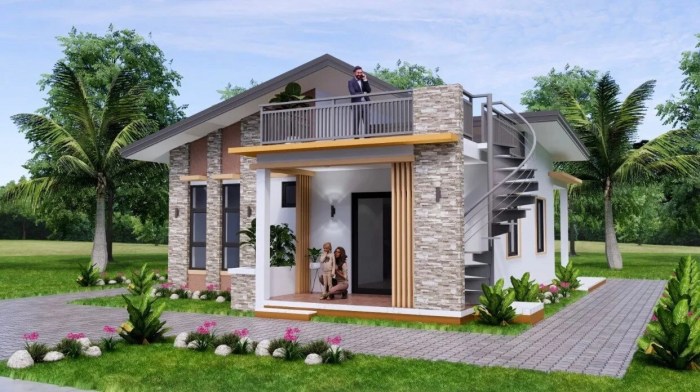
Embark on a journey through the world of small house plans for families, exploring the perfect blend of practicality and comfort for modern living.
Discover the innovative designs and smart solutions that cater to the needs of families looking to maximize space without compromising on style.
Small House Plans for Families
When it comes to small house plans for families, there are key features that make them suitable for accommodating the needs of a household. These features include efficient use of space, smart layout designs, and a focus on creating multifunctional areas within the home.
Importance of Multifunctional Spaces
Multifunctional spaces are crucial in small house designs as they allow for flexibility and versatility in how the space is utilized. For families, this means having areas that can serve multiple purposes such as a home office that can also be used as a guest room, or a dining area that can transform into a play area for children.
Examples of Family-oriented Small House Plans
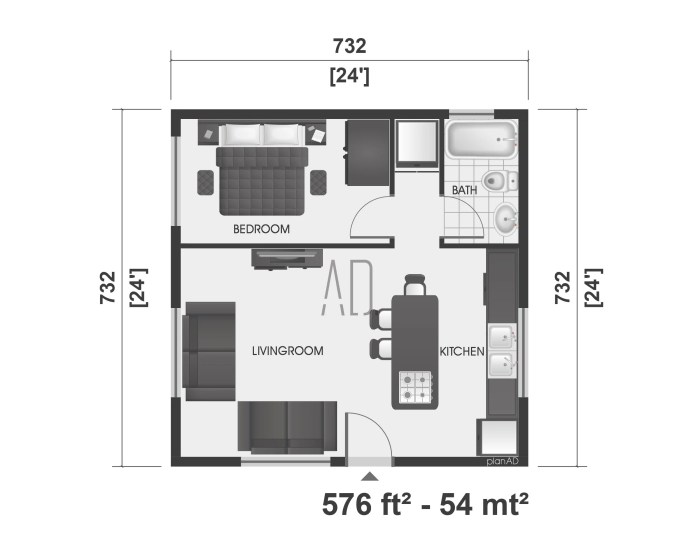
One example of a small house plan that prioritizes family living is a design that includes an open concept layout, where the kitchen, dining, and living areas flow seamlessly together. This promotes interaction and connectivity among family members, fostering a sense of togetherness.
Integration of Storage Solutions
In small house designs, integrating storage solutions is essential to maximize space and keep the home organized. This can include built-in cabinets, hidden storage compartments, and furniture pieces that serve a dual purpose, such as a storage ottoman or a bed with drawers underneath.
Home Inspections
Regular home inspections are essential for maintaining a safe living environment for you and your family. By conducting routine checks, you can identify any potential issues early on and address them before they become major problems.
Areas to Inspect Regularly
- Electrical systems: Check for any exposed wires, faulty outlets, or outdated wiring that may pose a fire hazard.
- Plumbing: Look for leaks, clogs, or signs of water damage that could lead to mold or structural issues.
- Roof and attic: Inspect for missing shingles, water stains, or signs of pests that could compromise the integrity of your home.
- HVAC system: Ensure that your heating and cooling systems are functioning properly and efficiently to maintain a comfortable indoor environment.
- Foundation and structure: Check for cracks, settlement, or other issues that could affect the stability of your home.
Tips for DIY Home Inspection
- Start with a checklist: Create a list of areas to inspect and systematically go through each one.
- Use proper tools: Have a flashlight, screwdriver, and other basic tools handy to help you inspect hard-to-reach areas.
- Take notes: Document any findings or areas that may need further attention for future reference.
- Research: Educate yourself on common home issues and how to identify them to conduct a thorough inspection.
Benefits of Hiring a Professional
- Expertise: Professionals have the knowledge and experience to identify hidden issues that may not be apparent to the untrained eye.
- Comprehensive inspection: A professional can conduct a thorough examination of your home, including areas that may be difficult for you to access.
- Potential cost savings: By catching problems early on, you can avoid costly repairs down the line that could have been prevented with regular inspections.
Kitchen Improvements
Improving the functionality of a small kitchen is essential for families looking to optimize space and enhance their cooking experience. From layout adjustments to budget-friendly tips, there are several ways to make your small kitchen more efficient and visually appealing.
Optimizing Kitchen Layout
When it comes to small kitchen spaces, the layout plays a crucial role in maximizing functionality. Consider implementing the following layout ideas to optimize space:
- Rearrange appliances for better flow and accessibility.
- Utilize vertical storage with shelves or hanging racks.
- Invest in multi-functional furniture like a kitchen island with storage.
- Use light-colored cabinets and countertops to create an illusion of a larger space.
Budget-Friendly Tips
Improving your small kitchen doesn’t have to break the bank. Here are some budget-friendly tips for families on a tight budget:
- Paint cabinets or walls with a fresh coat of paint for a quick and affordable transformation.
- Upgrade cabinet hardware for a modern and stylish look.
- DIY projects like installing a backsplash or adding under-cabinet lighting can make a big impact without spending a fortune.
- Shop for used or discounted appliances to save money while still getting quality items.
Enhancing Lighting Design
Proper lighting can make a small kitchen feel brighter and more spacious. Consider the following lighting tips to enhance your kitchen’s design:
- Install under-cabinet lighting to illuminate countertops and create a warm ambiance.
- Opt for LED bulbs to save energy and reduce electricity costs.
- Add pendant lights above the kitchen island or dining area for a stylish touch.
- Maximize natural light by keeping windows clear of obstructions and using sheer curtains to let light in.
Home Improvement and Furniture
When it comes to small house design, the choice of furniture plays a crucial role in maximizing space and enhancing the overall aesthetic of the home. The right furniture can complement the design of the house, provide functionality, and create a sense of harmony in the space.
Choosing Furniture for Small House Design
- Opt for multi-functional furniture pieces such as sofa beds, storage ottomans, or extendable dining tables to save space and serve multiple purposes.
- Consider the scale and proportion of furniture to ensure it fits well in the small space without overwhelming it.
- Choose furniture with clean lines and a minimalist design to create a sense of openness and airiness in the room.
- Select furniture with built-in storage solutions to help reduce clutter and keep the space organized.
Impact of Furniture Placement on Small House Flow
- Place furniture strategically to create distinct zones within the small house, such as a living area, dining area, and workspace, while maintaining a sense of openness.
- Avoid blocking pathways and ensure there is enough space to move around freely without obstacles.
- Use furniture placement to define areas and create visual interest, while maintaining a cohesive design throughout the house.
Space-Saving Furniture Examples
- Foldable wall desks that can be tucked away when not in use to save space.
- Bunk beds with built-in storage drawers for children’s rooms to maximize space efficiency.
- Nesting tables that can be stacked together when not in use to free up floor space.
- Hanging shelves or wall-mounted storage units to utilize vertical space and keep the floor area clear.
Flooring
When it comes to choosing flooring materials for small family homes, there are several options to consider. Each type of flooring has its own advantages and can significantly impact the overall look and feel of the space.
Types of Flooring Materials
- Hardwood: Hardwood floors are durable and add a timeless elegance to any space. They are easy to clean and maintain, making them a popular choice for family homes.
- Laminate: Laminate flooring is a cost-effective alternative to hardwood, offering a similar look without the high price tag. It is also easy to clean and comes in a variety of styles.
- Tile: Tile flooring is a versatile option that is both durable and easy to clean. It is perfect for high-traffic areas like kitchens and bathrooms.
- Carpet: Carpet is a cozy choice for bedrooms and living areas, providing warmth and comfort underfoot. However, it may require more maintenance than other types of flooring.
- Vinyl: Vinyl flooring is affordable, durable, and easy to install. It comes in a wide range of styles, making it a versatile option for family homes.
Significance of Durable and Easy-to-Clean Flooring
Durable and easy-to-clean flooring is essential in family spaces, especially in homes with children and pets. Spills, stains, and heavy foot traffic are common in these areas, so choosing a flooring material that can withstand daily wear and tear is crucial.
Coordinating Flooring Choices with House Design
When selecting flooring for a small family home, it is important to consider how the flooring will complement the overall design of the house. Lighter flooring can make a space feel larger and more open, while darker flooring can add warmth and coziness.
Benefits of Area Rugs
- Area rugs can add warmth and texture to small house interiors, making them feel more inviting and cozy.
- Rugs can also help define different areas within an open floor plan, creating visual interest and separation between spaces.
- In addition to their aesthetic appeal, area rugs can provide a soft and comfortable surface for children to play on, adding a layer of protection to hard flooring materials.
Furniture
When designing small house plans for families, selecting the right furniture is crucial to maximize space and functionality. The scale of furniture plays a significant role in making a small space feel larger and more comfortable. Additionally, choosing furniture pieces with built-in storage solutions can help keep the house organized and clutter-free.
Maximizing Storage with Furniture
- Opt for multi-functional furniture pieces such as storage ottomans, beds with built-in drawers, and nesting tables to save space and reduce clutter.
- Consider utilizing vertical space with tall bookshelves, wall-mounted shelves, and storage cabinets to maximize storage without taking up floor space.
- Choose furniture with hidden storage compartments like coffee tables with lift-up tops or sofas with under-seat storage to keep commonly used items within reach but out of sight.
Creating Illusion of More Space
- Place furniture strategically to create an open flow and maximize natural light. Avoid blocking windows and doorways to maintain a sense of spaciousness.
- Use furniture with exposed legs to create an airy feel and make the room appear larger. Opt for glass or acrylic pieces to maintain a light and transparent look.
- Consider using mirrors to reflect light and create the illusion of depth, making the space feel more expansive and open.
Multipurpose Furniture for Family-Friendly Living
- Invest in a sofa bed or a daybed that can serve as both seating and sleeping space for guests, maximizing functionality in a small living room.
- Choose extendable dining tables or folding chairs that can be easily stored away when not in use to save space in a small dining area.
- Consider a modular shelving system that can be customized to fit different storage needs in various rooms, providing flexibility for changing family requirements.
Green Living
When it comes to sustainable living in small family homes, the focus is on reducing the environmental impact while creating a healthy and eco-friendly living space for the family. Incorporating green elements into small house designs not only benefits the environment but also helps in saving energy and reducing utility costs in the long run.
Eco-Friendly Home Improvement Ideas
There are several eco-friendly home improvement ideas that families can consider for their small homes:
- Installing energy-efficient appliances to reduce electricity consumption.
- Using sustainable materials for construction and renovation projects.
- Implementing proper insulation to conserve energy and maintain a comfortable indoor temperature.
- Setting up a rainwater harvesting system to reduce water wastage.
- Incorporating natural light sources to minimize the need for artificial lighting.
Benefits of Green Elements in Small House Designs
Integrating green elements into small house designs not only promotes a healthier environment but also offers the following benefits:
- Reduced carbon footprint and overall environmental impact.
- Improved indoor air quality and overall well-being of the family members.
- Lower utility bills and long-term cost savings.
- Enhanced aesthetics and value of the property.
Energy-Efficient Practices for Families
For families living in small homes, adopting energy-efficient practices can make a significant difference in reducing energy consumption and promoting a sustainable lifestyle. Here are some tips:
- Unplug electronic devices when not in use to prevent energy wastage.
- Use programmable thermostats to regulate heating and cooling systems efficiently.
- Switch to LED or CFL light bulbs for better energy efficiency.
- Seal gaps and cracks in windows and doors to prevent heat loss.
- Utilize natural ventilation for cooling during warmer months.
Interior Design and Decorating
Creating a cohesive design theme in a small family home is essential to ensure a harmonious and visually appealing space for all members to enjoy. By selecting the right colors, patterns, and maximizing natural light, you can enhance the ambiance and comfort of your home.
Selecting Colors and Patterns
When choosing colors and patterns for small house interiors, opt for lighter shades to make the space feel more open and airy. Soft pastels, neutral tones, and light hues can help create the illusion of space. Additionally, consider using patterns sparingly to avoid overwhelming the room. Incorporating subtle textures or prints can add interest without making the space feel cluttered.
Role of Natural Light
Natural light plays a crucial role in enhancing the ambiance of small spaces. Maximize natural light by keeping windows unobstructed and using sheer curtains or blinds that allow sunlight to filter through. Mirrors can also help reflect light and make the room appear larger. Consider placing reflective surfaces strategically to bounce light around the room and create a brighter, more inviting atmosphere.
Decorating Small Family Living Areas
To maximize comfort in small family living areas, opt for multifunctional furniture pieces that serve more than one purpose. Choose furniture with hidden storage compartments or that can be easily folded or rearranged to adapt to different activities. Utilize vertical space for storage and decor to free up floor space. Incorporate cozy textiles like throw pillows, rugs, and curtains to add warmth and comfort to the room.
Bath and Shower
When it comes to small bathroom designs in family homes, maximizing space is crucial. Here are some space-saving solutions and tips for creating a functional and stylish bathroom layout for families.
- Optimizing Storage: Utilize vertical space with wall-mounted shelves or cabinets to store towels, toiletries, and other essentials. Consider installing a vanity with built-in storage to keep the countertops clutter-free.
- Walk-in Showers: Walk-in showers are a great option for small bathrooms as they save space and provide easy access, especially for families with children or elderly members. Choose a sleek glass enclosure to visually expand the space.
- Compact Bathtubs: If your family enjoys soaking in a bathtub, opt for a compact tub that fits snugly in the corner or against a wall. This allows you to have the luxury of a bath without sacrificing too much space.
Creating a Functional and Stylish Bathroom Layout
Creating a functional and stylish bathroom layout for families involves careful planning and smart design choices. Here are some tips to achieve the perfect balance:
|
1. Lighting Ensure adequate lighting for tasks like grooming and makeup. Consider installing wall sconces or overhead lights to brighten up the space. |
|
2. Color Scheme Opt for light, neutral colors to visually expand the space and create a clean, airy feel. Add pops of color with accessories like towels or rugs. |
|
3. Mirrors Install a large mirror or multiple mirrors to reflect light and make the room appear larger. Mirrors also add a decorative touch to the bathroom. |
|
4. Accessibility Ensure that the layout allows for easy movement and access to all fixtures. Consider installing grab bars or non-slip flooring for added safety, especially for young children or elderly family members. |
Feng Shui
Feng Shui is an ancient Chinese practice that focuses on creating a harmonious environment by balancing the flow of energy, known as chi, within a space.
When applied to small house plans for families, Feng Shui principles can help improve the overall well-being of the occupants by promoting positive energy and reducing stress.
Principles of Feng Shui in Small House Plans
- Avoid clutter: Keeping the space clean and organized is essential in Feng Shui. Clutter can block the flow of energy and create stagnation.
- Balance elements: Incorporating a balance of elements such as wood, fire, earth, metal, and water can create a harmonious environment in a small space.
- Open space: Ensuring there is enough open space in the house allows for the smooth flow of energy and promotes a sense of spaciousness.
Arranging Furniture and Decor
- Place the bed in the command position: In the bedroom, positioning the bed so that you can see the door while lying down is believed to promote better sleep and overall well-being.
- Avoid sharp corners: Rounded furniture is preferred in Feng Shui as sharp corners are believed to create negative energy. Opt for furniture with curved edges in small spaces.
- Use mirrors strategically: Mirrors can help reflect light and energy in a small space, making it feel more open and inviting. However, avoid placing mirrors directly facing the bed.
Enhancing Family Well-being
- Improving relationships: By following Feng Shui principles, you can create a space that promotes harmony and communication among family members, strengthening relationships.
- Promoting health: A well-balanced and harmonious environment can have a positive impact on the physical and mental health of the family members living in a small house.
- Boosting prosperity: Feng Shui can also be used to attract positive energy related to wealth and abundance, creating a prosperous environment for the family.
Heating and Air Conditioning
When it comes to small family homes, efficiently heating and cooling the space can present some challenges. The limited square footage requires careful consideration when selecting HVAC systems to ensure optimal performance. Proper insulation is also crucial in maintaining a comfortable indoor environment, especially in smaller spaces. Integrating heating and air conditioning solutions seamlessly into small house designs is key to maximizing both comfort and energy efficiency.
Tips for Selecting HVAC Systems
- Consider ductless mini-split systems for small homes as they offer flexible zoning and are energy-efficient.
- Opt for high-efficiency HVAC units to maximize comfort while keeping energy costs low.
- Choose a system with programmable thermostats to regulate temperature based on your family’s schedule and preferences.
Importance of Proper Insulation
Proper insulation plays a crucial role in small house plans by helping to maintain a consistent indoor temperature and reduce energy waste. Investing in quality insulation materials for walls, floors, and ceilings can significantly improve the overall efficiency of your heating and air conditioning systems.
Seamless Integration of Heating and Air Conditioning Solutions
- Opt for space-saving HVAC units that can be installed discreetly to preserve valuable square footage.
- Consider incorporating smart home technology to control heating and cooling remotely and efficiently.
- Utilize ceiling fans to improve air circulation and reduce the workload on your HVAC system.
In conclusion, small house plans for families offer a harmonious balance of functionality and aesthetics, providing a cozy haven for every member of the household.
FAQ Compilation
What are the key features that make small house plans suitable for families?
Small house plans for families typically focus on efficient use of space, versatile layouts, and practical storage solutions to accommodate the needs of a household.
How can storage solutions be integrated into small house designs?
Storage solutions in small house plans often involve maximizing vertical space, incorporating built-in cabinets, and utilizing multifunctional furniture pieces.
Why is lighting important in enhancing a small kitchen’s design?
Proper lighting can make a small kitchen appear larger, improve functionality, and create a welcoming ambiance for family gatherings.


